
The dental industry is undergoing a major digital transformation, and one of the most exciting innovations leading this change is DMLS technology. Short for Direct Metal Laser Sintering, this advanced manufacturing method is revolutionizing how dental restorations are designed and produced.
From crowns and bridges to implant frameworks, DMLS is helping dental labs achieve unmatched precision, strength, and efficiency. In this complete guide, you’ll learn how DMLS works, its benefits, applications, and why it’s shaping the future of modern dentistry.
What Is DMLS Technology?


6
DMLS (Direct Metal Laser Sintering) is an advanced form of 3D printing that uses a high-powered laser to fuse fine metal powder into solid structures—layer by layer.
In dental labs, DMLS is used to create precise metal frameworks for:
- Crowns and bridges
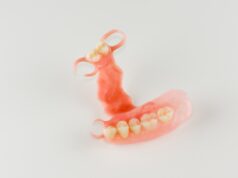
- Partial denture frameworks
- Implant-supported prosthetics
- Orthodontic components
Unlike traditional casting methods, DMLS builds restorations digitally, ensuring superior accuracy and consistency.
How Does DMLS Work?


5
The DMLS process involves several key steps:
1. Digital Design (CAD)
The restoration is designed using computer-aided design software based on a digital scan of the patient’s teeth.
2. Layer-by-Layer Printing
A laser selectively fuses metal powder, building the structure layer by layer.
3. Cooling and Solidification
The printed object cools and solidifies into a strong, dense structure.
4. Post-Processing
The restoration is cleaned, polished, and finished for final use.
This digital workflow eliminates many of the inconsistencies found in traditional methods.
Materials Used in DMLS


6
DMLS uses high-quality biocompatible metals such as:
- Cobalt-Chromium Alloys – Common for crowns and bridges
- Titanium – Ideal for implants and lightweight frameworks
- Nickel-Free Alloys – Suitable for patients with allergies
These materials offer excellent strength, corrosion resistance, and long-term durability.
Advantages of DMLS in Dental Labs


6
1. Exceptional Precision
DMLS produces highly accurate restorations with minimal human error.
2. Strong and Durable
The laser-fused metal structure is dense and resistant to wear.
3. Faster Production
Digital workflows reduce turnaround time compared to traditional casting.
4. Consistent Quality
Every restoration is produced with the same high level of accuracy.
5. Reduced Material Waste
Only the required material is used, making it more efficient.
DMLS vs Traditional Casting
| Feature | DMLS Technology | Traditional Casting |
|---|---|---|
| Accuracy | Very high | Moderate |
| Production | Digital & automated | Manual |
| Strength | High density | May have porosity |
| Turnaround Time | Faster | Slower |
| Consistency | Excellent | Variable |
DMLS clearly outperforms traditional methods in precision and reliability.
Applications of DMLS in Dentistry


7
DMLS is widely used in:
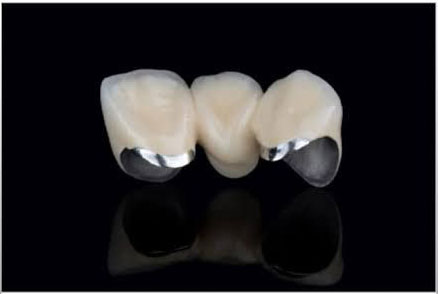
1. Crown and Bridge Frameworks
Strong metal bases for ceramic crowns.
2. Implant Prosthetics
Custom frameworks for implant-supported restorations.
3. Partial Dentures
Lightweight and precise metal structures.
4. Orthodontic Appliances
Custom components for braces and retainers.
Role of Dental Labs in DMLS


6
Dental labs are central to the success of DMLS technology:
- Designing restorations using CAD software
- Operating advanced DMLS machines
- Ensuring quality control and finishing
- Collaborating with dentists for precise outcomes
Labs that adopt DMLS technology offer higher-quality and more reliable restorations.
Limitations of DMLS
While DMLS is highly advanced, it has some challenges:
- High initial investment in equipment
- Requires skilled technicians
- Limited to metal frameworks (not full ceramic restorations)
Despite these, the benefits far outweigh the limitations for most dental labs.
The Future of DMLS in Dentistry


6
DMLS is expected to play an even bigger role in the future of dentistry:
- Integration with artificial intelligence
- Faster and more affordable machines
- Expanded material options
- Fully digital dental workflows
As technology evolves, DMLS will continue to enhance precision, efficiency, and patient outcomes.
Why DMLS Matters for Patients
Although patients may not see the process, DMLS directly benefits them through:
- Better-fitting restorations
- Stronger and longer-lasting dental work
- Faster treatment times
- Improved comfort and function
Final Thoughts
DMLS technology is transforming modern dental labs by bringing precision, strength, and efficiency to a whole new level. By replacing traditional casting methods with advanced digital manufacturing, it ensures consistent, high-quality results for dental restorations.
For patients, this means better outcomes and longer-lasting solutions. For dentists and labs, it represents the future of dental innovation.