

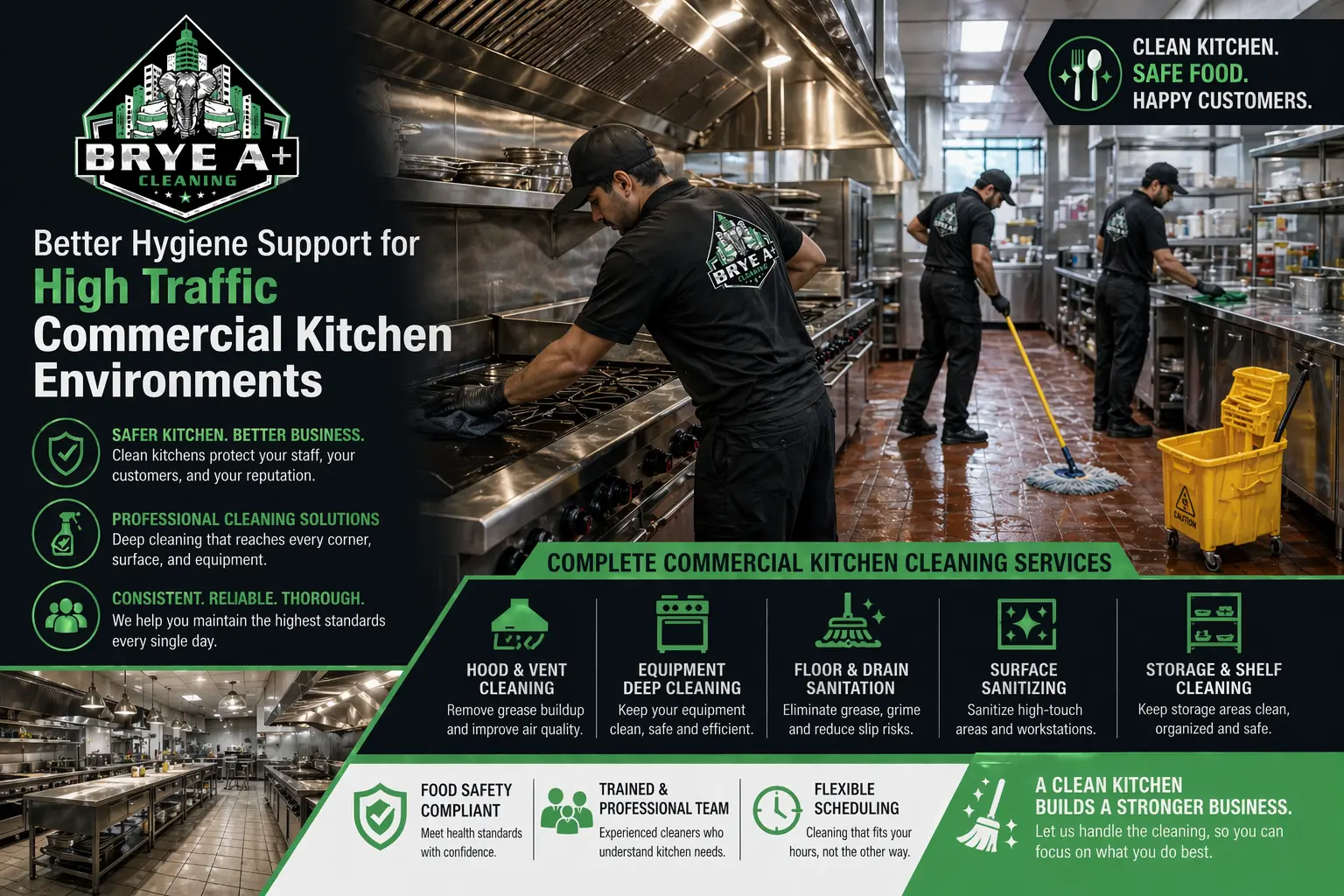
Running a busy kitchen in New York City is never simple. Orders move fast. Staff work under pressure. Equipment stays in use for long hours. Floors get wet. Grease builds up quickly. Prep areas need constant attention. In a city where food service moves all day and late into the night, cleanliness is not something a business can treat as a side task. It is part of daily survival.
This is why commercial kitchen cleaning services matter so much for restaurants, cafés, hotels, catering spaces, ghost kitchens, and food businesses across NYC. A clean kitchen supports food safety, staff comfort, smooth inspections, and a better working environment. It also protects the image of the business. When owners follow proper Kitchen cleaning guidelines, they create a stronger system for daily operations and long term success.
Why hygiene matters so much in a commercial kitchen
A commercial kitchen handles raw ingredients, cooked food, hot equipment, sharp tools, waste, moisture, and constant movement at the same time. That means the environment can become dirty very fast, even when the staff is working hard. In a normal room, dust may collect slowly. In a kitchen, grease, crumbs, splashes, and residue build up within hours.
In NYC, this becomes even more important because kitchens often work at a high pace and in limited space. Many food businesses serve large volumes in small footprints. When the kitchen is not cleaned properly, safety problems can develop quickly. Bad odors can spread. Cross contamination risks can rise. Floors can become slippery. Equipment can collect grease and work less efficiently. This is why hygiene is not just about appearance. It is about keeping the full operation safe and stable.
Food safety
Food safety starts with clean surfaces, clean tools, and clean storage areas. If prep counters, sinks, cutting spaces, or cooking equipment are not cleaned the right way, bacteria can spread from one task to another. This can affect food quality and put customer health at risk.
For food businesses in New York City, this is a serious issue. One mistake can damage trust very quickly. Strong commercial kitchen cleaning services help reduce this risk by supporting a cleaner environment where food handling becomes safer and more controlled.
Daily operations
A kitchen works better when it stays organized and clean. Staff can move more easily. Tools are easier to find. Work areas feel less stressful. It is much easier to prep, cook, and clean when the environment does not feel overloaded by grease, stains, trash buildup, and clutter.
This is one reason proper Kitchen cleaning guidelines are so important. They help keep standards consistent instead of leaving cleaning to guesswork or last minute effort.
Why NYC kitchens face bigger cleaning challenges
New York City kitchens often operate under conditions that make cleaning harder than usual. Many spaces are compact. Many serve customers for long hours. Some work early mornings, while others close very late or never fully stop. This creates more wear on every surface and more buildup in less time.
Restaurants and food businesses in NYC also face strong public expectations. Customers may never see the kitchen directly, but the condition of the kitchen affects the quality of the service they receive. A poorly maintained back-of-house space can easily lead to slower work, weaker sanitation, and higher stress for the staff.
High volume service
In high traffic kitchens, cleaning is harder because the pace never really slows down. Staff is focused on tickets, prep, delivery orders, plating, dishwashing, and resets. During rush hours, there is little time for anything beyond fast wipe downs and basic resets.
That is why commercial kitchen cleaning services are so useful. They help cover the deeper cleaning work that busy teams often cannot handle fully during service hours.
Grease and residue buildup
Cooking grease is one of the biggest problems in any commercial kitchen. It collects on hoods, walls, equipment sides, shelves, filters, and floors. If it is not removed properly, it becomes harder to clean and more dangerous over time.
In NYC kitchens where cooking volume is high, grease buildup happens quickly. Deep cleaning support helps keep these areas under control and reduces long term risk.
What commercial kitchen cleaning really includes
Many people think kitchen cleaning only means mopping floors and wiping counters. In reality, a true commercial kitchen cleaning plan goes much deeper. It includes daily sanitation needs, equipment care, surface treatment, detail cleaning, and support for harder-to-reach areas that staff may miss during routine work.
A proper service is meant to support the whole kitchen environment, not just the parts people see first. This is especially important for food businesses that need to maintain cleanliness over time, not only before an inspection.
Surface cleaning
Prep counters, food contact areas, sinks, backsplashes, shelves, and worktables all need regular and proper cleaning. These are the spaces that directly affect food handling and staff workflow.
Keeping these areas clean supports better food prep and lowers contamination risk. This is one of the most basic but most important parts of Kitchen cleaning guidelines.
Equipment cleaning
Commercial kitchens depend on equipment every day. Ovens, grills, fryers, ranges, prep coolers, and other units collect grease and residue constantly. If these areas are not cleaned well, the equipment can become harder to use, harder to maintain, and less efficient.
Professional commercial kitchen cleaning services help remove this buildup in a more complete way and help protect the working life of the equipment.
Floor and drain attention
Floors in busy kitchens take heavy abuse. Water, oil, food waste, and constant foot traffic all affect surface cleanliness and safety. Drains also need attention because buildup in these areas can cause odors and hygiene problems.
Good kitchen cleaning always includes the floor system, not just the visible prep spaces.
Why guidelines matter more than random cleaning
Some kitchens clean only when the space starts to look bad. Others clean heavily only before inspections or after a problem appears. That approach creates uneven results. It also makes it easier for deeper hygiene issues to grow in the background.
Following clear Kitchen cleaning guidelines creates structure. It helps the team know what should be cleaned, when it should be cleaned, and how often deep cleaning should happen. This makes the kitchen easier to manage and reduces stress over time.
Consistency
A kitchen becomes safer when cleanliness is handled consistently. Random cleaning may improve appearance for a short time, but it does not build a stable system. Guidelines help create repeatable habits that support hygiene every day.
In NYC, where kitchens often run under pressure, this consistency becomes one of the biggest strengths a food business can have.
Accountability
When cleaning is built around a system, it becomes easier to assign responsibility and check standards. Staff knows what is expected. Managers know what to review. Owners can spot weak areas earlier before they become bigger problems.
This is why businesses that invest in commercial kitchen cleaning services often perform better in the long run. The work becomes more organized and more dependable.
Key areas that need deeper attention
Some parts of the kitchen always need more care than others. These areas may not be the first thing someone notices, but they often hold the most buildup. Ignoring them can weaken the full cleaning effort.
Deep cleaning is important because surface cleaning alone is not enough to protect the space over time. A kitchen can look acceptable from the front while still holding major grease and hygiene issues in hidden areas.
Hood and vent areas
Ventilation systems collect grease and smoke residue over time. If these areas are not cleaned properly, they can affect air quality and kitchen safety. They can also make the full kitchen feel heavier and less fresh.
For busy NYC kitchens, keeping these areas clean helps support a safer and better working environment.
Behind and under equipment
These are some of the most missed areas in many kitchens. Crumbs, grease, dirt, and moisture often collect under heavy equipment and behind units that are not moved often. These spaces can become serious problem areas if they are ignored for too long.
This is where professional commercial kitchen cleaning services add real value. They focus on the details that routine staff cleaning may not fully reach.
Storage and shelving
Dry storage, cold storage, and supply shelves need to stay clean and organized. Dust, spills, crumbs, and old product buildup can quickly affect hygiene and make the full kitchen harder to manage.
Following proper Kitchen cleaning guidelines means treating storage areas as active parts of kitchen sanitation, not as secondary spaces.
How professional cleaning helps food businesses in NYC
A busy kitchen team already has a lot to manage. Service pressure, staffing, ordering, prep, food quality, and customer demands all take daily attention. This leaves limited time and energy for true deep cleaning. That is why outside support can be so valuable.
Professional cleaning helps businesses cover the deeper sanitation work that keeps the kitchen stronger over time. It does not replace internal routines. It strengthens them.
Better support for staff
When the kitchen stays cleaner, the staff can focus better on service and prep. They do not have to work around heavy buildup, unsafe floors, or spaces that feel neglected. A cleaner work area usually creates a better working mood and less frustration.
This matters in NYC kitchens where teams often work hard under high speed conditions.
Stronger inspection readiness
Food businesses in New York need to stay ready for health expectations and sanitation checks. A kitchen that follows proper Kitchen cleaning guidelines is usually in a better position to handle these moments with confidence.
That does not mean cleaning only for inspections. It means creating a standard that supports the business every day, including inspection periods.
Better business image
Even though customers may not see the full kitchen, the condition of that space affects everything they do experience. Food quality, timing, smells, staff performance, and confidence all connect back to the kitchen environment.
This is one reason commercial kitchen cleaning services support more than hygiene. They support the full image and reliability of the brand.
Common mistakes kitchens make with cleaning
Many kitchens work hard but still miss important cleaning issues because the process is too rushed, too informal, or too focused on visible mess only. Understanding these mistakes helps owners and managers improve the system.
Only cleaning visible surfaces
A kitchen may look clean at first glance while hidden areas hold serious buildup. Focusing only on what is easy to see leaves too many risks untouched.
Waiting too long for deep cleaning
The longer heavy grease and residue stay in place, the harder they become to remove. Waiting too long increases labor, weakens hygiene, and can create more damage over time.
Treating cleaning as a low priority task
When cleaning is seen as secondary to service, standards drop. In reality, cleaning is part of service quality. A kitchen cannot perform at a high level for long if hygiene is weak behind the scenes.
Building a stronger cleaning routine for long term results
The best kitchen cleaning system is one that fits the pace of the business while still protecting hygiene standards. It should include daily habits, weekly focus areas, and deeper support when needed. The goal is not perfection every minute. The goal is control, consistency, and a cleaner environment over time.
For food businesses in NYC, this often means combining staff routines with outside help from trusted commercial kitchen cleaning services. That combination creates stronger results than relying on one side alone.
Daily control
Daily cleaning helps manage the mess created by active service. It includes wiping, sanitizing, basic floor care, trash handling, and keeping prep spaces under control. This prevents the environment from falling apart during busy periods.
Scheduled deep cleaning
Deep cleaning helps reset the kitchen and remove buildup that routine shifts cannot fully handle. This includes harder areas, heavier residue, and more detailed sanitation work.
Ongoing standards
When the team follows clear Kitchen cleaning guidelines, the kitchen becomes easier to manage over time. Cleanliness becomes part of the culture instead of a task people avoid until the last minute.
Final thoughts
A commercial kitchen in New York City needs more than speed and good food. It also needs strong hygiene support that keeps the environment clean, safe, and ready for daily pressure. In high traffic kitchen spaces, mess builds fast and risks grow quickly if cleaning is not handled with care.
That is why commercial kitchen cleaning services are such an important part of restaurant and food business success. They help remove deep buildup, support food safety, improve working conditions, and strengthen long term standards. When those services are paired with clear Kitchen cleaning guidelines, businesses can protect both their operations and their reputation.
A cleaner kitchen does not only look better. It works better, feels better, and supports stronger results across the full business.
FAQs
Why are commercial kitchen cleaning services important in NYC
NYC kitchens often work at a fast pace and in tight spaces. Professional cleaning helps control grease, residue, and hygiene risks that build up quickly in high traffic food environments.
What are basic kitchen cleaning guidelines for food businesses
They include regular surface sanitation, equipment cleaning, floor care, storage cleanliness, waste control, and scheduled deep cleaning for hard-to-reach areas and heavy buildup.
How often should a commercial kitchen be deep cleaned
That depends on volume and kitchen type, but busy kitchens usually need regular deep cleaning support to manage grease, residue, and hidden buildup beyond daily staff routines.
Can a cleaner kitchen improve business performance
Yes. A cleaner kitchen supports food safety, smoother staff workflow, better inspection readiness, and a stronger business image for customers and management alike