
Maintaining good oral hygiene is essential for healthy teeth and gums. Regular brushing and flossing help remove food particles and bacteria, but plaque can still build up over time. When plaque hardens into tartar, it becomes difficult to remove with normal home care. Dental professionals now use advanced technology to make the cleaning process easier and more comfortable. One of these modern solutions is laser dental cleaning, which offers a precise and gentle way to remove plaque and maintain oral health.
Laser dental cleaning is becoming increasingly popular because it uses advanced dental technology instead of traditional scraping tools. This method allows dentists to target plaque and bacteria with greater accuracy while reducing discomfort during the cleaning process.
Understanding Laser Dental Cleaning
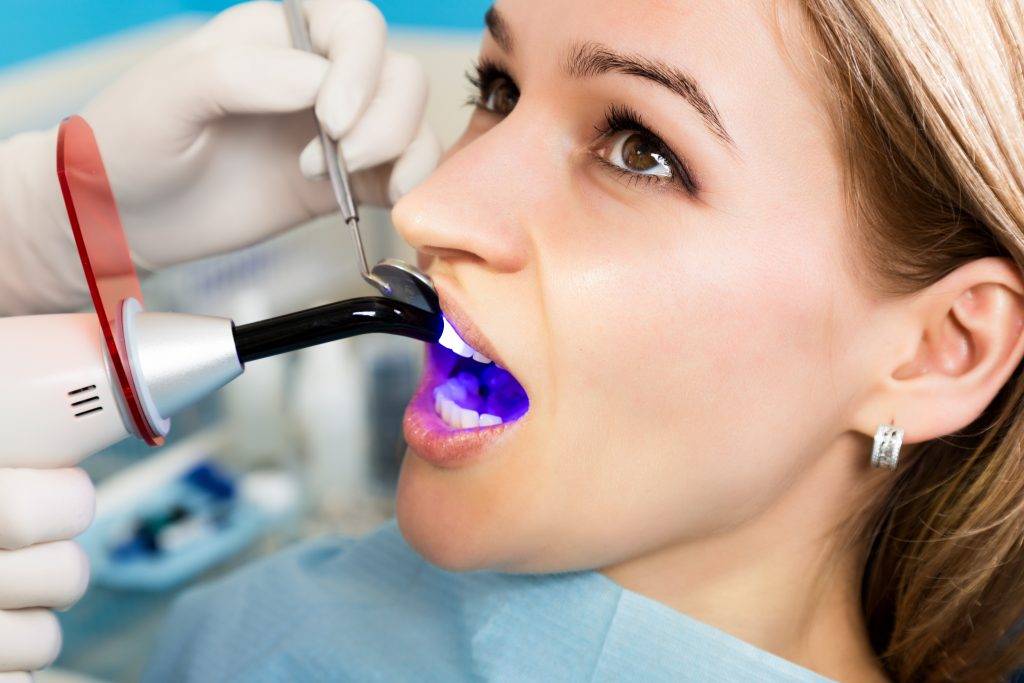
Laser dental cleaning is a procedure that uses focused light energy to remove plaque, tartar, and harmful bacteria from teeth and gums. A dental laser emits a controlled beam that helps break down deposits on the teeth without damaging surrounding tissues. The technology allows dentists to clean areas that may be difficult to reach with traditional dental tools.
Laser dental cleaning offers a modern alternative to traditional dental cleaning methods that often rely on metal instruments to scrape plaque from teeth. This advanced technique uses focused laser technology to remove plaque with precision and minimal pressure. As a result, laser dental cleaning can provide a more comfortable experience for many patients, especially those who have sensitive teeth or gums.
Dentists may combine laser cleaning with traditional polishing techniques to ensure that the teeth are thoroughly cleaned and smooth after the procedure.
How the Procedure Works
The process of laser dental cleaning typically begins with a routine dental examination. The dentist checks the condition of the teeth and gums to determine the level of plaque and tartar buildup. Once the assessment is complete, the laser device is carefully used to target the affected areas.
The laser produces a concentrated beam of light that helps break apart plaque and tartar. At the same time, it can reduce harmful bacteria around the gum line. Because the laser works with high precision, it can remove buildup without causing significant irritation to the gums.
After the laser removes plaque and bacteria, the dentist may polish the teeth to create a smooth surface. This polishing step helps prevent plaque from attaching to the teeth too quickly in the future.
Benefits of Laser Dental Cleaning
One of the main advantages of laser dental cleaning is its ability to provide a more comfortable experience compared to traditional cleaning methods. Many patients report less sensitivity and discomfort during the procedure.
Another benefit is the precision of the laser technology. Dentists can target specific areas without affecting healthy tissue. This makes the procedure especially useful for patients who have gum sensitivity or mild gum disease.
Laser cleaning may also help reduce bacteria in the mouth more effectively. The light energy used during the procedure can eliminate harmful microorganisms that contribute to gum infections and bad breath.
In addition, the procedure often causes less bleeding and swelling. Traditional scraping can sometimes irritate the gums, especially if plaque buildup is heavy. Laser technology minimizes this risk by using controlled energy instead of physical pressure.
Safety and Effectiveness
Laser dental cleaning is considered safe when performed by trained dental professionals. Dentists who use laser technology receive specialized training to ensure that the procedure is carried out correctly and safely.
The equipment used in dental clinics is designed to deliver precise energy levels that effectively remove plaque while protecting the teeth and gums. Patients may also wear protective eyewear during the procedure to shield their eyes from the laser light.
Because the laser can sterilize the treatment area while removing plaque, it may also support faster healing for the gums.
Who Can Benefit from Laser Dental Cleaning
Many people can benefit from this modern dental cleaning method. It is particularly helpful for individuals who experience discomfort during traditional cleanings or who have sensitive gums.
Patients with early signs of gum disease may also find laser cleaning beneficial. The procedure can help reduce bacteria and support healthier gum tissue.
People who want a more advanced and gentle dental cleaning experience may choose this option as part of their routine oral care.
However, not every dental clinic offers this technology, and the suitability of the procedure may vary depending on the patient’s oral health condition. A dentist can provide guidance on whether laser cleaning is the right choice.
Maintaining Oral Health After Cleaning
Even though laser dental cleaning can remove plaque effectively, maintaining daily oral hygiene remains essential. Brushing teeth twice a day with fluoride toothpaste and flossing regularly helps prevent plaque from building up again.
Regular dental checkups are also important. Professional cleanings allow dentists to monitor oral health and address potential problems early.
Limiting sugary foods and drinks can also reduce the risk of plaque formation and tooth decay. Drinking water throughout the day helps rinse away food particles and bacteria.
Conclusion
Modern dental technology continues to transform how oral health care is delivered. At Broadway Family Dental, advanced treatments like laser dental cleaning represent an important step toward more comfortable and precise dental care. As technology continues to evolve, clinics such as Broadway Family Dental are adopting laser-based methods to improve patient experience, enhance treatment accuracy, and support better long-term oral health outcomes.
For many patients, this approach offers a convenient and gentle alternative to traditional plaque removal methods. With proper oral hygiene habits and regular dental visits, laser dental cleaning can play a valuable role in maintaining a healthy and confident smile.