The global marketplace of 2026 is faster, more digital, and more regulated than ever before. For businesses moving goods across borders, the logistical landscape is no longer just about ships and trucks. It is about navigating a sea of data, shifting trade alliances, and complex environmental mandates. In this environment, a customs broker is not merely a service provider but a strategic partner. TerraLinkLogistics offers customs brokerage services that act as a bridge between your business goals and the rigorous demands of international authorities.
Whether you are a seasoned importer or a small business looking to scale globally, understanding the multifaceted role of these professionals is essential. A customs broker possesses a unique blend of legal expertise, logistical coordination, and technological savvy. To help you navigate this terrain, we have outlined seven critical things a customs broker can do to safeguard your supply chain and optimize your bottom line.
1. Navigate Complex Regulatory Frameworks
The primary role of a customs broker is to ensure that your shipments comply with the laws of the land. In 2026, these laws are in a state of constant flux. From new digital filing requirements in the European Union to updated “domestic-content” rules in North America, the regulatory environment is a moving target.
A customs broker stays abreast of these changes so you do not have to. They interpret the technical language of trade statutes and translate them into actionable steps for your business. This expertise is vital for avoiding the “non-tariff barriers” that have become increasingly common in modern trade. By maintaining a deep understanding of Wikipedia’s definition of customs, which highlights the traditional role of collecting duties and controlling the flow of goods, brokers can ensure your business meets the modern evolution of these standards.
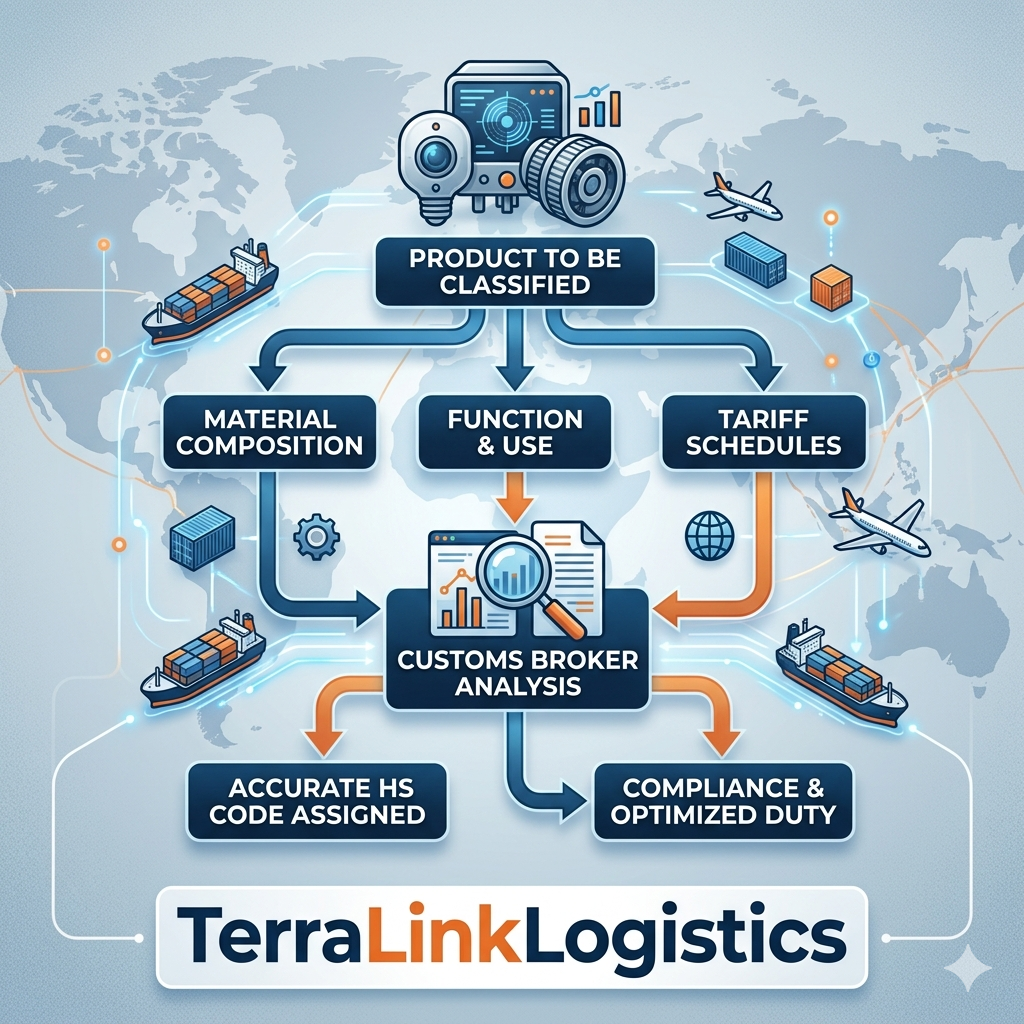
2. Accurate Classification of Goods
Every item that crosses an international border must be assigned a Harmonized System (HS) code. This code determines the rate of duty you pay and whether the product is subject to specific restrictions or trade agreements.
Misclassification is one of the most common causes of shipping delays and financial penalties. A customs broker uses their expertise to:
- Identify the most accurate HS code for complex or multi-component products.
- Ensure consistency across all shipping documentation.
- Advise on “Duty Engineering,” which involves looking at product design or sourcing to legally qualify for lower tariff rates.
3. Facilitate Faster Customs Clearance
Time is the most expensive commodity in logistics. A shipment stuck at a port of entry does more than just delay a delivery; it incurs storage fees, disrupts downstream manufacturing, and can lead to lost sales.
Customs brokers use advanced Electronic Data Interchange (EDI) systems to file declarations before the goods even arrive at the border. This “pre-arrival” processing allows customs authorities to perform risk assessments in advance. Because brokers like those at TerraLinkLogistics offers customs brokerage services, they have established relationships and “trusted trader” statuses that often lead to fewer physical inspections and faster throughput.
4. Manage Duties, Taxes, and Refunds
Financial management is a cornerstone of effective brokerage. Beyond simply paying the bills, a broker acts as a financial consultant for your trade operations. They ensure that you are paying the correct amount of duty, but they also look for opportunities to save money.
According to recent reports in Google News regarding 2026 trade trends, there is a significant shift toward “Global Duty Management.” This involves mapping out your global duty exposure and leveraging Free Trade Agreements (FTAs). A broker can identify if your goods qualify for preferential treatment under agreements like the USMCA or the EU-UK Trade and Cooperation Agreement, potentially saving your business millions over the long term.
| Service | Impact on Business |
| Duty Drawback | Recovering duties paid on imported goods that are later exported. |
| Tax Deferral | Using bonded warehouses to delay payment until goods enter the domestic market. |
| Audit Defense | Representing your company during government audits to justify valuations. |
5. Handle Specialized and Regulated Cargo
Not all cargo is created equal. Items such as pharmaceuticals, hazardous materials, perishable foods, and high-tech electronics are subject to “Partner Government Agency” (PGA) regulations. This means that in addition to standard customs, you must satisfy the requirements of agencies like the FDA, EPA, or USDA.
A customs broker acts as a single point of contact for all these agencies. They ensure that the necessary permits, licenses, and certificates of origin are in place. For example, in 2026, new “green trade” regulations such as the Carbon Border Adjustment Mechanism (CBAM) require importers to declare the carbon emissions embedded in their products. A skilled broker will help you gather this environmental data from your suppliers to remain compliant with these emerging ESG (Environmental, Social, and Governance) standards.
6. Risk Assessment and Mitigation
International trade is inherently risky. Geopolitical shifts, sudden tariff hikes, and sanctions can turn a profitable trade route into a liability overnight. A customs broker provides a layer of protection by performing regular risk assessments on your supply chain.
As noted in Forbes’ analysis of professional supply chain resilience, businesses are increasingly moving away from “reactive” logistics toward “structured” risk management. Your broker can help you:
- Vet your suppliers to ensure they are not on restricted party lists.
- Audit your internal record-keeping to ensure you can provide documentation for the five to seven years required by law.
- Develop a “Penalty Response Plan” so that if an error does occur, it is handled swiftly and professionally to minimize damage.
7. Provide End-to-End Visibility
In the digital age, data is just as important as the physical goods. Modern customs brokerage has moved beyond paper forms into the realm of predictive analytics and real-time tracking.
When TerraLinkLogistics offers customs brokerage services, they provide a “Control Tower” view of your data. This means all your customs entries, duty payments, and compliance records are centralized in one digital hub. This visibility allows you to analyze your landed costs accurately, helping you make better decisions about where to source materials and how to price your products for the global market.
Conclusion: Your Gateway to Global Growth
The complexities of international trade should not be a barrier to your company’s expansion. While the rules are getting tougher and the stakes are getting higher, the right expertise can turn these challenges into a competitive advantage. A customs broker does more than just fill out forms; they secure your supply chain, protect your reputation, and uncover hidden savings.