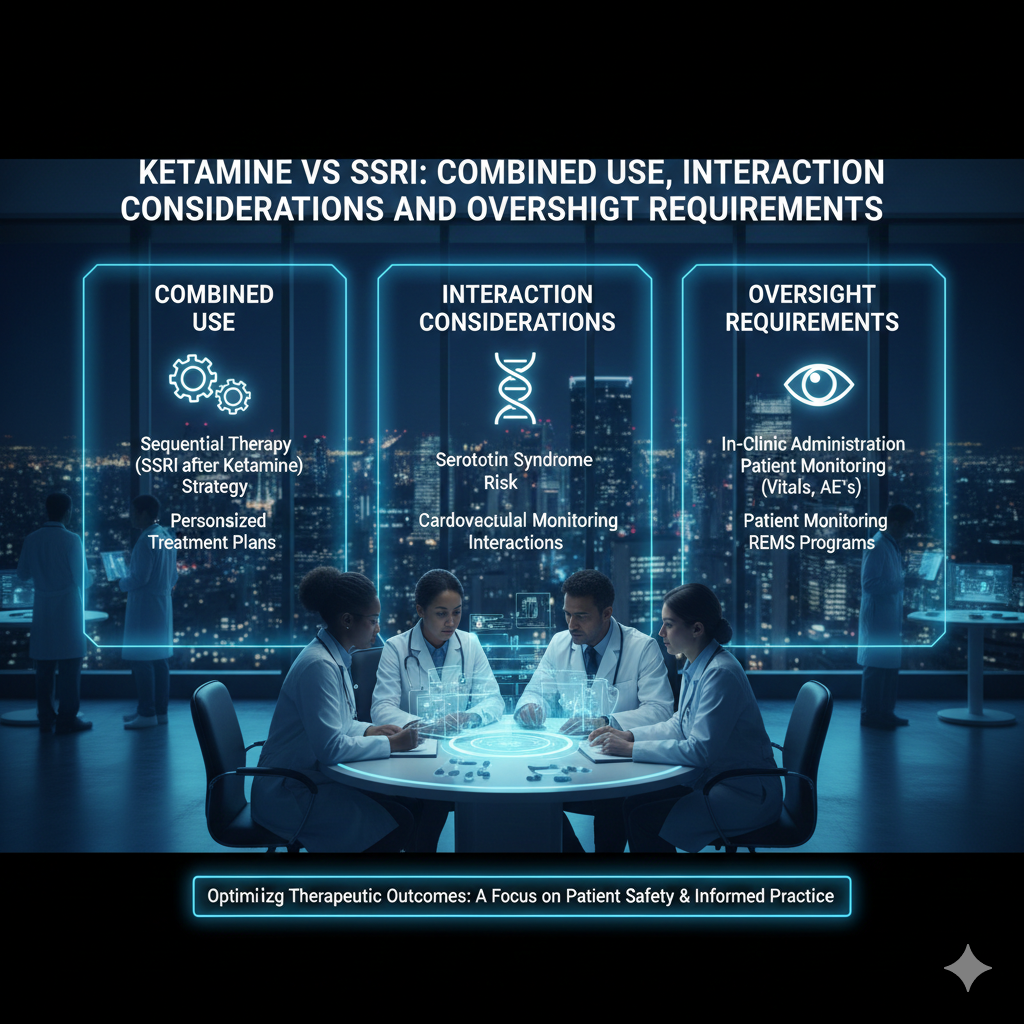
In recent years, ketamine vs SSRI has become an important comparison in the treatment of depression, particularly for patients who are struggling with treatment-resistant depression (TRD). Ketamine, a fast-acting alternative to traditional antidepressants, and SSRIs (selective serotonin reuptake inhibitors), which are widely prescribed for depression, have distinct mechanisms of action. But what happens when these two powerful treatments are used together? This article explores the combined use of ketamine vs SSRI, examining the potential interactions, considerations, and oversight requirements necessary for a safe and effective treatment strategy.
Understanding the Mechanisms of Action
Before delving into the combined use of ketamine vs SSRI, it is important to understand how these treatments work individually:
SSRIs: Increasing Serotonin Levels
SSRIs, such as fluoxetine (Prozac), sertraline (Zoloft), and escitalopram (Lexapro), work by increasing serotonin levels in the brain. They do this by blocking the reuptake of serotonin, a neurotransmitter responsible for regulating mood, sleep, and appetite. By preventing the reabsorption of serotonin, SSRIs help elevate mood and reduce symptoms of depression. SSRIs are widely used as first-line treatments for depression due to their proven effectiveness and relatively mild side-effect profile.
Ketamine: A Rapid-Acting Antidepressant
On the other hand, ketamine is a dissociative anesthetic that has been found to produce rapid antidepressant effects, often within hours or days. Unlike SSRIs, ketamine targets the NMDA receptors in the brain, which are involved in glutamate transmission. By stimulating these receptors, ketamine promotes the release of neurotransmitters and helps re-establish the neural connections that are often impaired in people with depression. Ketamine is particularly effective for patients with treatment-resistant depression, who have not responded to traditional therapies.
While these two medications work through different mechanisms, the question remains: can they be used together, and if so, what are the considerations?
Combining Ketamine vs SSRI: Potential Benefits
For certain patients, combining ketamine and SSRIs may offer enhanced therapeutic benefits, particularly in the context of treatment-resistant depression. Here’s how:
1. Ketamine as a Rapid Relief Option
One of the biggest challenges for patients with depression is the long wait for traditional antidepressants like SSRIs to take effect. SSRIs can take 4 to 6 weeks to show significant benefits, which can be particularly problematic for patients experiencing severe symptoms. Ketamine, in contrast, can provide rapid symptom relief, often within hours or days. For patients in acute distress, ketamine may be used first to provide quick relief while waiting for SSRIs to start working.
2. SSRIs for Long-Term Maintenance
Once ketamine has provided immediate symptom relief, SSRIs can be used as a long-term maintenance strategy. SSRIs are effective for sustaining mood improvement and preventing relapse over time. By using ketamine for acute symptoms and SSRIs for ongoing management, patients may experience both short-term relief and long-term stability.
3. Targeting Different Pathways
Because ketamine vs SSRI act through different pathways in the brain, their combination may have complementary effects. Ketamine targets the glutamatergic system, while SSRIs primarily affect serotonin. Combining these two approaches may provide a more comprehensive treatment for patients with complex or severe depression, potentially addressing both the immediate symptoms and underlying causes of the condition.
Interaction Considerations: Risks and Challenges
While the combined use of ketamine vs SSRI offers potential benefits, it is essential to consider the risks and interactions that may arise from using these medications together. Here are some key considerations:
1. Serotonin Syndrome
One of the primary concerns when combining ketamine with SSRIs is the risk of serotonin syndrome, a potentially life-threatening condition that can occur when there is an excess of serotonin in the brain. SSRIs increase serotonin levels, and while ketamine does not directly affect serotonin, the combination of these two medications could theoretically increase serotonin to dangerous levels. Serotonin syndrome symptoms include agitation, confusion, rapid heart rate, high blood pressure, dilated pupils, muscle rigidity, and in severe cases, seizures or loss of consciousness.
Although serotonin syndrome is rare, it is critical for healthcare providers to carefully monitor patients receiving both treatments and to adjust dosages accordingly.
2. Psychotomimetic Effects of Ketamine
Ketamine can cause hallucinations, dissociation, and other psychotomimetic effects, particularly at higher doses. While these effects are generally transient, they can be disorienting and distressing for patients. The combined use of ketamine with SSRIs could potentially amplify these effects, especially in patients who are already predisposed to psychosis or have a history of mental health conditions like schizophrenia.
3. Drug Metabolism and Pharmacokinetics
Ketamine and SSRIs may interact in terms of drug metabolism. SSRIs are metabolized by the liver enzyme CYP450, and ketamine is also processed by this same system. In some cases, combining these medications may lead to changes in the way the drugs are metabolized, potentially increasing or decreasing their effectiveness or leading to increased side effects. Healthcare providers must monitor liver function and be mindful of potential drug-drug interactions that may impact how both medications work in the body.
Oversight Requirements: Ensuring Safe Combined Use
Given the potential risks associated with combining ketamine vs SSRI, it is critical for healthcare providers to offer comprehensive oversight during treatment. Here are some key aspects of oversight that should be considered:
1. Close Monitoring of Mental Health Status
Patients combining ketamine and SSRIs should be closely monitored for changes in their mental health status. Regular follow-up appointments should assess symptom improvement, side effects, and any signs of serotonin syndrome or other complications.
2. Dosage Adjustments and Individualization
The dosages of both ketamine and SSRIs may need to be adjusted based on the patient’s response. While ketamine provides rapid symptom relief, it is important to avoid over-reliance on it. SSRIs should be introduced gradually, and dosage adjustments should be made based on the patient’s response to ketamine therapy.
3. Comprehensive Medical History and Screening
Before starting ketamine and SSRIs, healthcare providers should conduct a thorough evaluation of the patient’s medical history, including any history of substance abuse, psychotic disorders, or other factors that may complicate treatment. Screening for potential interactions and contraindications is vital to minimize risks.
Conclusion:
In summary, ketamine vs SSRI offers a dynamic treatment approach for patients with treatment-resistant depression and other mood disorders. The rapid action of ketamine combined with the long-term stability provided by SSRIs can offer significant therapeutic benefits. However, the combined use of ketamine and SSRIs must be approached with caution due to potential risks, including serotonin syndrome and increased psychotomimetic effects.
Close medical oversight is essential to ensure patient safety, and treatment should always be individualized based on the patient’s needs, response to therapy, and any pre-existing health conditions. By carefully considering interaction risks and adhering to proper dosing protocols, healthcare providers can offer a comprehensive, safe, and effective treatment plan for patients suffering from severe depression.