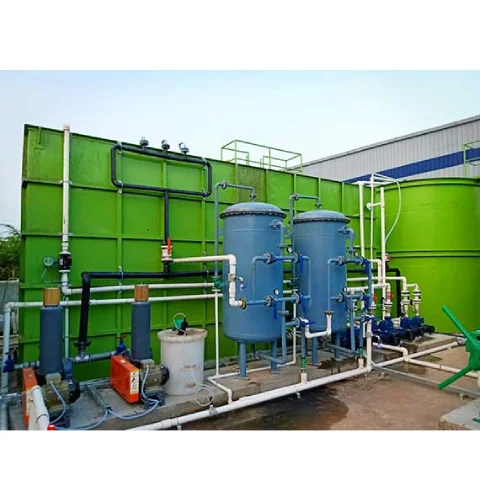
Understanding the Concept of STP Plant
An STP Plant plays a vital role in modern wastewater treatment by converting contaminated sewage water into reusable and environmentally safe water. With increasing urbanization and industrial growth, managing wastewater has become a critical concern. An efficient STP Plant helps reduce pollution, conserve water, and maintain ecological balance.
In simple terms, an STP Plant is designed to remove harmful substances, organic matter, and pollutants from sewage water. It ensures that the treated water can either be reused for non-potable purposes or safely discharged into the environment. Today, both residential and industrial sectors rely heavily on advanced treatment systems to meet environmental standards.
Importance of STP Plant in Modern Wastewater Treatment
The need for a reliable STP Plant has grown significantly due to rising water scarcity and environmental concerns. Governments and regulatory authorities now make it mandatory for many establishments to install a STP Plant to manage wastewater responsibly.
A properly designed STP Plant not only protects natural water bodies but also supports water reuse in gardening, flushing, and industrial operations. It reduces the burden on freshwater resources and promotes sustainable living. In residential areas, a Domestic Sewage Treatment Plant is widely used to treat household wastewater effectively.
The growing demand for a Domestic Sewage Treatment Plant highlights the importance of decentralized wastewater management systems. These plants are compact, efficient, and suitable for apartments, housing societies, and small commercial setups.
How an STP Plant Works Step by Step
The working process of an STP Plant involves multiple stages to ensure complete purification of sewage water. Each stage is carefully designed to remove specific types of contaminants and improve water quality.
The first stage is preliminary treatment, where large solids, debris, and floating materials are removed through screening. This step prevents damage to the system and prepares the wastewater for further processing.
The second stage is primary treatment, where suspended solids settle down in sedimentation tanks. This process helps in separating sludge from wastewater. At this stage, a significant portion of impurities is removed, making the water ready for biological treatment.
The third stage is secondary or biological treatment. In this phase, microorganisms break down organic matter present in the sewage. This is one of the most important stages in an STP Plant, as it significantly improves water quality. Aeration tanks are commonly used to enhance microbial activity and speed up the treatment process.
In many residential setups, a Domestic Sewage Treatment Plant uses advanced biological methods like MBBR or SBR technology to ensure efficient treatment. These technologies provide better performance and require less space, making them ideal for modern infrastructure.
The final stage is tertiary treatment, where the water is further purified using filtration and disinfection methods. Chlorination or UV treatment is used to eliminate harmful bacteria and pathogens. The treated water is then safe for reuse or disposal.
Key Features of Modern STP Plant Systems
Modern wastewater solutions have evolved significantly, making the STP Plant more efficient, compact, and cost-effective. Advanced automation and energy-efficient technologies have improved overall performance and reduced operational costs.
A well-designed STP Plant ensures minimal sludge production, low maintenance, and consistent output quality. It also supports water recycling, which is essential in areas facing water shortages.
The use of a Domestic Sewage Treatment Plant in residential complexes ensures that wastewater is treated at the source. This reduces dependency on centralized systems and promotes sustainable water management. Moreover, modern systems are designed to operate with minimal human intervention, making them user-friendly and reliable.
Applications of STP Plant in Different Sectors
An STP Plant is widely used across various sectors, including residential complexes, commercial buildings, industries, hotels, and hospitals. Each sector has specific requirements, and the plant is designed accordingly to meet those needs.
In urban housing societies, a Domestic Sewage Treatment Plant plays a crucial role in managing daily wastewater. It ensures that water is reused efficiently and reduces the overall environmental impact.
Industries also rely on a robust STP Plant to treat wastewater before discharge, ensuring compliance with environmental regulations. This not only protects natural resources but also enhances the brand image of the organization as an environmentally responsible entity.
Future of STP Plant in Sustainable Development
The future of wastewater management lies in adopting advanced technologies and sustainable practices. The role of an STP Plant will continue to grow as cities expand and water demand increases.
Innovations in treatment methods, energy efficiency, and automation will make the STP Plant more effective and accessible. The integration of smart monitoring systems will further improve performance and ensure compliance with environmental standards.
The increasing adoption of a Domestic Sewage Treatment Plant in residential areas reflects a shift towards decentralized and eco-friendly solutions. This approach not only conserves water but also reduces the load on municipal infrastructure.
Conclusion
An STP Plant is an essential component of modern wastewater treatment systems, ensuring safe water reuse and environmental protection. Whether it is a large industrial setup or a small residential complex, investing in the right solution is crucial for long-term sustainability. Companies like Vikas Pump are contributing to this transformation by offering reliable and efficient wastewater treatment solutions, and Vikas Pump continues to support eco-friendly infrastructure development across India.
Source url: https://govtjob.space/what-is-an-stp-plant-and-how-it-works-in-modern-wastewater-treatment/