

Buying a home is exciting, but it’s also one of the biggest financial decisions most Australians will ever make. A house might look perfect during a weekend inspection, with fresh paint, tidy landscaping, and furniture carefully arranged to highlight the best features.
But appearances can be deceiving.
This is where Pre-Purchase Home Inspections come in. These inspections are designed to uncover structural issues, safety concerns, and hidden defects before buyers commit to the purchase.
If you’ve ever wondered “What actually happens during Pre-Purchase Home Inspections?”, this guide explains the process step by step so buyers know exactly what inspectors check and why it matters.
Quick Overview: What Happens During Pre-Purchase Home Inspections
Before diving deeper, here’s the short version.
During Pre-Purchase Home Inspections, a qualified inspector examines the property to identify defects, risks, or maintenance concerns that could affect its value or safety.
Typical areas inspected include:
- Structural components such as walls, foundations, and floors
- Roofing and gutter systems
- Moisture or water damage
- Plumbing and drainage issues
- Electrical safety concerns
- Signs of pest or termite activity
The inspector then provides a detailed report explaining the property’s condition and any issues discovered.
This report helps buyers understand potential repair costs before finalising the purchase.
Want to understand what inspectors actually look for during the inspection? Keep reading.
Why Pre-Purchase Home Inspections Are Important
In Australia’s competitive property market, buyers sometimes feel pressure to make quick decisions.
Skipping a professional inspection might seem like a way to move faster.
But that shortcut can be expensive.
A proper Pre-Purchase Home Inspection helps buyers:
- Identify hidden structural issues
- Avoid costly repair surprises after settlement
- Understand the true condition of the property
- Negotiate price adjustments if problems are found
In simple terms, inspections give buyers information and confidence before signing a contract.
What Inspectors Actually Check During Pre-Purchase Home Inspections
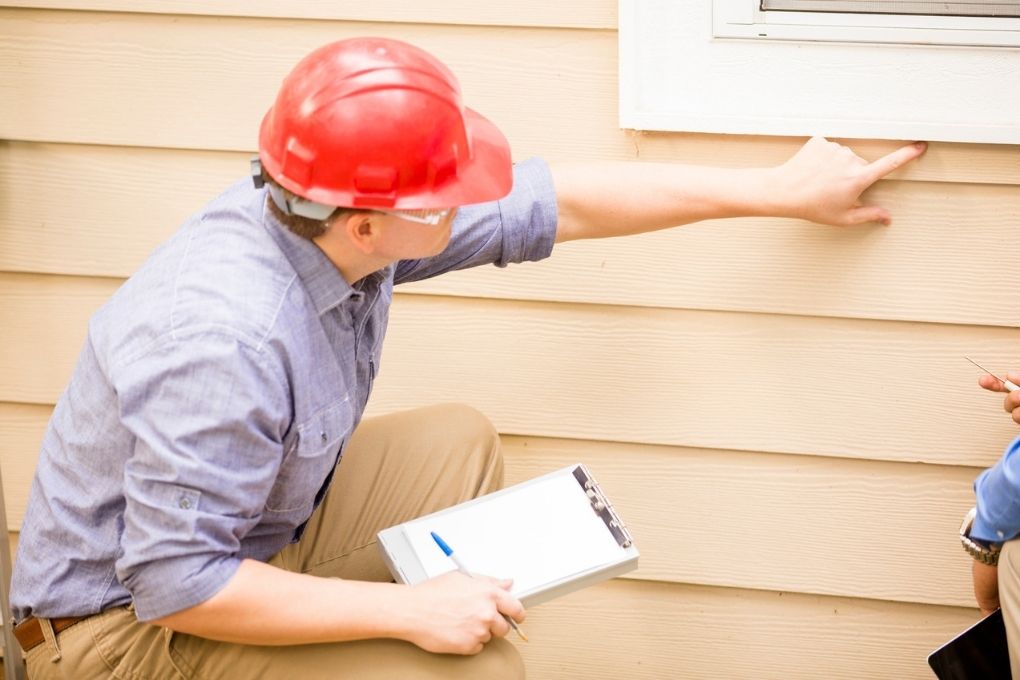
Many people imagine inspectors walking through a house with a clipboard and nodding thoughtfully.
That’s… not entirely wrong. But there’s a lot more going on.
Professional inspectors follow structured assessment guidelines to evaluate multiple parts of the property.
Let’s break down the main areas.
1. Structural Elements
One of the most important parts of Pre-Purchase Home Inspections is evaluating structural integrity.
Inspectors look for signs of movement, damage, or poor construction.
They typically examine:
- Foundation stability
- Wall cracks and structural movement
- Floor alignment or uneven surfaces
- Load-bearing elements
Small cracks can be normal, but large or expanding cracks might indicate deeper structural issues.
2. Roof and Exterior Condition
Roofs endure years of weather exposure, especially under Australia’s harsh sun and storms.
Inspectors check:
- Roof tiles or metal roofing condition
- Flashing around vents and chimneys
- Gutter systems and drainage
- Signs of leaks or water entry
Even minor roofing problems can eventually lead to costly interior damage if ignored.
3. Moisture and Water Damage
Water is one of the biggest threats to property integrity.
During Pre-Purchase Home Inspections, inspectors look for signs such as:
- Damp walls
- Mould growth
- Poor ventilation
- Water stains on ceilings
These issues may suggest plumbing problems, roof leaks, or poor drainage around the property.
4. Electrical Safety
Electrical systems are another critical area.
Inspectors assess visible electrical components to identify safety concerns.
They may note issues such as:
- Outdated wiring
- Missing safety switches
- Non-compliant installations
- DIY electrical modifications
Electrical problems can pose fire risks, so identifying them early is important.
5. Pest and Termite Activity
In Australia, termite inspections are often conducted alongside building inspections.
Inspectors check for:
- Termite damage in timber structures
- Active pest activity
- Conditions that attract termites
Did You Know?
Termites cause hundreds of millions of dollars in property damage across Australia every year.
That’s a lot of tiny insects doing extremely expensive work.
Pro Tip: Cosmetic Renovations Can Hide Bigger Issues
A property that looks freshly renovated can feel reassuring.
New paint, modern fixtures, and polished floors create a strong first impression.
But inspectors know something buyers sometimes forget:
Cosmetic upgrades do not guarantee structural integrity.
Occasionally, renovations are done quickly to improve presentation rather than address underlying issues.
That’s why Pre-Purchase Home Inspections remain essential even for recently renovated homes.
Quick Guide: How Buyers Use Pre-Purchase Home Inspections
Imagine this situation.
You’ve found a home that seems perfect. The location is great, the price looks reasonable, and everything appears well maintained.
Then the inspection report arrives.
Suddenly you’re reading about cracks, drainage issues, and roof repairs.
It can feel overwhelming.
Common Challenges Buyers Face
- “Are these issues serious or just normal wear?”
- “Should I still proceed with the purchase?”
- “How much will these repairs cost?”
Practical Ways to Handle Inspection Results
Focus on Major Structural Concerns
Structural movement, roof damage, or termite activity should receive the most attention.
Ask the Inspector for Clarification
Inspectors can often explain whether defects are minor maintenance items or serious problems.
Seek Repair Estimates
Getting quotes from builders or trades helps determine whether the issue is manageable.
Use the Report for Negotiation
Inspection findings can sometimes support price negotiations or repair requests.
Why This Approach Works
Inspection reports provide valuable information, not automatic deal-breakers.
Some properties have minor defects that are normal for their age.
Understanding the difference between manageable repairs and serious risks helps buyers make smarter decisions.
Quick Quiz: How Well Do You Understand Pre-Purchase Home Inspections?
Test your knowledge with this quick quiz.
1. What is the main goal of Pre-Purchase Home Inspections?
A) To increase property value
B) To identify defects before purchase
C) To replace real estate agents
Correct answer: B
2. Which problem is commonly found during inspections?
- Structural cracks
- Moisture damage
- Termite activity
- All of the above
Correct answer: All of the above
3. Should buyers ignore small defects listed in reports?
A) Yes
B) No
C) Only if they are clearly cosmetic
Correct answer: C
If you scored three out of three, congratulations. You are officially more cautious than many property buyers.
FAQs About Pre-Purchase Home Inspections
How long do Pre-Purchase Home Inspections take?
Most inspections take between one and three hours, depending on the size and complexity of the property.
Larger homes or older properties may take longer because there are more areas to assess.
The inspection report is typically delivered within 24–48 hours.
What is included in Pre-Purchase Home Inspection reports?
Inspection reports usually include:
- Structural assessment
- Roofing condition
- Interior and exterior defects
- Drainage and moisture issues
- Safety hazards
Reports often include photos and explanations to help buyers understand the findings.
Are Pre-Purchase Home Inspections required in Australia?
They are not legally required in most property transactions.
However, many buyers consider them essential because they reveal issues that may not be visible during standard property viewings.
Skipping an inspection can expose buyers to significant financial risk.
Can inspections find every problem?
Not always.
Inspectors assess visible and accessible areas of a property. Some issues hidden behind walls or under floors may not be detectable during a standard inspection.
However, experienced inspectors can often identify warning signs that suggest deeper problems.
Conclusion
Buying a home is a major investment, and while a property may look flawless during an open inspection, hidden issues can exist beneath the surface.
This is why Pre-Purchase Home Inspections are such an important step in the buying process. They provide a professional assessment of the property’s condition, helping buyers identify structural defects, safety concerns, and potential repair costs before committing to the purchase.
For Australian property buyers, an inspection offers more than just technical information. It provides clarity, confidence, and peace of mind. Understanding the true condition of a home allows buyers to negotiate fairly, plan future maintenance, or walk away if necessary.
And when you’re spending hundreds of thousands of dollars on a house, having that knowledge is invaluable.