
When you receive a crown, denture, veneer, or orthodontic appliance, much of the work happens behind the scenes in a dental laboratory. While dentists diagnose and treat patients, dental labs are responsible for designing and fabricating the restorations that make those treatments successful.
This complete guide explains what a dental lab in india does, how it works with dentists, and why it’s essential for both patients and dental professionals.
What Is a Dental Lab?
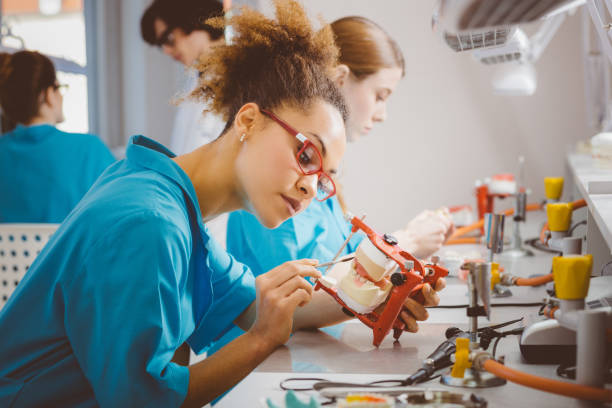
A dental laboratory is a specialized facility where trained dental technicians create custom dental restorations and appliances. These include:
- Crowns and bridges
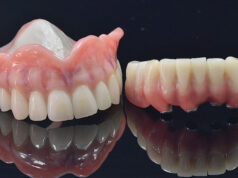
- Dentures (full and partial)
- Veneers
- Dental implant restorations
- Orthodontic appliances like retainers and aligners
- Night guards for Bruxism
Dental labs typically do not interact directly with patients. Instead, they work closely with dentists who provide prescriptions, impressions, or digital scans.
The Role of a Dental Lab in Modern Dentistry


6
Dental labs are essential for both restorative and cosmetic dentistry. Their key roles include:
1. Custom Fabrication
Every dental restoration is uniquely designed to match the patient’s mouth, ensuring proper fit and function.
2. Restoring Oral Health
Labs create prosthetics that replace missing or damaged teeth, improving chewing, speech, and overall dental health.
3. Enhancing Aesthetics
Technicians craft restorations that look natural by carefully matching color, shape, and translucency.
4. Supporting Dentists
Dental labs provide technical expertise and precision that dentists rely on for successful treatments.
Types of Dental Products Made in a Lab
Crowns and Bridges
Used to restore damaged teeth or replace missing ones. Materials include zirconia, porcelain, and metal alloys.
Dentures
Removable appliances that replace multiple or all missing teeth, designed for comfort and natural appearance.
Veneers
Thin shells placed on the front of teeth to improve aesthetics.
Implant Restorations
Custom crowns or bridges that attach to dental implants.
Orthodontic Appliances
Retainers, aligners, and other devices used to correct or maintain tooth alignment.
Night Guards
Protective devices used to prevent damage caused by teeth grinding.
How Dental Labs Work: Step-by-Step


6
Step 1: Patient Examination
The dentist evaluates the patient and determines the need for a restoration.
Step 2: Impressions or Digital Scans
A mold or 3D scan of the patient’s teeth is taken.
Step 3: Lab Prescription
The dentist sends detailed instructions to the lab, including material, shade, and design.
Step 4: Design (CAD)
Technicians use digital software to design the restoration.
Step 5: Fabrication
The restoration is created using milling machines, 3D printing, or manual techniques.
Step 6: Finishing and Quality Check
The product is polished, tested, and inspected for accuracy.
Step 7: Delivery and Fitting
The dentist receives the restoration and fits it in the patient’s mouth.
Technologies Used in Modern Dental Labs


6
Modern dental labs use advanced technologies such as:
- CAD/CAM (Computer-Aided Design & Manufacturing)
- 3D Printing for models and appliances
- Digital Impressions for improved accuracy
- Advanced Materials like zirconia and lithium disilicate
These innovations improve precision, speed, and overall quality.
The Skill Behind Dental Lab Work
Dental technicians combine science and artistry. Their work requires:
- Knowledge of dental anatomy
- Precision and attention to detail
- Artistic skills for natural aesthetics
- Expertise in materials and technology
They play a crucial role in ensuring restorations look and function like real teeth.
Why Dental Labs Matter for Patients
Personalized Fit
Every restoration is custom-made for comfort and functionality.
Natural Appearance
High-quality labs create lifelike results that blend seamlessly with your smile.
Durability
Strong materials and precise fabrication ensure long-lasting restorations.
Improved Quality of Life
Restorations help patients eat, speak, and smile confidently.
Why Dental Labs Matter for Dentists
Dental labs are trusted partners for dental professionals. They provide:
- Technical expertise
- Consistent quality
- Advanced fabrication capabilities
- Support for complex cases
A strong dentist–lab relationship leads to better patient outcomes.
Choosing the Right Dental Lab
For dentists and clinics, selecting the right lab is critical. Consider:
- Experience and reputation
- Quality of materials used
- Technology and digital capabilities
- Communication and support
- Turnaround time
A reliable lab ensures consistent and high-quality results.
The Future of Dental Labs


6
The dental lab industry is rapidly evolving with:
- Artificial intelligence in design
- Fully digital workflows
- Faster production times
- Eco-friendly materials
Despite automation, skilled technicians will remain essential for achieving the best aesthetic results.
Conclusion
Dental labs are the backbone of modern dentistry, transforming clinical plans into precise, functional, and beautiful restorations. While patients may never see the lab, its impact is felt in every confident smile.
Understanding the role of dental labs helps patients appreciate the craftsmanship behind their treatments and highlights the importance of choosing experienced professionals.