

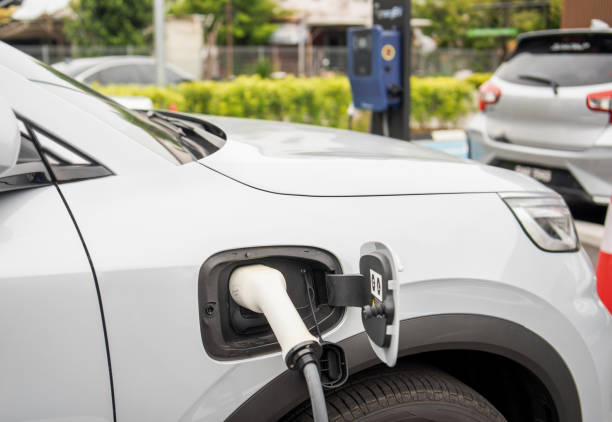
Every month, more Singaporeans begin using electric vehicles, which leads to many people installing chargers without completing the necessary steps first. The result? Failed inspections, voided warranties, and repair bills that could have been avoided.
Homeowners and condo residents make specific Electric car charging installation mistakes, which this guide will help you overcome for successful setup. This resource provides time and cost savings while eliminating most frustrations, whether you are researching or planning to schedule an installer.
Why Getting the Installation Right Matters
The adoption of electric vehicles in Singapore is experiencing rapid growth. The Land Transport Authority established specific performance requirements to achieve electric vehicle charging infrastructure readiness throughout Singapore by 2030, while new residential buildings now require electric vehicle charging stations.
The process of installing Singapore electric car charging stations progresses at a speed which results in incomplete work.
Incorrect installation of electric car charging systems results in dangerous situations, which create more than just inconvenience for users.
Common EV Charger Installation Mistakes to Avoid
Many homeowners make small but costly errors during EV charger setup, which can lead to safety risks, poor performance, and higher expenses later.
1. Skipping the Electrical Capacity Check
Most homes are not built with EV charging in mind. Adding a charger without checking the load can trip your system or damage wiring.
- Older homes may not support 7kW or higher chargers
- Overloading can trip breakers often
- The risk of overheating wires increases
- May require costly upgrades later
Always get a proper load assessment before installation.
2. Hiring an Unlicensed Electrician
Many people try to save money here, but it often leads to bigger issues. In Singapore, EV charger work must be done by a licensed professional.
- Work may fail the safety inspection
- Charger may not be legally approved
- Warranty can become void
- Risk of unsafe wiring increases
Always hire a Licensed Electrical Worker for peace of mind.
3. Ignoring MCST Approval for Condos
If you live in a condo, approval is not optional. Skipping this step can delay or even cancel your installation.
- Work may be stopped midway
- You may need to remove installed equipment
- Extra costs for rework
- Possible disputes with management
Always get written approval before starting installation.
4. Choosing the Wrong Charger Type
Not all chargers suit every home or driver. Picking the wrong one can waste money or limit performance.
- Slow chargers may not meet daily needs
- Overpowered chargers can strain your system
- The wrong type increases the charging time
- Mismatch with the car’s capability wastes cost
5. Poor Cable Routing and Protection
Loose or exposed cables create long-term risks. Singapore’s weather can damage poorly installed wiring quickly.
- Heat and humidity wear cables faster
- Water exposure increases the risk of faults
- Physical damage becomes more likely
- Safety hazards increase in shared spaces
6. Not Planning for Future-Proofing
Many setups only focus on current needs. However, EV technology is evolving fast.
- Future cars may need faster charging
- Upgrading later costs more
- Limited capacity restricts expansion
- No support for multiple EVs
7. Underestimating Cable Run Length
Distance from your power source affects performance. Longer cable runs can reduce charging efficiency.
- Voltage drop affects charger output
- Thin cables may not handle the load
- Performance becomes inconsistent
- Costs rise if corrected later
8. No Proper Earth Fault Protection
This is a serious safety issue that many overlook. EV chargers need specific protection devices.
- A wrong device may not detect faults
- Increased risk of electric shock
- Equipment damage becomes likely
- Installation may fail compliance checks
9. Ignoring Metering and Billing
In shared buildings, power usage must be tracked properly. Skipping this creates disputes.
- You may pay for others’ usage
- Billing confusion can arise
- Hard to track energy consumption
- Issues when selling property
10. Not Getting an As-Built Drawing
Many people forget this step after installation. However, this document is very important later.
- Harder to fix issues in future
- No record of wiring layout
- Problems during the property sale
- Difficulty upgrading the system
How to Avoid EV Charger Installation Mistakes
The process of establishing an electric car charging station requires proper planning and selection of appropriate equipment and adherence to established safety procedures.
Assess Your Electrical Setup First.
Home power capacity assessment needs to occur before charger installation. This assessment prevents future overload problems and expensive system upgrades.
Choose the Right Charger for Your Needs.
The selection of charger type needs to align with your driving patterns and vehicle specifications. This method enables cost-effective charging operations.
Work with Certified Professionals.
You should employ a certified installer who adheres to all regional safety standards. Your system will remain protected through this process while maintaining compliance with regulations and operational dependability.
Conclusion
Electric car charging installation in Singapore requires following the correct procedures because the process is not difficult to execute. The process requires checking electrical capacity first before obtaining MCST approval, hiring a licensed electrician and selecting a suitable charger.
With proper planning, people can easily avoid these ten errors. Your installation requires consultation with an EV installer who needs to perform a complete site evaluation before you make any decisions.
Frequently Asked Questions
Do I need approval to install an EV charger at home in Singapore?
The requirement of written permission from the MCST or HDB emerges when people who reside in HDB or condominium buildings want to start their installation work. The authorities do not require approval for the installation of electrical systems in landed properties, but require that all electrical work be performed by Licensed Electrical Workers who must adhere to EMA regulations.
What is the common EV charger installation mistake to avoid in Singapore condos?
The most common mistake is skipping MCST approval and booking an installer directly. The owner must pay for the installation reversal process. The process should start only after management provides its official written permission.
How long does a home EV charger installation take in Singapore?
The process of installing a basic system needs between four and eight hours to complete. The work requires more time when the installation needs extensive cable runs or requires a main switch upgrade or sub-metering system installation.
Can I use a normal power socket to charge my EV in Singapore?
The charging process through this method operates at a very slow speed. Level 1 charging through a standard 13A socket enables drivers to gain approximately 8 to 10 kilometres of driving range for every hour.