
You walk into your home and something feels off. The walls look fine. The furniture is decent. But the floors? They feel tired. Maybe scratched. Maybe outdated. And suddenly you start thinking about replacing them.
At first it sounds simple. You visit a flooring store and see beautiful options. Clean hardwood. Smooth finishes. Modern designs. It all looks exciting. But then the questions start. How much will it really cost? Why do prices vary so much? And what are you actually paying for?
This guide breaks it all down in a real and honest way. No confusing terms. No hidden surprises. Just a clear look at what goes into flooring costs so you can make a smart decision without regret.
Why Flooring Costs More Than You Expect
Most people think flooring is just about buying materials. That is where the confusion begins. The real cost is much bigger.
When you visit a flooring store you usually see the price per square foot. That number looks manageable. But that is only the starting point.
There are several layers behind the final cost. Materials are one part. Labor is another. Then there are hidden things like removing old floors and preparing the surface.
Even small details can change the price. For example uneven subfloors need fixing. That adds both time and money. Suddenly your simple plan becomes a full project.
This is why two homes with the same size can have very different costs. It all depends on the condition of the space and the type of flooring you choose.
The Biggest Cost Factors You Need to Know
Material Choice Changes Everything
The type of flooring you pick plays the biggest role. Hardwood flooring is often more expensive than vinyl or laminate. But it also lasts longer.
Solid hardwood gives a premium look. It feels warm and natural. But it comes at a higher price. Engineered wood is slightly more affordable but still stylish.
Cheaper materials may save money upfront. But they may not last as long. That means you could end up replacing them sooner.
Labor Is Not Just Installation
Many people underestimate labor costs. Installation is not just laying down planks.
Workers need to measure. Cut. Adjust. And sometimes repair the base floor. Skilled labor costs more but it ensures quality.
Poor installation can ruin even the best materials. That is why experienced installers are worth the cost.
Prep Work and Hidden Repairs
Before new floors go in the old ones must come out. That alone takes time and effort.
Then comes surface preparation. If the base is uneven it must be fixed. Moisture issues must be handled too.
These steps are not optional. Skipping them leads to problems later. Warping. Cracking. Or uneven surfaces.
Step by Step Breakdown of Flooring Costs
Step One Choosing the Right Material
This is where your budget starts forming. Visit a local showroom. Compare options. Touch the materials.
Do not just go for looks. Think about durability. Foot traffic. And maintenance.
Step Two Measuring and Planning
Accurate measurements matter. Even small mistakes can lead to wasted material.
Professionals usually add extra material for safety. This ensures the project does not stop midway.
Step Three Removing Old Flooring
This step can be simple or complex. Tiles are harder to remove than carpets.
Disposal costs also add up. Some materials need special handling.
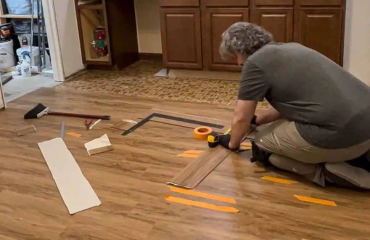
Step Four Installation Process
This is where the real transformation happens. Planks or tiles are placed carefully.
Edges are aligned. Gaps are managed. Everything must fit perfectly.
Step Five Finishing Touches
Trims and edges complete the look. These small details make a big difference.
Without proper finishing the floor looks incomplete.
Common Mistakes That Increase Your Budget
Choosing Based on Price Alone
It is tempting to pick the cheapest option. But that often leads to disappointment.
Low quality materials wear out faster. Repairs and replacements cost more over time.
Ignoring Subfloor Condition
Many homeowners skip inspection. That is a mistake.
If the base is weak the new floor will not last. Fixing it later costs even more.
Hiring Inexperienced Installers
Saving money on labor can backfire. Poor installation leads to uneven floors.
You may end up paying twice to fix the same issue.
Smart Ways to Control Flooring Costs
Compare Options Before Deciding
Visit more than one flooring store. Prices and options vary widely.
Ask questions. Look at samples. Take your time before choosing.
Plan Your Budget Realistically
Set a budget but keep some extra for surprises.
Unexpected repairs are common in flooring projects.
Choose Durable Materials
Sometimes spending a bit more upfront saves money later.
Hardwood flooring is a good example. It lasts longer and can be refinished.
Schedule Installation Wisely
Off season projects may cost less. Contractors are less busy and may offer better rates.
Real Life Example of Flooring Costs
Imagine two homeowners with similar houses.
The first one chooses cheap laminate. Installation is quick and low cost. But after a few years the surface starts wearing out.
The second one invests in quality wood flooring. The initial cost is higher. But the floor lasts for decades.
Over time the second homeowner spends less. This shows how long term thinking matters.
Flooring is not just an expense. It is an investment in your home.
How to Get the Best Value From Your Flooring Store
Not all stores are the same. Some focus only on sales. Others guide you properly.
A good flooring store will help you understand your options. They will explain pros and cons clearly.
They may also offer installation services. This can simplify the process and reduce stress.
Ask for detailed estimates. Make sure everything is included. This avoids surprises later.
Trust is important here. Work with people who answer your questions honestly.
Conclusion
Installing new floors is more than just a design upgrade. It is a decision that affects your home for years.
The true cost includes materials. Labor. Preparation. And long term durability.
By understanding these factors you can avoid common mistakes. You can plan better. And you can invest wisely.
Take your time. Ask questions. And choose quality over shortcuts. The right flooring will not just look good. It will feel right every single day.
FAQs
How much does new flooring usually cost
Costs vary based on material and labor. Basic projects may be affordable while premium options can be higher.
Is hardwood flooring worth the cost
Yes if you want durability and long term value. It lasts longer and can be refinished.
Can I install flooring myself to save money
It is possible but risky. Mistakes can lead to higher repair costs later.
How long does flooring installation take
It depends on size and complexity. Small areas may take a day while larger projects can take several days.
What is the most budget friendly flooring option
Vinyl and laminate are usually cheaper. But they may not last as long as hardwood options