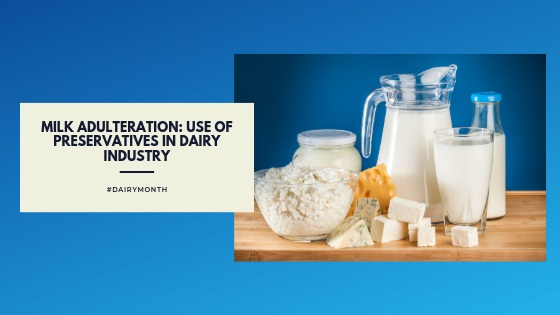
Introduction
The dairy industry is one of the most critical sectors of food production worldwide. Ensuring milk remains safe and nutritious from farm to consumer requires careful use of preservation techniques. A milk preservative is any substance or method used to extend the shelf life of milk while maintaining its nutritional quality. With growing consumer demand for fresh dairy products, understanding the science and regulation of milk preservatives has never been more important.
What Is a Milk Preservative?
A milk preservative is a chemical or natural agent added to milk or applied during processing to inhibit microbial growth, delay spoilage, and maintain sensory quality. Common preservatives include nisin, hydrogen peroxide, and various natural antimicrobials. These agents are carefully regulated by food safety authorities to ensure they are safe for human consumption.
Types of Milk Preservatives Used in the Dairy Industry
Several categories of milk preservatives are used across the global dairy industry. Nisin, a naturally occurring polypeptide produced by Lactococcus lactis, is widely used for its effectiveness against gram-positive bacteria. Hydrogen peroxide at controlled concentrations inhibits bacterial growth but must be neutralised before consumption. Natamycin is used to prevent mould and yeast growth in cheese. Sodium benzoate and potassium sorbate are also employed in certain dairy-adjacent products. The choice of preservative depends on the type of dairy product, target shelf life, and regulatory guidelines in the market of sale.
Why Milk Preservation Matters
Milk is a highly perishable product due to its rich nutritional composition, which makes it an excellent growth medium for microorganisms. Without adequate preservation, milk can spoil within hours at room temperature. Spoilage leads not only to economic losses for dairy producers but also to potential health hazards for consumers. Effective preservation ensures that milk retains its protein, fat, vitamins, and minerals while preventing the growth of pathogens such as Salmonella, E. coli, and Listeria monocytogenes.
Natural vs. Chemical Preservatives
There is a growing consumer preference for natural preservatives over synthetic chemicals. Natural preservatives such as nisin, lysozyme, and lactoferrin — all of which are naturally present in milk — offer safe and effective options. Meanwhile, biotechnology products are increasingly being explored to develop novel biopreservatives derived from microbial fermentation. The trend towards clean-label dairy products is driving innovation in this space, benefiting both consumers and dairy producers.
Regulatory Framework
The use of milk preservatives is tightly regulated globally. In India, the Food Safety and Standards Authority of India (FSSAI) specifies permissible preservatives and their maximum allowable concentrations in dairy products. Internationally, the Codex Alimentarius Commission provides guidelines that many countries adopt. Dairy producers must ensure compliance to maintain market access and consumer trust.
Interlinking with Related Topics
Understanding preservatives is closely linked to advances in food science and laboratory testing. For instance, a2 milk testing kit solutions now allow producers to verify milk composition alongside safety testing. Similarly, biotechnology products have opened new frontiers for developing safer, more effective preservatives derived from natural sources.
Conclusion
Milk preservatives play an indispensable role in the modern dairy supply chain. As science and consumer expectations evolve, the dairy industry is moving towards safer, more natural preservation methods. Staying informed about these developments ensures better product quality and regulatory compliance.
Related Resource
For more information on milk preservative, visit the DSS Imagetech resource page.
Frequently Asked Questions (FAQs)
Q: What is the most commonly used milk preservative?
A: Nisin is one of the most widely used natural milk preservatives globally, valued for its effectiveness against gram-positive bacteria without adverse health effects.
Q: Are milk preservatives safe for human consumption?
A: Yes, when used within regulatory limits set by bodies such as FSSAI and Codex Alimentarius, approved milk preservatives are considered safe for human consumption.
Q: How does a milk preservative work?
A: Milk preservatives work by inhibiting microbial growth through various mechanisms such as disrupting cell membranes, altering pH, or acting as antioxidants to delay chemical spoilage.
Q: What is the difference between natural and chemical milk preservatives?
A: Natural preservatives like nisin and lysozyme are derived from biological sources, while chemical preservatives like sodium benzoate are synthetically produced. Both are regulated, but consumer preference is shifting towards natural options.
Q: Can milk be preserved without any additives?
A: Yes, pasteurisation, ultra-high temperature (UHT) processing, and refrigeration are physical preservation methods that do not require chemical additives.