

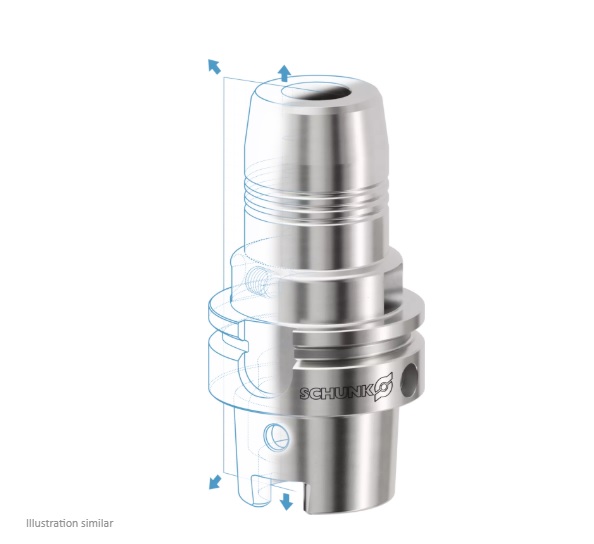
Industrial manufacturing relies heavily on precision, efficiency, and reliability. As production technologies continue to advance, the importance of high-quality machining tools and accessories has become even more significant. Among the essential components used in machining and manufacturing processes are grip tool holders and tool holders. These components play a critical role in securing cutting tools, improving machining accuracy, and enhancing overall productivity.
In modern manufacturing environments such as CNC machining, automotive production, aerospace engineering, and metal fabrication, the performance of machining operations often depends on the quality of the tools and tool-holding systems being used. Reliable grip tool holders and tool holders ensure stability, precision, and safety during high-speed machining operations.
Understanding Tool Holders in Manufacturing
Tool holders are mechanical devices designed to secure cutting tools in machining equipment such as CNC machines, milling machines, and lathes. They serve as the connection between the machine spindle and the cutting tool, allowing the tool to operate efficiently during machining processes.
The primary function of tool holders is to securely hold the cutting tool while maintaining proper alignment and balance. This stability ensures that the cutting tool performs accurately and delivers consistent machining results.
Without properly designed tool holders, machining processes can suffer from tool vibration, misalignment, and reduced cutting efficiency. This can negatively impact product quality and increase production costs.
What Are Grip Tool Holders?
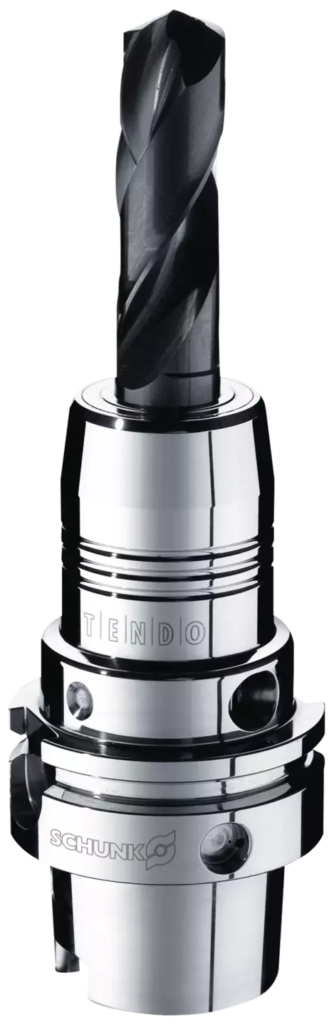
While standard holders secure cutting tools, grip tool holders provide enhanced gripping strength and improved tool stability. These specialized holders are designed to hold cutting tools firmly using advanced clamping mechanisms.
Grip tool holders are widely used in high-precision machining environments where strong tool retention and minimal runout are essential. By maintaining a secure grip on the cutting tool, these holders help ensure smoother cutting operations and better machining performance.
The design of grip tool holders often includes advanced clamping systems that distribute gripping force evenly around the cutting tool. This ensures that the tool remains stable even during high-speed machining operations.
Key Benefits of Grip Tool Holders and Tool Holders
High-quality grip tool holders and tool holders provide numerous advantages in industrial manufacturing processes.
Improved Machining Precision
Precision is essential in modern manufacturing, especially in industries such as aerospace and medical device production. Tool holders ensure accurate positioning of cutting tools, while grip tool holders provide additional stability that helps maintain precise cutting operations.
Reduced Tool Vibration
One of the common challenges in machining is vibration caused by unstable tool positioning. Using high-quality grip tool holders significantly reduces vibration by providing stronger tool retention and balanced clamping force.
Increased Tool Life
Properly secured tools experience less stress and wear during machining operations. Tool holders that maintain stable tool positioning can extend the lifespan of cutting tools and reduce replacement costs.
Higher Productivity
Reliable grip tool holders and tool holders allow machines to operate at higher speeds without sacrificing accuracy. This improves production efficiency and enables manufacturers to complete machining tasks faster.
Better Surface Finish
When cutting tools remain stable during operation, they produce smoother surfaces and more precise finishes on machined components. This is particularly important for industries that require high-quality product standards.
Applications of Grip Tool Holders in Manufacturing
The versatility of grip tool holders makes them suitable for a wide range of industrial applications.
CNC Machining
CNC machining operations require highly stable tool holding systems. Grip tool holders help maintain precise cutting performance during milling, drilling, and turning processes.
Automotive Manufacturing
The automotive industry uses tool holders for producing engine components, transmission parts, and structural elements with high accuracy.
Aerospace Engineering
In aerospace manufacturing, even the smallest machining errors can lead to serious consequences. Grip tool holders provide the stability needed for machining high-precision aerospace components.
Metal Fabrication
Metal fabrication processes such as milling and drilling rely on durable tool holders to ensure accurate shaping and cutting of metal parts.
Different Types of Tool Holders
Manufacturers can choose from several types of tool holders, depending on their machining requirements.
Collet Tool Holders
These holders use collets to clamp the cutting tool tightly. They are commonly used for high-speed machining and precision operations.
Hydraulic Tool Holders
Hydraulic systems apply pressure to hold the cutting tool securely. These holders provide excellent vibration damping.
Shrink Fit Tool Holders
Shrink fit holders use heat to expand the holder, allowing the cutting tool to be inserted. Once cooled, the holder contracts and secures the tool firmly.
Mechanical Grip Tool Holders
These grip tool holders use mechanical clamping systems to hold tools with a strong gripping force. They are ideal for heavy-duty machining applications.
Read also: Complete Guide to Pneumatic Clamping and Pneumatic Gripper for Robotic Arm in Modern Manufacturing
Factors to Consider When Choosing Tool Holders
Selecting the right grip tool holders and tool holders is essential for achieving optimal machining performance.
Machine Compatibility
Tool holders must be compatible with the machine spindle and tool interface used in the manufacturing process.
Clamping Strength
The holder should provide sufficient gripping force to secure the cutting tool during high-speed machining operations.
Precision Requirements
For high-precision applications, manufacturers should choose grip tool holders that minimize runout and maintain tool stability.
Material Quality
Durable materials ensure long-lasting performance and resistance to wear in demanding industrial environments.
The Role of Tool Holders in Smart Manufacturing
Modern manufacturing is increasingly adopting advanced technologies such as robotics, automation, and data-driven production systems. In these environments, reliable machining components are essential for maintaining consistent production quality.
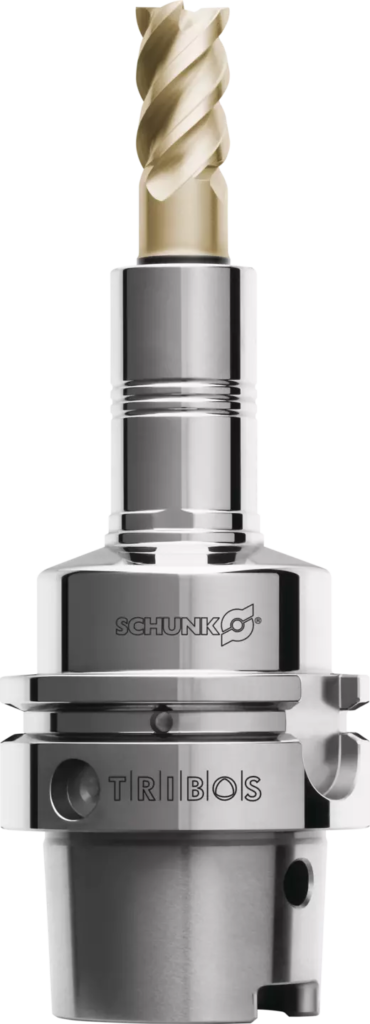
High-performance grip tool holders and tool holders support automated machining systems by ensuring stable tool positioning and efficient cutting operations. This reliability helps manufacturers maintain productivity while reducing downtime and maintenance costs.
As smart factories continue to evolve, the demand for precision tool-holding systems will continue to grow. Advanced designs and innovative engineering solutions are helping manufacturers achieve higher levels of machining accuracy and efficiency.
Conclusion
Precision machining plays a crucial role in modern industrial manufacturing, and the effectiveness of machining operations often depends on the quality of the tool-holding system. Reliable grip tool holders and tool holders ensure that cutting tools remain stable, accurate, and efficient during machining processes.
From improving machining precision to reducing tool vibration and increasing productivity, these components provide significant benefits for manufacturers across various industries. Choosing the right tool holders is essential for maintaining high production standards and achieving optimal manufacturing results.
Companies like Schunk are recognized for developing advanced clamping and gripping technologies that support high-performance machining and help industries achieve greater efficiency, precision, and reliability in modern manufacturing.