
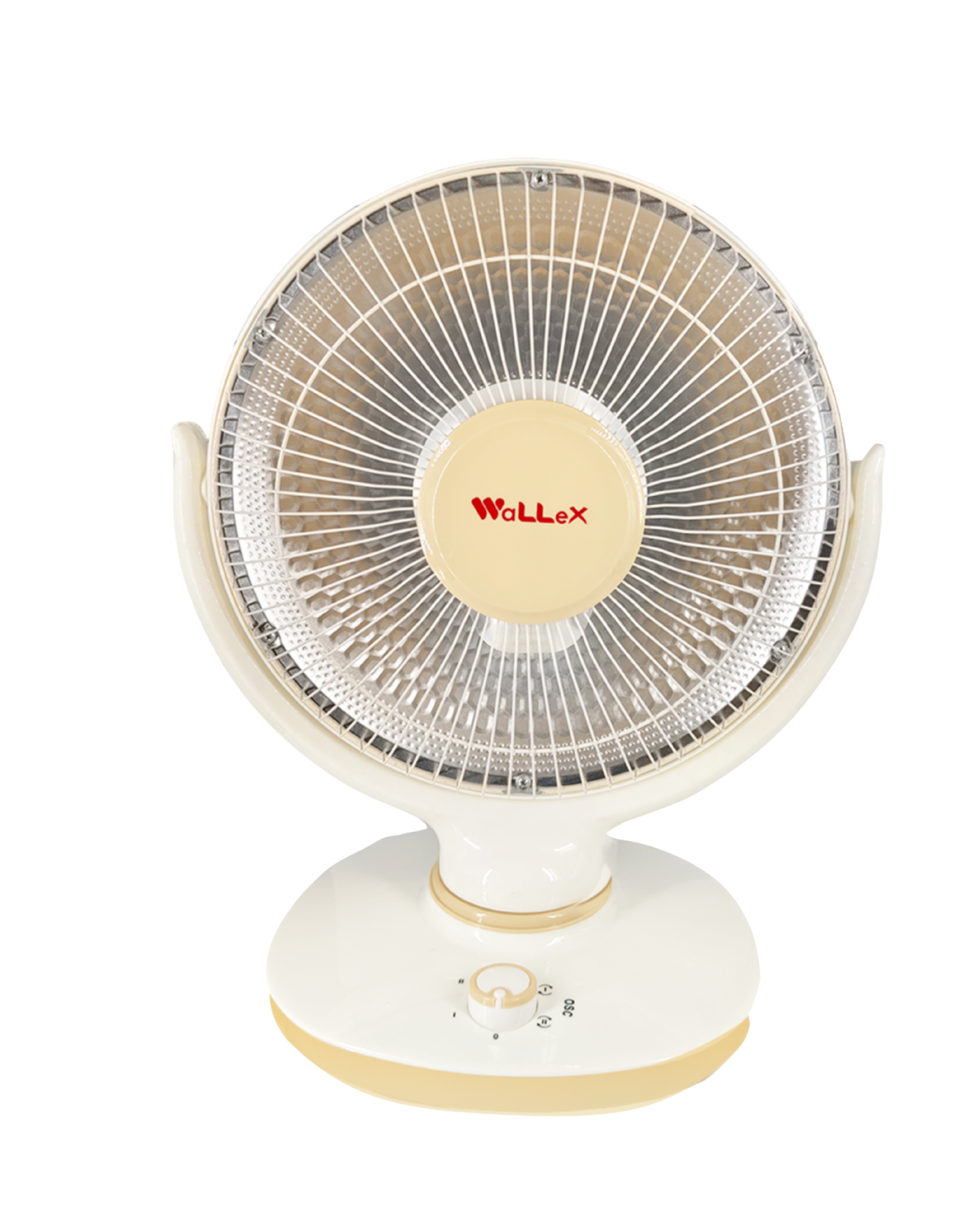
Table fans are among the most commonly used household appliances, especially in regions with warm climates. They are affordable, portable, and consume relatively less electricity compared to other cooling devices like air conditioners or even ceiling fans. However, many people still wonder how much table fan power consumption and how it impacts their electricity bill.
In this detailed guide, we will explore table fan power consumption, factors affecting it, how to calculate energy usage, and tips to reduce electricity costs.
Understanding Table Fan Power Consumption
Power consumption refers to the amount of electrical energy an appliance uses to operate. It is usually measured in watts (W) or kilowatts (kW).
A typical table fan consumes between:
- 30 watts to 70 watts per hour
The exact consumption depends on the fan’s size, motor efficiency, and speed settings. Smaller fans with basic motors use less power, while larger or high-speed fans consume more.
For example:
- Small table fan: 30–40 watts
- Medium table fan: 45–55 watts
- High-speed or large table fan: 60–70 watts
Compared to air conditioners (1000–2000 watts), table fans are extremely energy-efficient.
How Table Fans Work
To understand power usage, it helps to know how a table fan operates.
A table fan uses an electric motor to rotate blades, which circulate air. The motor converts electrical energy into mechanical energy. The efficiency of this conversion directly affects power consumption.
Modern table fans often use improved motor designs, which can provide better airflow with lower energy usage.
Factors Affecting Table Fan Power Consumption
Several factors influence how much electricity a table fan consumes:
1. Motor Type
The motor is the most important component.
- AC Motors (Alternating Current)
Traditional table fans use AC motors. These are reliable but slightly less efficient. - BLDC Motors (Brushless Direct Current)
Newer models use BLDC motors, which can reduce power consumption by up to 50%.
2. Fan Size and Blade Length
Larger blades move more air but require more power. A bigger table fan generally consumes more electricity than a smaller one.
3. Speed Settings
Higher speed = higher power consumption.
For example:
- Low speed: 30 watts
- Medium speed: 45 watts
- High speed: 60+ watts
4. Usage Duration
The longer the fan runs, the more electricity it consumes.
5. Build Quality and Efficiency
High-quality fans are designed for better airflow with less energy usage. Cheap fans may consume more power for the same output.
6. Voltage Fluctuations
Inconsistent voltage supply can affect performance and increase power consumption slightly.
How to Calculate Table Fan Power Consumption
You can calculate the energy consumption of a table fan using a simple formula:
Power Consumption (kWh) = (Wattage × Hours Used) ÷ 1000
Example Calculation
Let’s assume:
- Fan power: 50 watts
- Usage: 8 hours per day
Daily consumption:
= (50 × 8) ÷ 1000
= 0.4 kWh per day
Monthly consumption:
= 0.4 × 30
= 12 kWh per month
If electricity costs ₹8 per unit:
Monthly cost:
= 12 × 8
= ₹96 per month
This shows that table fans are very economical compared to other cooling devices.
Comparison with Other Cooling Appliances
Here’s how table fans compare with other common appliances:
| Appliance | Power Consumption | Monthly Cost (Approx) |
|---|---|---|
| Table Fan | 30–70 W | ₹60–₹150 |
| Ceiling Fan | 70–90 W | ₹150–₹250 |
| Air Cooler | 150–300 W | ₹300–₹800 |
| Air Conditioner | 1000–2000 W | ₹2000+ |
This clearly highlights why table fans are a preferred choice for energy-conscious users.
Energy Efficiency of Modern Table Fans
With growing awareness about energy conservation, manufacturers are introducing more efficient models.
BLDC Table Fans
These fans:
- Use up to 50% less electricity
- Operate quietly
- Offer consistent speed even with voltage fluctuations
Although they are slightly more expensive upfront, they save money in the long run.
Energy Ratings
Unlike some appliances, table fans may not always have official star ratings, but premium models often highlight energy-saving features.
Advantages of Low Power Consumption
Using a table fan has several benefits:
1. Lower Electricity Bills
Since power usage is minimal, running a table fan all day won’t significantly increase your bill.
2. Eco-Friendly
Lower energy consumption means reduced carbon emissions.
3. Suitable for Backup Power
Table fans can easily run on inverters or batteries due to their low wattage.
4. Portable Cooling
You can place them anywhere without worrying about high energy usage.
Tips to Reduce Table Fan Power Consumption
Even though table fans are efficient, you can further reduce energy usage with these simple tips:
1. Use the Right Speed
Avoid running the fan at maximum speed unnecessarily. Medium speed is often sufficient.
2. Turn Off When Not in Use
Switch off the fan when leaving the room.
3. Choose Energy-Efficient Models
Invest in BLDC or high-efficiency fans.
4. Maintain the Fan
Dust and dirt can reduce efficiency. Clean the blades and motor regularly.
5. Proper Placement
Place the fan in a way that maximizes airflow, reducing the need for higher speeds.
6. Combine with Natural Ventilation
Use fans along with open windows to improve airflow and reduce dependence on high-speed settings.
Table Fan vs Ceiling Fan Power Consumption
Many people compare table fans with ceiling fans.
- Ceiling fans typically consume 70–90 watts
- Table fans consume 30–70 watts
While ceiling fans cover a larger area, table fans are more energy-efficient for personal use.
If you only need cooling for one person, a table fan is the better option.
Impact on Electricity Bill
Let’s look at a realistic monthly scenario:
- Fan wattage: 50 W
- Usage: 10 hours/day
- Electricity rate: ₹8/unit
Monthly consumption:
= (50 × 10 × 30) ÷ 1000
= 15 kWh
Monthly cost:
= 15 × 8
= ₹120
Even with heavy usage, the cost remains very low.
Are Table Fans Worth It?
Absolutely. Table fans offer an excellent balance of affordability, portability, and energy efficiency.
They are ideal for:
- Students and small rooms
- Offices and desks
- Areas with frequent power cuts
- Budget-conscious households
While they may not cool an entire room like an air conditioner, they provide effective personal cooling at a fraction of the cost.
Future Trends in Table Fan Technology
The future of table fans is focused on:
- Energy-efficient motors (BLDC technology)
- Smart controls (remote, app-based operation)
- Rechargeable battery-powered fans
- Improved aerodynamic blade designs
These innovations aim to further reduce power consumption while improving performance.
Conclusion
Table fan power consumption is relatively low, typically ranging between 30 to 70 watts. This makes them one of the most energy-efficient cooling appliances available today. By understanding how they work and what affects their energy usage, you can make smarter choices and keep your electricity bills under control.
Whether you’re looking to save money, reduce energy usage, or simply stay cool during hot weather, a table fan remains a practical and economical solution.