

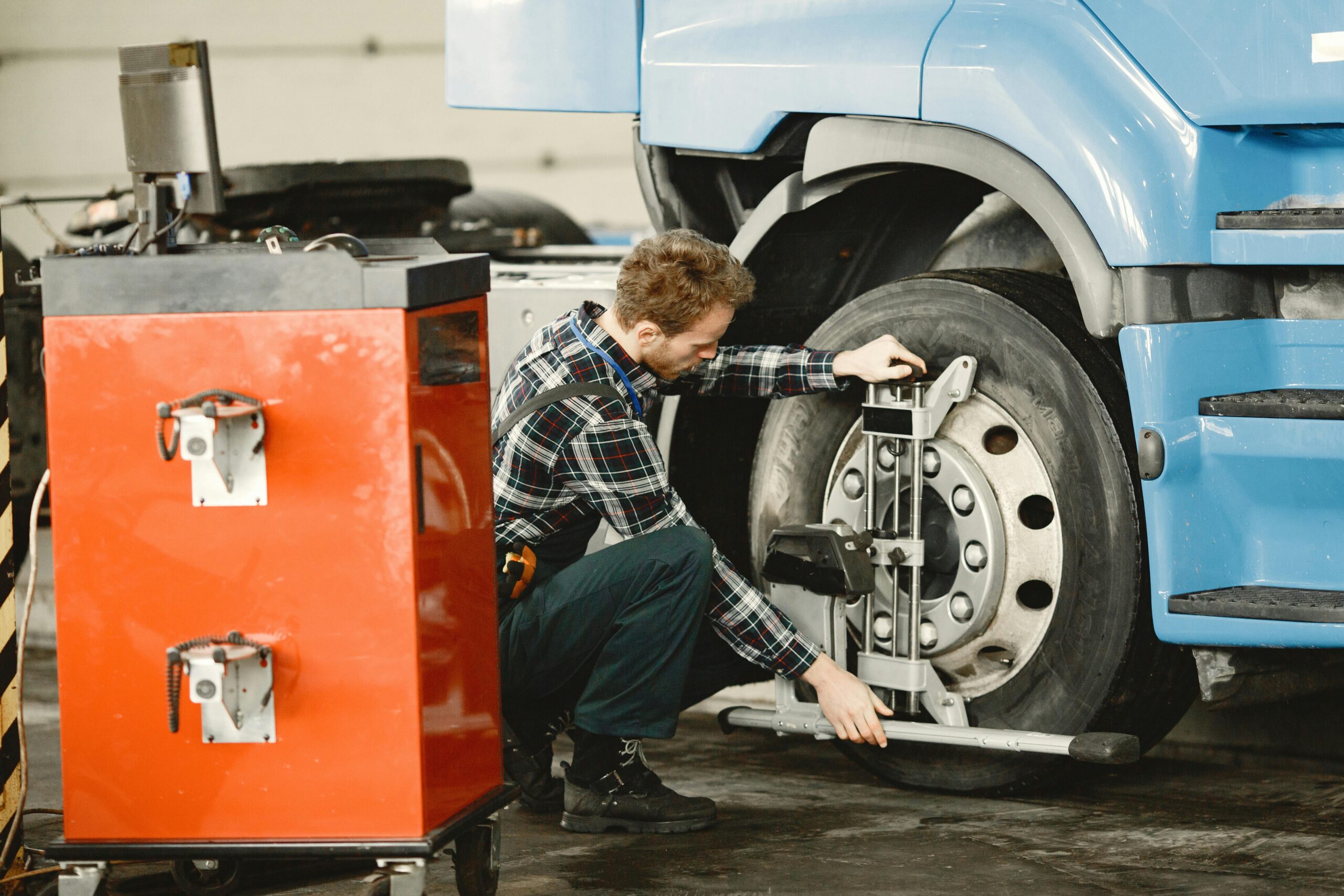
Highway driving should be smooth and predictable. However, many drivers experience unsettling vibrations at higher speeds that make long trips uncomfortable and even unsafe. These vibrations often aren’t caused by your car’s suspension or tires alone—they’re frequently a sign that your wheels are out of balance. One of the most effective solutions is road force balancing repair, a modern approach that ensures your wheels rotate perfectly under real-world conditions.
Understanding Highway Speed Vibrations
Highway speed vibrations are typically felt through the steering wheel, floorboard, or seat. They often appear between 50 to 70 mph and can worsen with speed. Ignoring these vibrations can lead to:
- Premature tire wear
- Suspension damage
- Reduced fuel efficiency
- Uncomfortable driving experience
While traditional wheel balancing may solve minor issues, it often fails to address more complex problems caused by tire and wheel inconsistencies. That’s where road force balancing repair comes in.
What Is Road Force Balancing Repair?
Unlike standard wheel balancing, road force balancing repair uses a specialized machine to simulate road conditions. This process measures the force required to rotate the tire and wheel assembly and identifies high spots or uneven stiffness. The machine then compensates for these irregularities, ensuring your wheels are balanced not just in a static position, but dynamically as they would behave on the road.
Key benefits include:
- Accurate identification of tire and wheel inconsistencies
- Reduction of vibrations at highway speeds
- Longer tire life due to even wear
- Enhanced ride comfort and handling
Signs You Need Road Force Balancing Repair
If you notice any of the following while driving on highways, it may be time for road force balancing repair:
- Steering Wheel Vibrations – Shaking felt primarily in the steering wheel between 50-70 mph.
- Seat or Floorboard Vibrations – Shaking felt throughout the car, not just the steering wheel.
- Uneven Tire Wear – Tires wearing faster on one side or showing cupping patterns.
- Suspension Noise or Issues – Worn suspension components exacerbated by unbalanced wheels.
Addressing these problems promptly with road force balancing repair can prevent costly repairs and improve driving safety.
How Road Force Balancing Repair Works
- Initial Inspection – A technician checks your tires and wheels for visible damage, uneven wear, and alignment issues.
- Road Force Test – Using a road force balancer, the wheel is spun against a drum that measures irregularities in force and stiffness.
- Adjustment – The machine identifies precise weights and positions to correct the imbalance, sometimes recommending tire rotation or replacement if necessary.
- Final Test – Wheels are re-tested to confirm that the vibrations are minimized and balance is optimized.
This process ensures that your tires and wheels are not just balanced but optimized for real-world driving conditions, making long highway drives smoother and safer.
Why Road Force Balancing Repair Is Superior
Traditional wheel balancing uses small weights attached to the rim to counteract uneven weight distribution. While effective for minor imbalances, this method cannot address:
- Internal tire defects
- Stiff spots or radial runout
- Subtle wheel deformations
Road force balancing repair detects these hidden issues and corrects them, which is why it’s often recommended for high-performance vehicles, trucks, or any car experiencing persistent highway vibrations.
Additional Tips for a Smooth Ride
While road force balancing repair solves most vibration problems, combining it with regular vehicle maintenance enhances its effectiveness:
- Tire Rotation – Rotating tires every 5,000–7,000 miles ensures even wear.
- Alignment Checks – Proper alignment reduces strain on suspension components.
- Suspension Inspection – Worn shocks, struts, or bushings can worsen vibration issues.
- Tire Pressure Maintenance – Keeping tires at recommended pressures improves balance and extends tire life.
By following these practices alongside road force balancing repair, you can enjoy a comfortable, stable ride at highway speeds.
When to Seek Professional Help
Persistent vibrations, uneven tire wear, or unusual handling should not be ignored. If these issues are present, schedule a professional road force balancing repair as soon as possible. A qualified technician can:
- Diagnose hidden wheel or tire issues
- Optimize wheel balance for real driving conditions
- Recommend additional maintenance if necessary
Waiting too long can lead to expensive repairs, reduced safety, and a less comfortable driving experience.
Conclusion
Highway speed vibrations are more than just a nuisance—they’re a warning sign that your wheels may not be balanced correctly. Road force balancing repair offers a precise, modern solution that goes beyond traditional wheel balancing, correcting subtle tire and wheel issues that cause vibrations.
By addressing these problems early, you can extend tire life, protect your suspension, and enjoy a smooth, comfortable drive. Don’t let highway vibrations compromise your safety or comfort. Schedule a road force balancing repair today and get back to enjoying effortless driving.