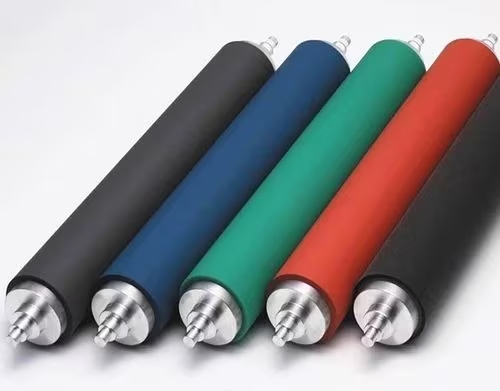
In the printing industry, maintaining consistent print quality depends on the proper functioning of several components inside the printing press. One of the most important parts responsible for maintaining the correct water and ink balance is the Dampening Roller. This roller plays a vital role in offset printing by applying a controlled amount of water to the printing plate, preventing ink from sticking to non-image areas.
However, like any mechanical component, dampening rollers experience wear and tear over time. If they are not replaced at the right time, they can cause print defects, production delays, and increased maintenance costs. Understanding the warning signs of a worn or damaged roller can help printing businesses maintain efficient operations.
Decline in Print Quality
One of the earliest signs that a roller needs attention is a noticeable decline in print quality. When a roller begins to wear out, it may fail to distribute water evenly across the printing plate. This imbalance can lead to problems such as uneven ink coverage, smudging, or unwanted marks on printed materials.
Operators may also notice variations in color consistency during long print runs. These issues often indicate that the roller surface is no longer functioning as intended and may require replacement.
Uneven Water Distribution
Proper water distribution is essential for maintaining the correct balance between ink and water during printing. If the roller surface becomes worn or damaged, it may not apply water evenly across the plate.
This can result in areas that receive too much water and others that receive too little. As a result, the printing process becomes unstable and may produce blurred or inconsistent results. Regular inspection of the roller surface can help identify these issues before they affect production.
Surface Cracks or Hardening
Over time, rubber rollers may develop visible cracks, cuts, or hardened surfaces due to constant friction, pressure, and exposure to chemicals used in printing processes. These physical changes reduce the roller’s ability to maintain proper contact with the printing plate.
A damaged surface prevents the roller from transferring water efficiently, which directly impacts print accuracy. In such cases, replacing the roller becomes necessary to restore optimal machine performance.
Increased Machine Vibrations or Noise
Another common sign of roller wear is unusual vibration or noise during machine operation. When the roller loses its original shape or becomes uneven due to prolonged use, it may rotate irregularly within the machine.
This irregular movement can create vibrations that affect the entire printing system. If operators notice increased noise or shaking during printing operations, it may indicate that the roller is no longer balanced properly.
Frequent Ink and Water Balance Issues
Printing operators sometimes spend extra time adjusting the water and ink levels during printing runs. If these adjustments become frequent and the problem persists, the issue may be related to roller wear.
A worn roller cannot maintain the stable balance required for smooth printing. This forces operators to constantly recalibrate machine settings, reducing productivity and increasing downtime.
Reduced Roller Elasticity
Rubber rollers are designed to maintain a certain level of elasticity to ensure proper contact with other rollers and surfaces within the machine. As the material ages, it can lose flexibility and become rigid.
Reduced elasticity affects the roller’s ability to maintain consistent pressure across the printing plate. When this happens, replacing the roller becomes necessary to ensure accurate printing results.
Importance of Timely Replacement
Replacing worn rollers at the right time is essential for maintaining efficient printing operations. Delaying replacement can lead to larger mechanical problems, increased maintenance costs, and inconsistent print output.
Many printing companies prefer sourcing rollers from a reliable rubber roller manufacturer in delhi because experienced manufacturers understand the precise specifications required for printing machinery. High-quality rollers designed with durable materials can significantly improve machine performance and longevity.
Conclusion
Dampening rollers play a crucial role in maintaining consistent print quality and ensuring smooth operation in printing machines. Over time, signs such as declining print quality, uneven water distribution, surface damage, and increased machine vibrations indicate that the roller may need replacement.
By identifying these warning signs early and replacing worn rollers promptly, printing businesses can maintain productivity, reduce downtime, and achieve better printing results. Regular maintenance and high-quality replacement components ensure that printing machines continue to operate at peak efficiency.