

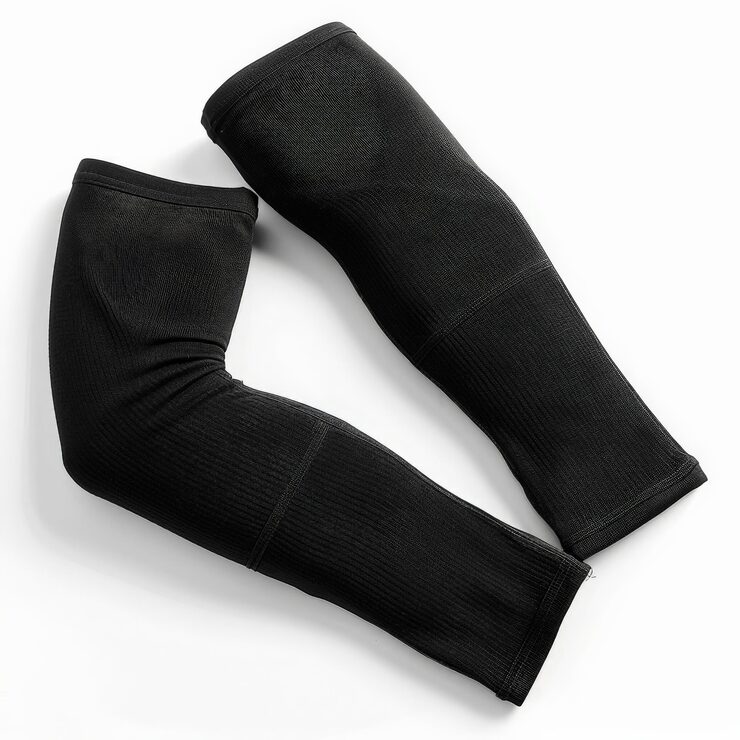
The experience of long flights makes you feel exhausted, and this effect becomes stronger as you age. You will experience swollen ankles and heavy arms together with an uncomfortable rigid sensation that occurs when you stand up at baggage claim.
The experience goes beyond simple exhaustion, because your body has developed a circulation problem that results from your extended time in a seated position at high altitudes.
Most people accept the situation because it creates frustration, which is the most annoying aspect of it. The compression sleeve for flight is one of the simplest solutions available, yet most senior travellers have not experienced its benefits.
Why Flying Gets Harder as You Get Older
The body retains water because of the combination of dry air and lower cabin pressure at flying altitude. The human body experiences swelling because ageing causes veins to become less elastic while blood-pumping muscles lose their strength.
The duration of swelling after a flight extends because of this condition. The condition has the potential to increase deep vein thrombosis (DVT) risk in some situations.
You may feel stronger effects if you:
- Are over 60
- Have varicose veins or past blood clots
- Live with diabetes or heart conditions
- Cannot move much during the flight
If any of that sounds familiar, keep reading.
What Does a Compression Sleeve Actually Do?
The sleeve applies gentle pressure to your limb, firmer at the bottom, lighter as it moves up. The gradient creates a force which pushes blood through your body while preventing it from collecting in your wrist and ankle and foot areas.
The treatment has no effect on medical conditions. The treatment helps your body stay active when it cannot move by itself.
The pressure which operates through your arm or leg will stay active for the entire period of your flight. First-time users experience surprise when they discover the landing results in significant changes to their body.
Arm Sleeves vs Leg Sleeves — Which Do You Need?
Most travellers link compression with leg swelling. That is common on flights. However, arm swelling also affects many older travellers.
For the Arms
Compression sleeves for arms cover the forearm and sometimes the upper arm. They are lighter and easier to wear than leg options. They can also support travellers who have had lymph nodes removed after treatments such as breast cancer.
For the Legs
You usually choose between knee-high compression socks or calf sleeves. Full socks support the foot and ankle, where swelling often begins. However, calf sleeves with zips or open toes can be easier to put on if tight socks feel difficult.
How to Pick the Right Compression Sleeve for Your Flight
Many travellers choose a sleeve without checking if it fits their needs. Yet a few factors matter.
- Compression level: Compression is measured in mmHg. For most seniors, 15–20 mmHg provides good support without discomfort. Ask your doctor if you are unsure.
- Correct size: A loose sleeve gives little support, while a tight one may affect circulation. Measure the widest part of your arm and follow the brand’s size chart.
- Breathable fabric: Flights can feel warm, so choose sleeves made from nylon or spandex blends for better comfort.
- Easy to wear: if hand strength is limited, look for sleeves with zip designs or donning aids for easier use.
When Should You Put It On?
Wear your compression sleeve before leaving home, not at the airport or on the plane. Morning is best, before swelling starts. Once fluid settles in the limbs, compression becomes less effective.
A simple pre-flight routine:
- Put on the sleeve while getting dressed
- Drink a glass of water before leaving
- Walk around the airport instead of sitting for long
- Do small seated stretches like ankle rolls or shoulder rolls
Keep the sleeve on 30–60 minutes after landing. Circulation still needs support while you wait for luggage and move through the airport.
Situations Where You Should Avoid Using Compression Sleeves
A compression sleeve for elderly during flights with 15–20 mmHg pressure are safe to use. However, a few situations require medical advice first. If you have peripheral artery disease, compression may reduce blood flow instead of helping.
You should also avoid using one if you have open wounds, skin infections, or severe swelling linked to a medical condition. For most people, simply mentioning it to your GP is enough to stay on the safe side, especially if you take blood thinners or have heart issues.
Common Mistakes That Reduce How Well They Work
Even with the right sleeve, it is easy to undo the benefits without realising it.
- Rolling or folding the top of the sleeve down: This creates a tight band that restricts circulation at exactly the wrong point
- Buying without measuring: One-size-fits-all products rarely fit well enough to be useful
- Taking it off mid-flight: If it is comfortable, leave it on for the whole journey
- Ignoring discomfort: numbness, tingling, or skin that looks discoloured, means the sleeve is too tight and needs to come off
Other Things That Help on Long Flights
A compression sleeve for elderly during flights provides substantial assistance to users, although basic habits lead to higher comfort results.
Choose Your Seat Wisely
Passengers who select an aisle seat gain better access to walk through the plane during their journey. The exit rows and bulkhead seats provide passengers with additional room to extend their bodies.
Stay Hydrated
Dehydration occurs because dry cabin air produces fluids that leave the body, which leads to reduced blood flow. The passengers should consume water in small quantities throughout their entire flight.
Move While Seated
The body needs basic movements to maintain healthy blood circulation. The 30-minute schedule should include ankle rolls, gentle knee lifts and foot pressing into the floor exercise.
Dress Comfortably
People should not wear clothes that apply pressure to their waist or knee areas. Loose clothing helps blood flow and keeps you more comfortable during the journey.
How Long Can You Wear It?
The recommended approach for a long-haul flight requires passengers to wear compression sleeves for arms throughout their flight. The only reason to remove the garment occurs when it starts to cause discomfort.
You should maintain your current position until you reach your terminal and baggage claim area and your final destination. Afterward, you can remove it to allow your body to unwind.
The 12-hour mark of wearing the product is when its normal function starts to occur. The sleeve operates as intended.
Conclusion
The experience of flying during your senior years does not require you to endure multiple days with swollen legs and heavy arms. The small size of a compression sleeve for flight creates a significant impact because users find it essential for their long-distance flights.
The user needs to verify that the compression level meets requirements while taking accurate measurements for proper fit and needs to put on the device before leaving their residence.
The combination of water intake, movement activities, and choosing a comfortable seat position creates optimal conditions for reaching your destination while maintaining your well-being.
FAQs
Do compression sleeves help during flights?
Yes. Compression sleeves create light pressure, which improves blood flow through the arm. This effect helps to decrease swelling and muscle exhaustion which occurs during extended flights.
Can seniors wear compression sleeves for long flights?
Most seniors can use arm compression sleeves during travel without safety concerns. People with medical conditions which affect blood flow should consult their doctor before using this treatment.
When should you wear a compression sleeve for a flight?
The sleeve should be worn before boarding or at least before the flight starts. This method maintains consistent blood flow during the entire flight duration.
Are compression sleeves comfortable for elderly travellers?
Most travel sleeves use breathable stretch fabric. The design allows users to stay comfortable for multiple hours while maintaining their ability to move freely.