

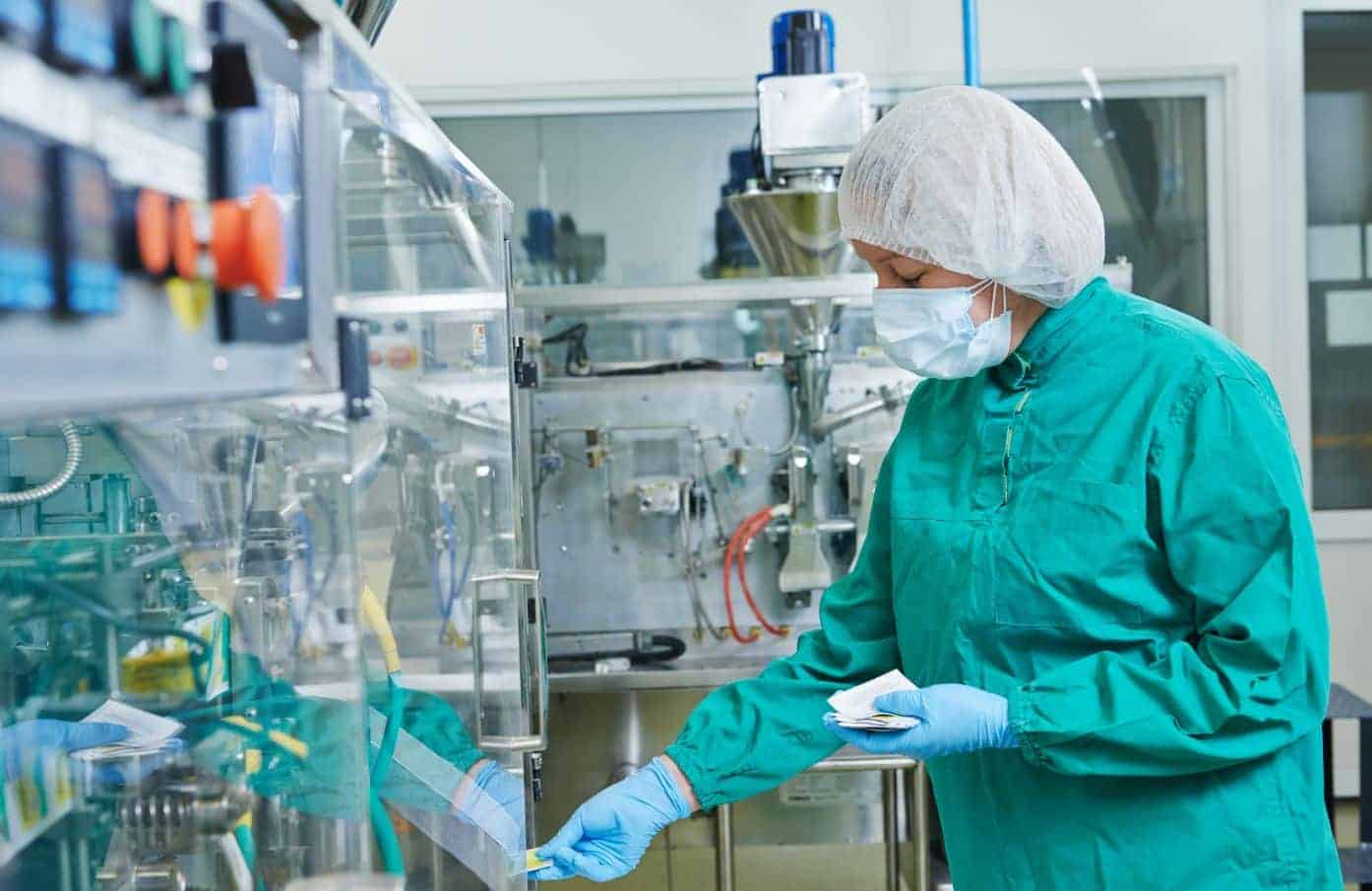
Transferring a product that is therapeutic from the laboratory into a controlled manufacturing setting demands a well-organized and controlled procedure. For gene and cell therapy, this is particularly crucial because biological systems need the highest level of precision and coherence.
In the process of development, every stage is built upon the one before it to ensure that the innovation not only works but is also scalable. If you have the proper process development services, you are able to translate your early findings into reliable and safe manufacturing systems.
The Importance of Process Development in Therapeutics
In the beginning, the focus is on the discovery process and its validation. But the initial results should be transformed into repeatable processes that are able to withstand scrutiny by regulators.
The most important aspects of the stage are:
- Production through research.
- Consistent process flow.
- Stages of development are controlled.
- Methods for scientific scaling.
- Systems aligned with regulatory requirements.
- An approach to quality.
As time passes and you progress, your focus shifts to uniformity, documentation, and accountability. It is essential to make sure that each stage of your workflow is repeatable with the same result.
Early Research and Feasibility Assessment
In this stage, the aim is to verify that the therapeutic method you are using works in controlled environments. It is possible to work with flexible methods and small samples with a focus on determining the biological mechanisms.
Fundamental research components:
- Proving the concept.
- Testing on laboratory scales.
- Flexible process design.
- Initial variable mapping.
- The validation of a biological pathway.
Although this phase may be exploratory, it’s essential to document the process properly. Recognizing the most critical variables earlier will allow you to establish the foundation to later optimize.
Process Optimization and Scale Up
When feasibility has been established, then your focus is on improving the procedure. Optimization is about increasing yield, decreasing variability, and standardizing the process.
Important considerations during optimization:
- Strategies for improving yield.
- Workflow design that can be scaled.
- Checks for compatibility of equipment.
- Systems that reduce variability.
- Efficient production scaling.
Growing up brings new challenges. Situations that work well in small laboratories may not translate immediately to a larger-scale system. Consider aspects like the equipment used, conditions in the culture, and the automation.
Analytical Development and Quality Control
When your procedure is more defined, it is essential to have reliable techniques for evaluating the quality of the product. Analytical development concentrates on the creation of assays to test for authenticity, purity, effectiveness, and security.
Elements of analytic development are:
- Assay method development.
- Testing the quality of products.
- Consistency checks for batches.
- Security validation protocols.
- Data-driven validation.
Quality control is an essential element of your process from this point on. It is essential to establish testing protocols and validation techniques that conform to the expectations of the regulatory authorities.
Technology Transfer to Manufacturing
This process needs detailed documents and a clear line of collaboration between groups. It is essential to ensure that your process is consistent when you change the setting.
Important transfer specifications:
- Documentation of the process in detail.
- Collaboration across teams.
- Planning for equipment adaptation.
- Continuous process replication.
- Risk mitigation strategies.
The standard operating procedure plays a crucial role in decreasing the chance of a reversal. The successful transfer of technology lowers the risk of failure and assures that your procedure is reproducible on a larger scale.
Transition to cGMP Manufacturing
The achievement of cGMP manufacturing is an important step in the process of development. In this phase, your procedure must be in compliance with stringent regulations that assure the safety of your product and its good quality.
This stage is focused on ensuring compliance:
- Systems that are compliant with the regulations.
- Manufacturing environments that are controlled.
- Production processes that are validated.
- Strict documentation practices.
- Reproducibility of batches is guaranteed.
- Integration of quality assurance.
Every deviation could affect the approval of regulatory agencies and hinder the development of the clinical trial. When you are cGMP ready, it shows that your method is advanced and able to support commercial and clinical production.
Integrating IP Protection Throughout Development
Your formulations, methods, and techniques are important assets that must be protected. IP Protection ensures that your ideas are safe from unauthorized usage.
The most important IP concerns:
- Patent filing strategies.
- Confidential data handling.
- Secured process that is proprietary.
- Legal risk reduction.
- Protection of ownership rights.
- Building competitive advantage.
Consider Intellectual property strategies at the beginning of the process of development. These include patent filings as well as confidentiality and a proper approach to managing data.
The Role of iPSC Haplobank in Scalable Solutions
An iPSC haplobank provides a viable solution through the provision of a database of stem cell lines that have different genetic profiles. This method increases the likelihood that donor cells will be matched with recipients.
The main advantages:
- Immune rejection is reduced.
- Available cell phone service.
- Speedier production times.
- Scalable models for therapy.
- Patient access has improved.
Utilizing pre-defined cells, you are able to cut down on production times and speed up the production process. This allows for the creation of commercially available treatments and makes them much more readily available.
Commercial Manufacturing and Lifecycle Management
Once you have cGMP ready and cGMP certification, the process is now ready for commercial manufacturing. The next stage is focused on the production of large-scale quantities as well as supply chain management and continuous verification.
The management goals:
- Large-scale production.
- Coordination of the supply chain.
- Continuous improvement of the process.
- Monitoring systems for performance.
- Long-term viability.
An effective development framework lets the company adjust to changing conditions without impacting the quality of its product. This will ensure long-term success in a highly competitive and controlled market.
The Reputable Process Development Services
Selecting the right company can ease your process to transfer your research out of the laboratory to a controlled environment. Xellera Therapeutics offers comprehensive Process Development Services that will assist your development at all stages.
Why Xellera Therapeutics:
- Decades of expertise.
- Top-notch therapies.
- Scalable solutions.
- Proper development process.
- Ensuring quality and conformity.
Conclusion
Focusing upon structured growth, including IP Protection and using technologies like the iPSC haplobank system, you are able to create a solid path to commercialization. This method speeds up the pace of progress. It also guarantees that your treatment is accessible to patients at the top level in terms of quality. Finally, visit Xellera Therapeutics to learn how their integrated approach can support your next step.