

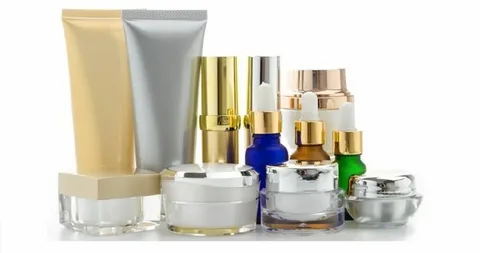
The Ultimate Guide to Launching a Profitable Brand with Private Label Skin Care
The global beauty industry is undergoing a massive transformation. Gone are the days when a handful of legacy corporations controlled what consumers put on their faces. Today, the rise of private label skin care has democratized the market, allowing independent entrepreneurs to launch professional-grade products without owning a single laboratory or mixing vat.
If you have ever dreamed of seeing your logo on a bottle of organic serum or a high-end moisturizer, there has never been a better time to start. In this 1,200+ word guide, we will break down the mechanics of the industry, the legalities of manufacturing, and the secret sauce to making your brand stand out in a crowded digital shelf.
What is Private Label Skin Care?
Before diving into the “how,” let’s define the “what.” Private label skin care refers to products manufactured by a third party—usually a specialized cosmetic lab—that are then rebranded and sold under your company’s name.
Unlike “white labeling,” which often involves generic formulas sold to hundreds of retailers, many private label manufacturers today offer “semi-custom” options. This allows you to choose specific scents, textures, or hero ingredients (like Vitamin C or Hyaluronic Acid) to ensure your brand feels unique.
Why Choose Private Labeling Over DIY?
- Compliance: Professional labs handle the heavy lifting of safety testing and stability trials.
- Scalability: You can go from 100 units to 10,000 units without worrying about kitchen-table logistics.
- Speed to Market: You can launch a full line in weeks rather than the years it takes for custom formulation.
Why the Beauty Market is Booming in 2026
The beauty industry is famously “recession-proof.” Even during economic downturns, consumers tend to maintain their self-care routines. However, the 2026 market is driven by three specific pillars:
The Clean Beauty Standard
Modern shoppers demand transparency. They want to see “Paraben-Free,” “Cruelty-Free,” and “Sustainably Sourced” on the label. High-quality private label skin care providers now prioritize these “clean” standards as a baseline.
The Influence of Social Proof
With TikTok and Instagram Reels, a single “get ready with me” (GRWM) video can sell out an entire inventory. Small brands have the agility to tap into these viral trends faster than global conglomerates.
High Customer Lifetime Value (LTV)
Once a customer finds a skin care product that works for them, they are likely to buy it every 4–8 weeks for years. This recurring revenue is the holy grail of e-commerce.
How to Identify Your Profitable Niche
You cannot be everything to everyone. To succeed in private label skin care, you must solve a specific problem for a specific person.
Examples of High-Growth Niches:
- Men’s Grooming: Targeted anti-aging for men or beard-specific care.
- Menopausal Skin: A rapidly growing demographic looking for hydration and collagen support.
- Teen Acne: Budget-friendly, dermatologist-backed formulas for Gen Z and Gen Alpha.
- Eco-Luxury: High-performance products in zero-waste, glass packaging.
Finding the Right Manufacturing Partner
Your manufacturer is more than a vendor; they are your silent partner. When sourcing private label skin care, you must vet them rigorously.
Key Questions to Ask:
- Are you FDA Registered? Cosmetics aren’t “approved” by the FDA, but the facility should be registered and follow Good Manufacturing Practices (GMP).
- What are your MOQs? Minimum Order Quantities (MOQs) can range from 50 units to 5,000. Start small to test the market.
- Do you provide samples? Never buy a bulk order without testing the texture, scent, and “slip” of the product on your own skin.
Navigating the Legal and Safety Landscape
The cosmetic industry is regulated to ensure consumer safety. While your manufacturer handles the formula, you are responsible for how you market it.
Avoid “Drug” Claims
One of the biggest mistakes new brands make is claiming their product “cures eczema” or “treats acne.” In the eyes of the law, these are medical claims. Instead, use cosmetic language like “soothes dry skin” or “targets the appearance of blemishes.”
The INCI List
Ensure your labels accurately reflect the International Nomenclature Cosmetic Ingredient (INCI) names in the correct order (from highest concentration to lowest).
Developing Your Brand Identity
In the world of private label skin care, the packaging is often just as important as the product inside.
Minimalist vs. Maximalist
- Minimalist: Think “The Ordinary” or “Glossier.” Clean fonts, lots of white space, and a medical or clinical feel.
- Maximalist: Bold colors, gold foil, and intricate patterns that signal luxury and indulgence.
The “Unboxing” Experience
In 2026, the box your product comes in is a marketing tool. Sustainable packaging, like bamboo or post-consumer recycled (PCR) plastic, is a major selling point for modern consumers.
Pricing Strategies for Maximum Profit
How do you price a product that cost you $4 to make?
- Premium Pricing: $40–$80. This requires high-end branding and perhaps a unique story or rare ingredient.
- Masstige (Mass-Prestige): $15–$35. This targets the average consumer looking for quality without the luxury price tag.
Pro-Tip: Always factor in the cost of shipping and customer acquisition (ads) before setting your final price.
Marketing: How to Get Your First 100 Sales
The “build it and they will come” strategy does not work in e-commerce. You need a proactive launch plan.
Use Micro-Influencers
Don’t aim for celebrities. Aim for “Skin-fluencers” with 5,000–20,000 followers. Their audience is highly engaged and trusts their recommendations deeply.
Content Marketing & SEO
Write blog posts about skin care routines and ingredient benefits. By educating your audience, you build authority. This guide itself is an example of how high-value content can drive interest in private label skin care.
Scaling Beyond the First Product
Once your hero product (like a face oil) is selling, don’t stop there.
Upselling and Cross-selling
If they bought a cleanser, they need a toner. If they bought a moisturizer, they need an SPF. Building a “system” increases your average order value (AOV) and keeps customers coming back to your brand specifically.
The Future: AI and Customization
By the end of 2026, we expect to see more AI-driven skin consultations that recommend specific products from your line based on a user’s photo. Staying ahead of these tech trends will ensure your private label brand remains relevant.
Conclusion
Building a brand through private label skin care is a journey of creativity and commerce. It allows you to skip the expensive R&D phase and jump straight into what matters: connecting with customers and building a community. While the market is competitive, the demand for high-quality, specialized beauty solutions is only growing. Start small, focus on quality, and tell a story that resonates.
Frequently Asked Questions
1. Is private label skin care safe?
Yes, provided you work with a reputable, GMP-certified manufacturer. These labs follow strict safety protocols and stability testing to ensure the products are shelf-stable and safe for topical use.
2. Can I change the ingredients in a private label formula?
Most manufacturers offer “stock formulas” (no changes) or “customizable formulas” where you can add specific extracts or scents for an additional fee.
3. Do I need insurance to sell skin care?
Absolutely. Product liability insurance is essential for any business selling topical products to protect against potential allergic reactions or claims.
4. How much does it cost to start a private label skin care line?
A modest start with 100-200 units of a single product can cost between $1,500 and $3,000, including branding and basic website setup.
5. How long does the process take?
From the moment you select a formula and approve your artwork, production usually takes 4 to 8 weeks, depending on the manufacturer’s current queue.