

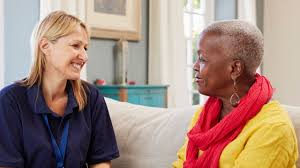
Healing after surgery takes time, patience, and the right support. Post-Operative Care helps a person feel safe and comfortable while the body heals. After a hospital stay, many people feel weak, tired, or unsure about what to do next. Some may have stitches, bandages, or special medicine to take. Others may need help walking, bathing, or preparing meals. When proper care is given at home, recovery becomes smoother and less stressful for both the patient and their family.
In Canada, families often search for safe home recovery support because hospitals discharge patients sooner than before. People want care that feels personal and kind. Post-Operative Care at home focuses on comfort, safety, and steady healing. It includes help with wound care, medication reminders, mobility support, and monitoring for warning signs. Simple things like keeping the room clean, helping someone sit up slowly, and ensuring healthy meals can prevent problems.
Many surgeries such as knee replacement, hip surgery, heart procedures, or abdominal operations require close follow-up care. Without proper attention, small issues can become bigger health concerns. That is why having trained caregivers who understand post-surgery recovery is important. Live Well Path Way provides compassionate support designed to reduce stress and support safe healing in familiar surroundings. Home recovery allows patients to rest better, sleep peacefully, and regain strength step by step.
What Is Included in Post-Operative Care?
Post-Operative Care covers every part of healing after surgery. The first and most important part is monitoring health. Caregivers check temperature, breathing, and pain levels. They look for redness, swelling, or unusual discharge around surgical wounds. Early detection of infection helps avoid hospital readmission. Keeping the wound clean and dry is a key step in safe healing.
Medication support is another essential part. After surgery, doctors often prescribe antibiotics, pain relief, or blood thinners. Missing a dose can slow recovery. Taking too much can also be harmful. Gentle reminders and clear tracking keep everything safe. Nutrition is equally important. The body needs healthy food rich in protein, vitamins, and fluids to rebuild tissue and regain energy. Simple home-cooked meals often support healing better than processed foods.
Mobility support reduces the risk of falls. Many patients feel dizzy or weak when standing. A trained caregiver offers steady support during short walks and light movement. This improves blood flow and prevents stiffness. Emotional support also plays a major role. After surgery, some people feel worried or low in mood. Kind conversation and reassurance can improve mental well-being.
Families in Canada often look for home health care services that provide complete recovery assistance. Live Well Path Way understands that every recovery journey is unique. Care plans are shaped to match personal health needs, ensuring that each step forward feels safe and confident.
Why Home Recovery Is Often the Best Choice?
Home is a place of comfort. Familiar surroundings reduce stress and help the mind relax. Stress can slow healing, so a calm space supports the body’s natural repair process. Post-Operative Care at home allows patients to follow medical advice while staying close to loved ones. Family members can stay involved without feeling overwhelmed because trained caregivers guide the process.
Hospitals are busy environments. At home, there is less noise and fewer interruptions. Better sleep leads to stronger immunity and faster tissue repair. Simple daily routines like bathing safely, wearing clean clothes, and changing bed linens help prevent infection. Caregivers also ensure that the home environment is safe by removing trip hazards and arranging easy access to essential items.
Transportation to follow-up appointments is another concern after surgery. Some people cannot drive or travel alone. Having assistance ensures that medical visits are not missed. Rehabilitation exercises are often part of recovery. Gentle, guided movements at home improve strength and flexibility without strain.
Across Canada, families search for reliable surgical recovery care that feels personal and dependable. Choosing experienced home support means fewer complications and more peace of mind. Live Well Path Way focuses on creating a smooth healing journey where safety and dignity always come first.
Signs That Extra Support Is Needed After Surgery
Some people recover quickly, while others need more time. Knowing when extra help is needed can protect health. If pain increases instead of decreases, it may signal a problem. Fever, chills, heavy swelling, or unusual discharge from a wound should never be ignored. Difficulty breathing or chest discomfort requires urgent attention. Proper Post-Operative Care ensures these warning signs are recognized early.
Older adults often need added support because healing can take longer with age. People living alone may struggle with daily tasks such as cooking or bathing. Even younger patients sometimes feel weak or anxious during the first weeks after surgery. Gentle assistance makes daily life easier and safer.
Hydration and balanced meals play a big role in recovery. Dehydration can cause dizziness and fatigue. Nutritious meals help the immune system fight infection. Light movement, guided by trained caregivers, improves circulation and lowers the risk of blood clots. Emotional reassurance also strengthens recovery. When someone feels supported, they are more confident in following care instructions.
Post-Operative Care is not only about physical healing. It is about restoring independence step by step. Families across Canada often search for home recovery care near me because they want trusted guidance close to home. With the right support, healing becomes steady, safe, and less stressful for everyone involved.
Frequently Asked Questions
1. How long does post-surgery home care usually last?
The length of care depends on the type of surgery and the person’s overall health. Some people need support for a few days, while others may need several weeks.
2. Can family members provide post-operative support alone?
Family help is valuable, but trained caregivers understand medical needs, wound care, and warning signs. Professional guidance reduces risks.
3. What surgeries often require home recovery support?
Joint replacements, heart procedures, abdominal surgeries, and major orthopedic operations often benefit from structured home care.