

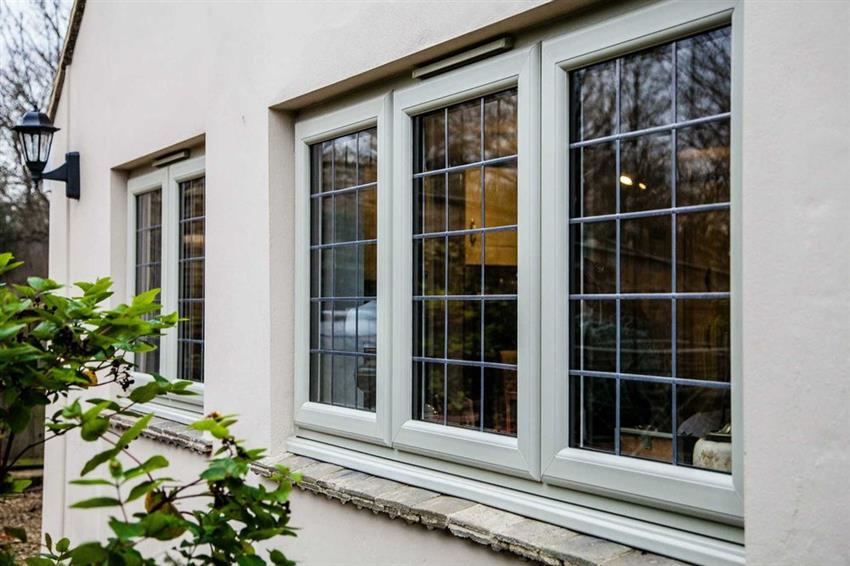
Window design plays a critical role in the housing industry, where performance and durability are now key priorities. Homeowners and developers expect solutions that offer reliability along with clean aesthetics. In this context, casement windows have gained attention for their functional design and ability to meet modern residential requirements without compromising on usability or long-term performance.
Why Casement Windows Fit Modern Residential Needs
Modern homes demand windows that are easy to operate and deliver effective ventilation. Casement Windows open fully, allowing better airflow and controlled air movement inside living spaces. The design also ensures a tighter seal when closed, which helps reduce air leakage and improves indoor comfort. This combination of usability and performance makes such windows suitable for contemporary residential layouts.
Precision Manufacturing and Pre-Engineered Window Systems
Residential projects are increasingly adopting factory-made window systems. Pre-engineered windows ensure that most of the fabrication is completed in controlled environments, leading to higher accuracy. This approach reduces dependency on site work and improves installation efficiency. Consistent manufacturing also ensures uniform performance across multiple units within a project.
Performance Expectations in Modern Homes
Modern residential spaces require windows that perform consistently under different environmental conditions. Key performance factors include:
- Air tightness to reduce unwanted airflow
- Water resistance to prevent leakage during heavy rainfall
- Sound insulation to minimise external noise
- Sealing systems, such as gaskets, for improved performance
These factors directly influence indoor comfort and help maintain a stable living environment throughout the year.
Must Read: Modern French Window Design for Small Spaces and Apartments
Minimal Design and Larger Glass Areas
Residential design has moved towards cleaner lines and open visual spaces. Slim profiles and larger glass sections allow more natural light to enter indoor areas. This approach enhances visibility and supports a modern architectural style. A balanced design ensures that visual appeal does not affect structural strength or functionality.
Material Shift Towards Aluminium-Based Systems
Material selection plays an important role in long-term performance and maintenance. Modern residential projects are increasingly adopting materials that offer both strength and reliability. Key advantages include:
- High strength and durability
- Resistance to corrosion and varied weather conditions
- Low maintenance requirements over time
- Recyclability and long service life
- Growing use of Aluminium Windows in modern residential projects
These factors make aluminium a practical choice for the evolving needs of the housing industry.
Conclusion
Residential window design continues to evolve with a clear focus on performance, precision, and simplicity. Selection now depends on how well a window supports daily use and long-term reliability. As design expectations grow, well-engineered solutions remain central to creating efficient and comfortable living spaces.