
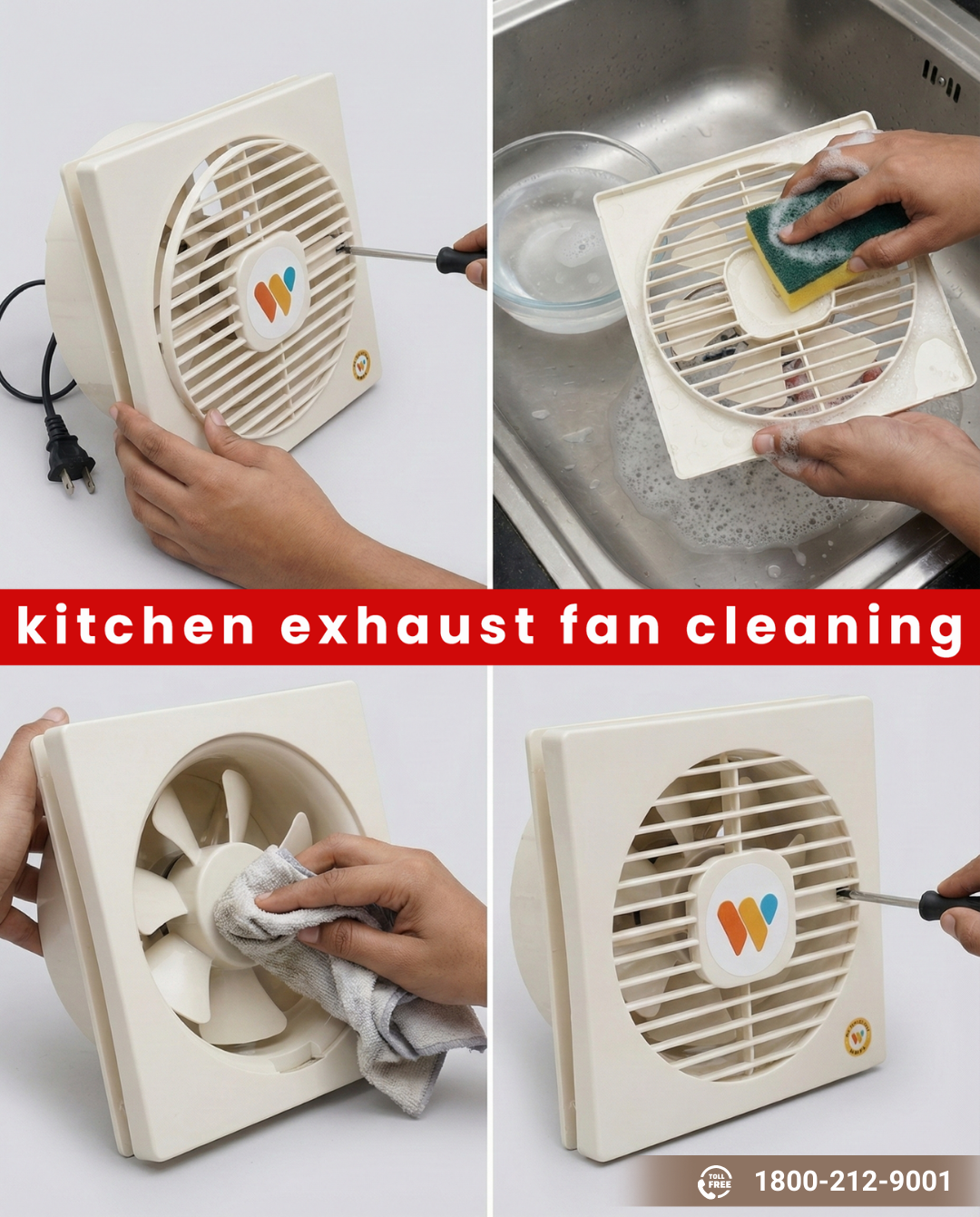
A kitchen exhaust fan is one of the most important yet often neglected appliances in any home. It works tirelessly to remove smoke, grease, heat, and odors generated during cooking. Over time, however, grease particles, dust, and moisture accumulate inside the exhaust fan, reducing its efficiency and posing potential safety hazards. Regular kitchen exhaust fan cleaning is essential to maintain good indoor air quality, prevent fire risks, and ensure the appliance performs efficiently.
This comprehensive guide explains why kitchen exhaust fan cleaning is important, how often it should be done, and the best methods to clean it thoroughly and safely.
Understanding the Role of a Kitchen Exhaust Fan
The primary function of a kitchen exhaust fan is to ventilate the cooking area by expelling airborne contaminants outside or filtering and recirculating air back into the kitchen. During cooking—especially frying, grilling, and sautéing—oil droplets and smoke rise and get trapped in the fan’s filters and blades.
Without proper cleaning, these particles form a thick, sticky layer of grease that affects the fan’s suction capacity and airflow. Over time, this buildup can lead to unpleasant odors, poor ventilation, and mechanical wear.
Why Kitchen Exhaust Fan Cleaning Is Essential
Regular kitchen exhaust fan cleaning offers several benefits that go beyond simple cleanliness.
Improved Air Quality
A clean exhaust fan effectively removes smoke, moisture, and cooking fumes, preventing them from lingering in the kitchen. This helps maintain fresh, breathable air and reduces respiratory discomfort.
Fire Safety
Grease buildup is highly flammable. An unclean exhaust fan increases the risk of kitchen fires, especially when exposed to high heat during cooking.
Better Performance and Efficiency
A clean fan runs smoothly and quietly, providing better airflow and reducing strain on the motor.
Longer Appliance Life
Routine cleaning prevents excessive wear and tear, helping extend the lifespan of the exhaust fan.
Reduced Odors
Grease and food particles trapped in the fan can produce unpleasant smells. Cleaning eliminates odor-causing residue.
How Often Should You Clean a Kitchen Exhaust Fan?
The frequency of kitchen exhaust fan cleaning depends on cooking habits:
- Light cooking (2–3 times per week): Every 3–4 months
- Moderate cooking (daily meals): Every 1–2 months
- Heavy frying or frequent cooking: Every 2–3 weeks
Visible grease, reduced suction, or unusual noise are signs that cleaning is overdue.
Tools and Materials Needed for Cleaning
Before starting the cleaning process, gather the following items:
- Dishwashing liquid or degreasing detergent
- Baking soda
- White vinegar or lemon juice
- Warm or hot water
- Soft sponge or microfiber cloth
- Soft-bristle brush or old toothbrush
- Rubber gloves
- Bucket or sink
- Screwdriver (if removal is required)
Using gentle cleaning tools helps avoid damage to the fan components.
Safety Precautions Before Cleaning
Kitchen exhaust fan cleaning involves electrical components, so safety is critical:
- Turn off the exhaust fan and unplug it from the power source.
- If the fan is wired directly, switch off the circuit breaker.
- Allow the fan to cool completely before touching it.
- Wear gloves to protect your hands from grease and sharp edges.
Never clean the fan while it is connected to electricity.
Step-by-Step Process for Kitchen Exhaust Fan Cleaning
Step 1: Remove the Filter or Cover
Most kitchen exhaust fans have a detachable metal mesh filter or cover. Carefully remove it by unclipping or unscrewing it. Place any screws in a safe location.
The filter usually holds the most grease, so removing it makes cleaning easier and more effective.
Step 2: Soak the Filter in a Degreasing Solution
Fill a sink or bucket with hot water and add:
- A few drops of dishwashing liquid
- Two tablespoons of baking soda
- Optional: half a cup of vinegar for enhanced grease removal
Submerge the filter completely and let it soak for 20–30 minutes. This helps loosen stubborn grease deposits.
Step 3: Scrub and Rinse the Filter
After soaking, gently scrub the filter using a soft brush or sponge. Pay special attention to corners and mesh areas where grease accumulates.
Rinse thoroughly under running water until all soap residue is removed. Shake off excess water and allow the filter to air dry completely.
Step 4: Clean the Fan Blades
With the filter removed, the fan blades become accessible:
- Dip a cloth or sponge in warm, soapy water
- Hold the blade steady and wipe off grease carefully
- Use a toothbrush to clean tight areas
Avoid excessive water near the motor to prevent electrical damage.
Step 5: Wipe the Motor Housing
The motor area should be cleaned gently:
- Use a slightly damp cloth to wipe away grease and dust
- Do not pour water or spray cleaner directly onto the motor
If grease is heavy, repeat wiping until clean.
Step 6: Clean the Outer Casing
The outer cover or casing of the exhaust fan often accumulates grease and dust:
- Wipe it with a sponge dipped in warm, soapy water
- Use baking soda paste or vinegar for stubborn stains
- Rinse and dry thoroughly
Avoid abrasive cleaners that could scratch or discolor the surface.
Step 7: Clean the Surrounding Area
Grease often spreads to the wall and cabinets around the exhaust fan:
- Wipe nearby surfaces with a vinegar-water solution
- Dry with a clean cloth
This prevents grease from quickly settling back onto the fan.
Step 8: Reassemble the Exhaust Fan
Once all parts are completely dry:
- Reattach the filter and cover
- Secure screws firmly but gently
- Restore power and test the fan
A clean exhaust fan should operate more quietly and efficiently.
Natural and Eco-Friendly Cleaning Methods
Natural cleaners are effective and safe for regular kitchen exhaust fan cleaning.
Baking Soda
Baking soda cuts through grease without damaging surfaces. Use it as a paste or add it to soaking water.
White Vinegar
Vinegar dissolves grease and removes odors. It works well for wiping blades and casings.
Lemon Juice
Lemon juice acts as a natural degreaser and leaves a fresh scent.
These methods are budget-friendly and environmentally safe.
Common Mistakes to Avoid
- Cleaning without turning off power
- Using steel wool or harsh scrubbers
- Reinstalling wet components
- Ignoring regular cleaning schedules
- Spraying water directly onto the motor
Avoiding these mistakes ensures effective and safe cleaning.
Tips to Maintain a Clean Exhaust Fan
- Turn on the exhaust fan before cooking begins
- Wipe the fan exterior weekly
- Clean filters lightly every two weeks
- Avoid excessive oil splatter
- Use lids or splatter guards while cooking
Preventive care reduces heavy grease buildup.
Signs Your Exhaust Fan Needs Immediate Cleaning
- Persistent cooking odors
- Reduced airflow or suction
- Excessive noise during operation
- Visible grease dripping or sticking
Addressing these signs early prevents costly repairs.
When Professional Cleaning Is Needed
In cases of extreme grease buildup, motor issues, or commercial kitchen usage, professional exhaust fan cleaning may be required. Professionals use specialized degreasers and tools to clean internal components safely and thoroughly.
Conclusion
Kitchen exhaust fan cleaning is a vital aspect of home maintenance that directly affects air quality, safety, and appliance performance. With regular cleaning and proper care, your exhaust fan can efficiently remove smoke and odors, keep your kitchen fresh, and reduce fire hazards.
By following a consistent cleaning routine and using safe, effective methods, you ensure that your kitchen exhaust fan remains in excellent working condition. A clean exhaust fan not only enhances your cooking experience but also contributes to a healthier, safer home environment.