

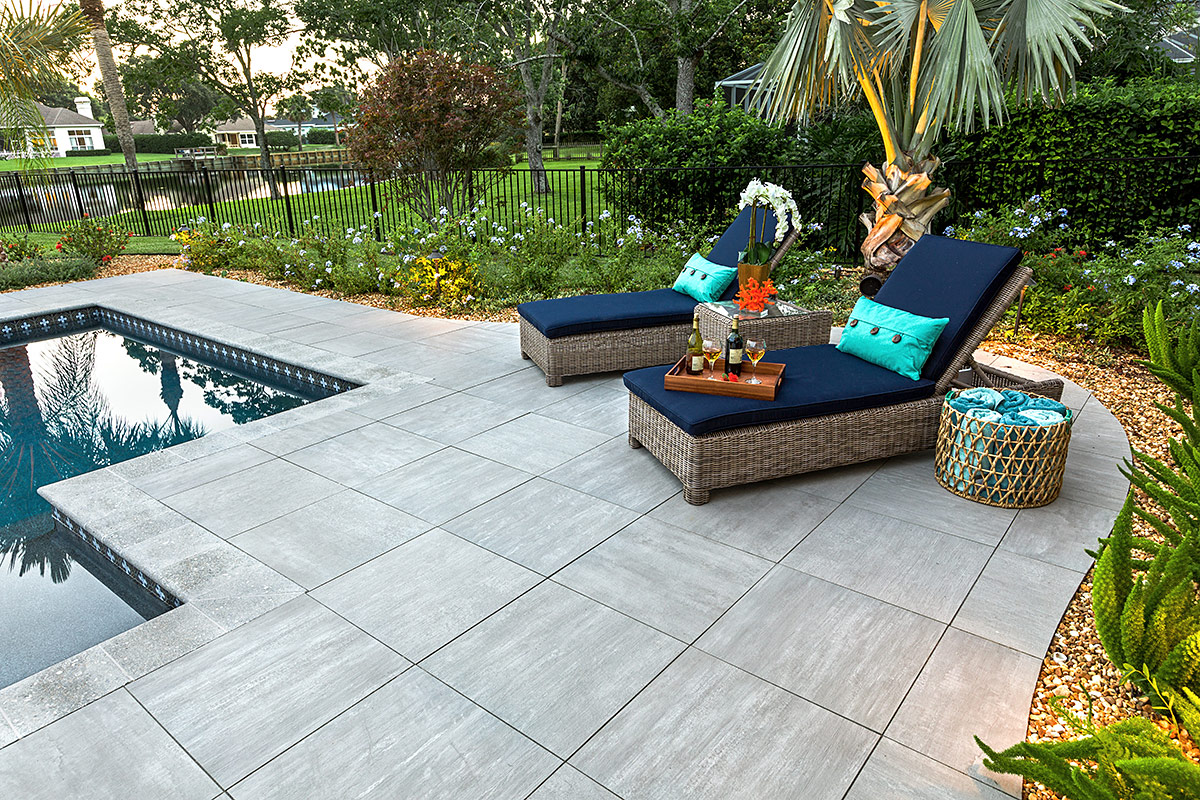
Spending time outdoors on a comfortable patio is a simple pleasure many homeowners genuinely appreciate daily. However, the presence of bees around furniture can sometimes interrupt relaxation and create unnecessary concern. Before taking action, it is important to understand why bees are naturally attracted to these areas. By recognizing their behavior, homeowners can effectively discourage bees without harming essential pollinators that support environmental balance.
Bees are instinctively drawn to environments that provide access to food sources, shelter, and water. Patio furniture, especially those with cushions or wooden structures, can unintentionally offer ideal resting spots. Additionally, residues from sugary drinks, food crumbs, or floral scents can attract bees searching for nectar substitutes. These factors combine to create an inviting environment, even when homeowners are unaware of the subtle attractants present.
Practical Cleaning Habits That Discourage Bees From Returning Frequently
Maintaining cleanliness is one of the most effective and straightforward ways to discourage bees from exploring patio furniture regularly. Even small traces of food residue can attract bees, making routine cleaning essential for prevention. Wiping down surfaces after meals ensures that lingering scents do not invite unwanted insect activity.
Additionally, outdoor cushions and fabrics should be cleaned regularly to remove absorbed odors from food, beverages, and natural elements. These materials can trap scents that remain attractive to bees long after the source has been removed. By addressing these hidden attractants, homeowners can significantly reduce the likelihood of bees returning to the same location repeatedly.
Proper waste management also plays a critical role in maintaining a bee-free patio environment throughout the year. Open trash containers or improperly sealed bins can become major attractants for bees seeking food sources. Ensuring that garbage is securely covered and disposed of promptly minimizes potential interest from nearby pollinators.
Moreover, consistent maintenance of surrounding areas, including sweeping floors and removing debris, contributes to overall cleanliness and deterrence. When combined, these practices create an environment that does not support the conditions bees seek naturally. As a result, homeowners can discourage bees effectively without resorting to harmful methods or chemical interventions.
Natural Deterrents That Discourage Bees Safely
Incorporating natural deterrents into patio design can help discourage bees while preserving the beauty and functionality of outdoor spaces. Certain scents, such as peppermint, eucalyptus, and citronella, are known to be less appealing to bees. Using these aromas in candles or sprays can subtly reduce bee interest without causing harm. Additionally, strategic landscaping plays a significant role in directing bee activity away from seating areas and furniture zones. Planting bee-attractive flowers further from patios encourages bees to focus on designated garden spaces instead. This approach allows homeowners to coexist with pollinators while maintaining a comfortable and undisturbed outdoor environment.
Water features should also be carefully managed, as standing water can attract bees searching for hydration sources during warm weather. Ensuring that water elements are positioned away from seating areas helps reduce bee traffic near patio furniture. Simple adjustments in layout can make a noticeable difference in controlling bee presence effectively.
In cases where bee activity becomes persistent despite preventative measures, seeking professional guidance may be necessary for long-term solutions. For instance, consulting a residential bee removal service in Los Angeles can provide humane relocation options and expert recommendations tailored to specific situations. Integrating professional insights with daily maintenance practices ensures a balanced approach that prioritizes safety and environmental responsibility.
Structural Adjustments That Discourage Bees From Nesting Opportunities
Beyond surface-level maintenance, structural considerations play an essential role in efforts to discourage bees from settling near patio furniture areas. Bees often search for small gaps, cracks, or sheltered spaces that provide protection for nesting activities. Identifying and sealing these potential entry points reduces the likelihood of bees establishing a presence. Wooden furniture, pergolas, and decking structures should be inspected regularly for signs of wear or openings that could attract bees. Repairing damaged sections and applying protective finishes can minimize accessible nesting areas significantly. These preventive measures contribute to maintaining a secure and less inviting environment for bees.
Additionally, choosing furniture materials that are less conducive to nesting can influence bee behavior positively over time. Metal or synthetic materials typically offer fewer opportunities for bees to find suitable shelter compared to untreated wood. While aesthetic preferences vary, material selection can support long-term maintenance goals effectively.
Lighting choices also impact bee activity, as certain types of lighting may attract insects during evening hours. Opting for warm-toned or low-intensity lighting can help reduce insect attraction overall. By addressing these structural and environmental factors, homeowners can discourage bees while maintaining a comfortable and visually appealing outdoor space.
Building a Balanced Outdoor Environment
Creating a patio environment that discourages bees does not require eliminating their presence entirely from surrounding areas. Instead, the goal should be to establish a balanced ecosystem that supports both human comfort and environmental health. By implementing thoughtful strategies, homeowners can achieve harmony without compromising the role bees play in pollination.
Consistency remains a key factor in maintaining an effective approach to discouraging bees over time. Occasional efforts may yield temporary results, but sustained practices ensure long-term success. Regular cleaning, strategic landscaping, and structural maintenance work together to create an environment that does not attract bees unnecessarily.
Education also plays an important role in fostering responsible interactions with pollinators in residential settings. Understanding bee behavior reduces fear and encourages informed decision-making when addressing their presence. This awareness helps homeowners approach situations calmly and choose solutions that align with ecological principles.
Furthermore, community awareness can contribute to broader efforts in managing bee activity across neighborhoods collectively. When multiple households adopt similar practices, the overall environment becomes less attractive to bees in shared spaces. This collective approach enhances the effectiveness of individual efforts significantly.