
In fast-paced industrial environments, efficiency is the key to maintaining productivity, reducing errors, and ensuring smooth operations. One often overlooked yet highly impactful tool in achieving this is industrial labels. These labels play a critical role in organizing processes, improving communication, and supporting compliance across various industries. From manufacturing floors to warehouses and logistics hubs, clear and durable labeling systems contribute significantly to operational success.
Enhancing Workflow Organization
A well-structured workplace relies heavily on clear identification and organization. Industrial labels help categorize equipment, raw materials, finished goods, and storage locations, making it easier for employees to find what they need quickly. This reduces time wasted searching for items and minimizes disruptions in workflow.
By clearly marking shelves, bins, and machinery, businesses can establish a systematic layout that enhances navigation within the facility. Employees can follow standardized labeling systems, which ensures consistency and reduces confusion, especially in large-scale operations.
Reducing Human Errors
Mistakes in industrial settings can lead to costly delays, safety risks, and product defects. Industrial labels provide clear instructions, warnings, and identification, which help workers perform tasks accurately. For example, labels indicating proper handling procedures or safety precautions can prevent accidents and ensure compliance with protocols.
Color-coded and clearly printed labels also help differentiate between similar items, reducing the chances of mix-ups. This is especially important in industries dealing with chemicals, pharmaceuticals, or complex assemblies where precision is crucial.
Improving Inventory Management
Efficient inventory control is essential for maintaining production schedules and avoiding overstocking or shortages. Industrial labels make it easier to track inventory levels, monitor stock movement, and maintain accurate records.
With proper labeling, items can be scanned, logged, and updated in inventory systems quickly. This streamlines the process of stocktaking and ensures that data remains accurate. As a result, businesses can make better decisions regarding procurement, storage, and distribution.
Supporting Safety and Compliance
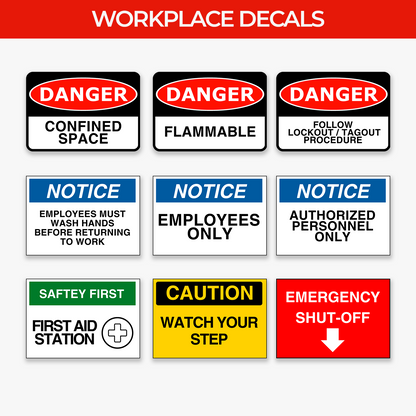
Safety is a top priority in any industrial environment, and labeling plays a vital role in maintaining it. Industrial labels are used to display hazard warnings, emergency instructions, and compliance information required by regulatory authorities.
Clear labeling ensures that employees are aware of potential risks and know how to respond in case of emergencies. It also helps organizations meet legal requirements, avoiding penalties and ensuring smooth audits. Durable labels that withstand harsh conditions ensure that critical information remains visible at all times.
Enhancing Equipment Maintenance
Regular maintenance of machinery is essential to prevent breakdowns and extend equipment lifespan. Industrial labels can be used to indicate maintenance schedules, operating instructions, and service history.
By having this information readily available on or near the equipment, technicians can perform maintenance tasks more efficiently. This reduces downtime and ensures that machines operate at optimal performance levels. Proper labeling also helps in identifying faulty equipment quickly, enabling faster repairs.
Streamlining Communication Across Teams
In industrial settings, multiple teams often work together, including production, quality control, logistics, and maintenance. Industrial labels act as a universal communication tool that conveys important information without the need for verbal instructions.
Labels can include details such as product specifications, batch numbers, handling instructions, and status updates. This ensures that all team members have access to the same information, reducing misunderstandings and improving coordination across departments.
Boosting Productivity and Efficiency
When processes are organized, errors are minimized, and communication is clear, overall productivity naturally improves. Industrial labels contribute to a more efficient work environment by enabling faster decision-making and smoother operations.
Employees spend less time searching for information and more time focusing on their tasks. This leads to increased output and better utilization of resources. In the long run, effective labeling systems can significantly reduce operational costs and improve profitability.
Conclusion
Industrial environments demand precision, organization, and efficiency to remain competitive. Industrial labels serve as a simple yet powerful tool that supports these requirements across various aspects of operations. From improving workflow and reducing errors to enhancing safety and communication, their impact is far-reaching.
By implementing a well-planned labeling system, businesses can create a more structured and productive workplace. As industries continue to evolve, the importance of clear and durable labeling will only grow, making it an essential component of operational efficiency.