
The global wellness industry has witnessed remarkable growth in plant-based solutions, especially those derived from industrial hemp plants. Among these innovations, hemp-derived CBD has gained widespread attention for its versatility and natural therapeutic potential. Consumers increasingly seek transparency regarding how these products are made, reflecting a desire for informed and responsible consumption. Understanding the journey from plant cultivation to finished product provides valuable insight into quality, safety, and effectiveness.
Hemp plants are specifically cultivated to contain minimal levels of tetrahydrocannabinol while remaining rich in cannabidiol content. This careful balance ensures compliance with legal standards while preserving beneficial compounds found within the plant structure. Farmers select specialized strains designed to maximize CBD yield, emphasizing both potency and consistency during cultivation. Soil quality, climate conditions, and agricultural practices all influence the final chemical profile of hemp plants.
Moreover, sustainability plays a crucial role in hemp farming, as the plant requires relatively low water usage and minimal pesticides. These environmental advantages contribute to its appeal among eco-conscious consumers and manufacturers alike. As demand continues to grow, responsible farming practices ensure long-term viability and product integrity across the industry. This foundational stage sets the tone for the entire production process of hemp-derived CBD products worldwide.
Cultivation and Harvesting Processes Behind Hemp-Derived CBD Production
The production of hemp-derived CBD begins with meticulous cultivation practices that prioritize plant health and cannabinoid development. Farmers monitor growth cycles carefully, ensuring that plants reach optimal maturity before harvesting begins. Timing is essential, as cannabinoid levels fluctuate throughout the plant’s lifecycle, directly impacting final product quality.
During cultivation, hemp plants require balanced nutrients, adequate sunlight, and controlled irrigation to thrive effectively. These factors influence not only yield but also the concentration of cannabinoids and terpenes within the plant. Terpenes contribute to aroma, flavor, and potential synergistic effects, enhancing the overall value of hemp-derived CBD products. Maintaining consistency in these variables ensures reliable outcomes across different batches.
Harvesting involves cutting the plants at peak maturity, followed by drying and curing processes that preserve their chemical composition. Proper drying techniques prevent mold growth and degradation of cannabinoids, maintaining product safety and potency. After drying, the plant material is carefully prepared for extraction, marking the transition from raw agricultural product to refined ingredient.
Additionally, modern agricultural technologies have improved efficiency and precision in hemp cultivation significantly. Automated systems and data-driven approaches allow farmers to optimize conditions and maximize output while maintaining quality standards. These advancements contribute to the scalability of hemp-derived CBD production, supporting increasing global demand effectively.
Extraction Techniques Used to Create Hemp-Derived CBD Products
Extraction is a critical stage in transforming raw hemp into usable hemp-derived CBD extracts for various applications. This process involves separating cannabinoids, terpenes, and other beneficial compounds from plant material efficiently. Several extraction methods are used within the industry, each offering distinct advantages depending on desired outcomes.
One of the most widely used techniques is carbon dioxide extraction, which utilizes pressurized CO2 to isolate cannabinoids precisely. This method is favored for its ability to produce high-purity extracts without leaving harmful residues behind. Additionally, it allows for selective extraction, enabling manufacturers to retain specific compounds while removing unwanted elements.
Another common approach involves ethanol extraction, where food-grade alcohol is used to dissolve cannabinoids from plant material effectively. This method is efficient and cost-effective, making it suitable for large-scale production environments. However, careful processing is required to remove residual solvents and ensure product safety before further refinement.
Following extraction, the resulting crude oil undergoes additional processing steps such as winterization and distillation. These procedures remove impurities, waxes, and unwanted compounds, resulting in a cleaner and more concentrated product. At this stage, manufacturers can create different types of hemp-derived CBD extracts, including full-spectrum, broad-spectrum, and isolate forms.
Furthermore, innovation in extraction technologies continues to improve efficiency and product quality across the industry. Advanced techniques enable greater precision, consistency, and scalability, meeting the evolving demands of consumers worldwide. This stage represents a pivotal point in the production journey, where raw plant material becomes a refined and versatile ingredient.
Formulation and Product Development in Hemp-Derived CBD Manufacturing
Once extraction is complete, the refined hemp-derived CBD extract is incorporated into various product formulations tailored to consumer preferences. This stage involves blending CBD with carrier oils, flavorings, and additional ingredients to create diverse product offerings. From tinctures and capsules to topicals and beverages, the possibilities are extensive and continuously expanding.
Product formulation requires careful consideration of dosage accuracy, stability, and user experience to ensure effectiveness and consistency. Manufacturers conduct rigorous testing to determine optimal concentrations and delivery methods for different applications. This attention to detail ensures that consumers receive reliable and predictable results from their chosen products.
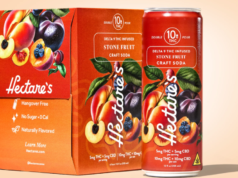
In recent years, the beverage industry has embraced CBD as an innovative ingredient, leading to the creation of functional drinks. For example, individuals exploring wellness trends may encounter options such as a CBD energy drink in Pinellas Park, reflecting the integration of CBD into everyday consumption habits. These products combine convenience with functionality, appealing to modern consumers seeking accessible wellness solutions.
Additionally, flavor development plays a significant role in enhancing the appeal of hemp-derived CBD products. Natural flavors, sweeteners, and complementary ingredients are carefully selected to create enjoyable consumption experiences. This focus on taste and usability contributes to increased adoption and satisfaction among consumers.
Quality Control, Packaging, and the Future of Hemp-Derived CBD Products
The final stages of production focus on quality control, packaging, and distribution, ensuring that hemp-derived CBD products reach consumers safely and effectively. Quality control involves comprehensive testing at multiple stages to verify purity, potency, and consistency across batches. Laboratories analyze products for contaminants such as heavy metals, pesticides, and microbial impurities.
Packaging plays a vital role in preserving product integrity while providing essential information to consumers clearly and accurately. Proper packaging protects products from environmental factors such as light, heat, and moisture, which can degrade cannabinoids over time. Additionally, labeling requirements ensure that consumers understand dosage instructions, ingredients, and usage guidelines effectively.
Distribution channels have also evolved significantly, with both online platforms and physical retail locations offering access to hemp-derived CBD products. This accessibility contributes to widespread adoption and increased consumer awareness globally. As the market expands, companies continue to refine logistics and supply chain strategies to meet growing demand efficiently.
Looking ahead, the future of hemp-derived CBD production is shaped by ongoing research, technological advancements, and regulatory developments. Innovations in cultivation, extraction, and formulation are expected to enhance product quality and expand applications further. As scientific understanding deepens, new opportunities for integrating CBD into health and wellness practices will likely emerge.
Moreover, consumer education will remain a critical factor in sustaining growth and ensuring responsible usage of hemp-derived CBD products. Providing accurate information empowers individuals to make informed decisions and fosters long-term trust in the industry. Ultimately, the journey from hemp plant to finished product reflects a complex and evolving process that combines science, agriculture, and innovation seamlessly.