

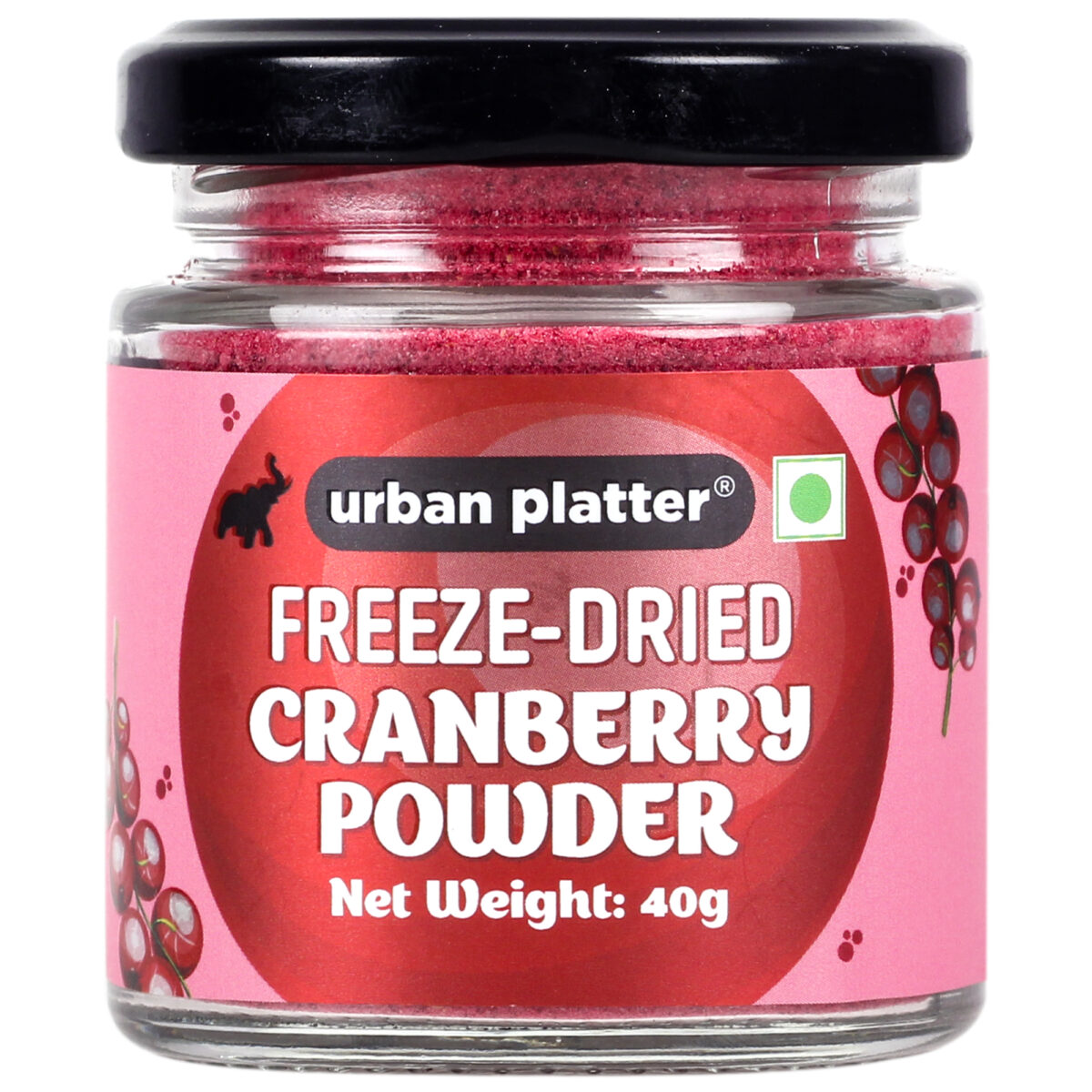
Cranberry juice has earned a permanent place on pharmacy shelves and in kitchen refrigerators worldwide — and for good reason. While it is often reached for instinctively at the first sign of a urinary tract infection, the health benefits of cranberry juice for women extend well beyond that single, familiar use. From hormonal support and heart health to skin vitality and gut function, this tart, ruby-red juice offers a surprisingly broad range of benefits that are particularly relevant to the female body at every stage of life.
Here is a science-backed look at what cranberry juice actually does — and why women in particular stand to benefit from making it a regular part of their diet.
1. UTI Prevention: The Benefit That Started It All
Women are significantly more prone to urinary tract infections than men — statistics suggest that nearly 50 to 60 percent of women will experience at least one UTI in their lifetime. The anatomy of the female urinary tract, with its shorter urethra, makes it easier for bacteria — primarily E. coli — to travel to the bladder and cause infection.
Cranberry juice contains a unique class of compounds called proanthocyanidins (PACs), specifically A-type proanthocyanidins. These compounds work not by killing bacteria directly but by preventing E. coli from adhering to the walls of the urinary tract. Without the ability to cling and colonise, the bacteria are flushed out naturally during urination. Research consistently supports regular cranberry juice consumption as a meaningful strategy for reducing the frequency of recurrent UTIs in women prone to them.
2. Supports Vaginal Health and Microbiome Balance
The same anti-adhesion properties that protect the urinary tract may also benefit vaginal health. The vaginal microbiome is dominated by Lactobacillus bacteria, which maintain a slightly acidic pH that keeps harmful bacteria and yeast in check. Disruptions to this balance — from antibiotics, hormonal changes, or stress — can lead to bacterial vaginosis or yeast overgrowth.
The acidic nature of cranberry juice and its antifungal polyphenols may help support the vaginal environment by discouraging the adhesion and growth of disruptive microorganisms. While cranberry juice is not a treatment for vaginal infections, its regular consumption as part of a balanced diet may contribute to a more resilient microbiome over time.
3. Heart Health — A Benefit Women Cannot Afford to Overlook
Heart disease is the leading cause of death among women globally — a fact that is often overshadowed by more publicised women’s health concerns. Cranberry juice is rich in polyphenols, flavonoids, and anthocyanins that have been shown to support cardiovascular health through multiple pathways.
Regular consumption has been linked to improvements in HDL (good) cholesterol levels, reductions in LDL oxidation, lower blood pressure, and improved endothelial function — the health of the cells lining the blood vessels. For postmenopausal women, whose cardiovascular risk rises sharply after the drop in oestrogen, these protective effects are particularly significant. A daily serving of unsweetened cranberry juice can be a simple, enjoyable addition to a heart-protective lifestyle.
4. Rich in Antioxidants for Skin and Cellular Health
Cranberries rank among the highest antioxidant foods measured by ORAC (Oxygen Radical Absorbance Capacity) scores. Their anthocyanins, quercetin, and vitamin C content work together to neutralise free radicals — unstable molecules that damage cells, accelerate ageing, and contribute to chronic disease.
For women, the skin benefits of this antioxidant load are tangible. Vitamin C is essential for collagen synthesis — the structural protein that keeps skin firm, elastic, and youthful. Quercetin reduces inflammatory responses that manifest as redness, dullness, and uneven skin tone. Consistent cranberry juice consumption supports skin health from the inside out, complementing topical skincare in ways that no cream alone can replicate.
5. Bone Health Support for Ageing Women
Osteoporosis disproportionately affects women — particularly after menopause, when falling oestrogen levels accelerate bone density loss. Cranberry juice contains vitamin K, calcium, and magnesium, all of which play roles in bone mineralisation and density maintenance. Vitamin K in particular activates osteocalcin, a protein essential for binding calcium into bone tissue.
While cranberry juice alone is not a solution for osteoporosis, its nutritional profile makes it a useful complementary dietary addition for women focused on long-term bone health — especially when combined with adequate calcium, vitamin D, and weight-bearing exercise.
6. Digestive and Gut Health Benefits
The polyphenols in cranberry juice act as prebiotics, selectively feeding beneficial gut bacteria and supporting a diverse, balanced microbiome. A healthy gut microbiome is increasingly linked to outcomes far beyond digestion — including immune function, mood regulation, hormonal balance, and skin health. For women dealing with IBS, bloating, or digestive irregularity, cranberry juice offers a gentle, natural way to nourish the gut environment.
Its anti-adhesion properties also extend to the gut, where they may help reduce the colonisation of H. pylori — a bacterium associated with gastric ulcers and digestive discomfort.
Choosing the Right Cranberry Juice
Not all cranberry juices deliver the same benefits. To get the most out of every glass:
- Choose unsweetened or 100% pure cranberry juice: Sweetened cranberry cocktails can contain as much added sugar as a soft drink, which undermines the health benefits.
- Look for cold-pressed or not-from-concentrate varieties: These retain more of the active polyphenols and antioxidants.
- Start with a small amount: 120 to 240 ml per day is sufficient. Pure cranberry juice is tart and potent — a little goes a long way.
- Consult your doctor if on blood thinners: Cranberry juice can interact with warfarin and similar medications due to its vitamin K content.
The Bottom Line
Cranberry juice is far more than a UTI remedy. For women, it is a versatile, nutrient-rich drink that supports urinary and vaginal health, protects the heart, nourishes the skin, strengthens bones, and feeds the gut microbiome — all from a single, naturally occurring source. The key is choosing a quality, low-sugar product and consuming it consistently as part of a balanced diet.
Whether you are in your twenties managing recurrent UTIs, in your forties focused on heart and skin health, or in your fifties protecting your bones post-menopause — there is a very good reason to keep cranberry juice in your daily routine.