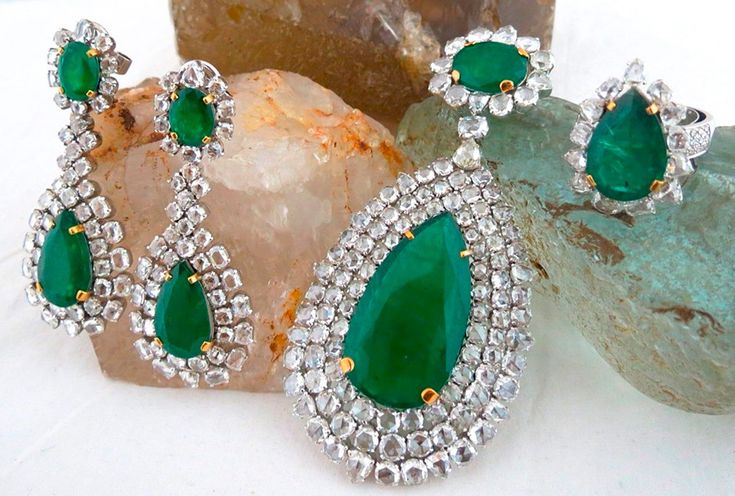
Jewelry has always reflected cultural identity, artistic expression, and evolving societal values throughout human history. Among these adornments, earrings hold a particularly significant place, symbolizing beauty, status, and personal expression across civilizations. From ancient times to modern fashion, these accessories have continually adapted to changing tastes while preserving elements of tradition. In early civilizations, earrings were crafted using natural materials such as shells, bones, and stones carefully shaped by hand. Over time, artisans began incorporating metals like gold and silver, enhancing durability and visual appeal. These developments marked the beginning of intricate craftsmanship that would later influence both traditional and contemporary jewelry design.
Cultural symbolism has always played a central role in shaping earrings throughout history. In many societies, specific designs represented social status, marital status, or spiritual beliefs deeply rooted in community traditions. For example, elaborate designs often indicated wealth or ceremonial importance, while simpler styles reflected everyday wear and practicality.
In modern times, designers continue drawing inspiration from historical influences while incorporating contemporary aesthetics and innovative techniques. This fusion results in pieces that resonate with both heritage and modern sensibilities. Consumers increasingly appreciate designs that tell a story, combining timeless elegance with current fashion trends.
How Traditional Craftsmanship Influences Modern Earrings
Traditional craftsmanship remains a vital influence on contemporary jewelry design, particularly in the creation of earrings that reflect cultural heritage. Artisans often rely on techniques passed down through generations, ensuring that historical artistry continues to shape modern creations in meaningful ways. Handcrafted techniques such as engraving, filigree work, and metal hammering add depth and texture to jewelry designs. These methods require precision, patience, and skill, resulting in pieces that carry the distinct signature of the artisan. Unlike mass-produced items, handcrafted earrings often exhibit subtle variations that enhance their uniqueness and authenticity.
In many regions, traditional designs incorporate symbolic motifs inspired by nature, mythology, or cultural narratives. Floral patterns, geometric shapes, and religious symbols frequently appear in these designs, connecting wearers to their cultural roots. When integrated into modern styles, these elements create a sense of continuity between past and present.
Material selection also plays a significant role in maintaining traditional authenticity. Silver, for example, has long been valued for its versatility and durability in jewelry-making. Contemporary designers often use sterling silver to recreate traditional patterns while adapting them to suit modern preferences and lifestyles.
Furthermore, traditional craftsmanship emphasizes sustainability and ethical production practices. Many artisans source materials responsibly and use techniques that minimize waste, aligning with modern consumer values focused on environmental responsibility. This connection between heritage and sustainability enhances the appeal of handcrafted earrings in today’s market.
The Role of Contemporary Design in Redefining Earrings
While tradition provides a strong foundation, contemporary design introduces innovation and versatility into the world of earrings. Modern aesthetics emphasize minimalism, functionality, and adaptability, allowing jewelry to complement diverse lifestyles and fashion preferences. Contemporary designs often focus on clean lines, geometric shapes, and subtle detailing. These elements create a refined appearance that suits both casual and formal settings. Unlike elaborate traditional styles, modern earrings frequently prioritize simplicity while maintaining elegance and sophistication.
Another defining characteristic of contemporary jewelry involves experimentation with materials and textures. Designers combine metals with unconventional elements such as resin, ceramics, or mixed alloys to create unique visual effects. This approach expands the possibilities of design while maintaining structural integrity and durability. Technological advancements have also revolutionized the design process. Computer-aided design tools enable precise modeling and prototyping, allowing designers to explore complex forms and intricate patterns. These innovations enhance creativity while ensuring consistency in production.
In the middle of this evolving landscape, many retailers offer curated collections that bridge traditional artistry with modern aesthetics. For instance, customers exploring online catalogs may encounter options such as sterling silver gemstone earrings for sale, highlighting how contemporary platforms present timeless materials within updated design frameworks that appeal to today’s consumers. Additionally, contemporary design emphasizes versatility, enabling earrings to transition seamlessly between different occasions. Lightweight structures and ergonomic designs ensure comfort for extended wear, addressing practical considerations that influence purchasing decisions.
Sustainability also remains a key focus within modern design philosophies. Many brands adopt eco-friendly practices, including recycled materials and ethical sourcing, aligning with consumer demand for responsible production. This integration of sustainability further enhances the relevance of contemporary earrings in today’s market.
Blending Traditional and Contemporary Styles in Earrings
The most compelling jewelry designs often emerge from the seamless integration of traditional and contemporary elements. This fusion creates earrings that balance historical richness with modern sophistication, appealing to a wide range of consumers seeking both authenticity and innovation. Designers achieve this balance by incorporating traditional motifs into minimalist frameworks. For example, intricate patterns inspired by cultural heritage may be simplified and reinterpreted using modern techniques. This approach preserves symbolic meaning while adapting aesthetics to suit contemporary tastes.
Material combinations also play a crucial role in blending styles. Traditional metals such as silver and gold are often paired with modern finishes or unconventional elements, creating contrast and visual interest. These combinations highlight the versatility of classic materials within innovative design contexts. Color palettes further contribute to this fusion. While traditional designs often feature rich, vibrant tones, contemporary interpretations may adopt more subdued or monochromatic schemes. This adaptation allows earrings to complement modern wardrobes while retaining their cultural essence.
Consumer preferences further drive the popularity of hybrid designs. Individuals increasingly seek pieces that offer both uniqueness and versatility, allowing them to express personal style while honoring cultural influences. Earrings that blend traditional and contemporary elements meet these expectations effectively. Ultimately, the fusion of styles represents a harmonious balance between heritage and innovation. By integrating traditional craftsmanship with modern design principles, earrings achieve a timeless quality that resonates across generations.
The Future of Earrings in a Changing Fashion Landscape
As the fashion industry continues evolving, earrings are expected to remain central to personal expression and style innovation. Emerging trends suggest that the integration of tradition and modernity will continue shaping the future of jewelry design. Technological advancements will likely play an increasingly significant role in production and customization. Innovations such as 3D printing and advanced metalworking techniques enable designers to experiment with complex forms while maintaining efficiency. These tools expand creative possibilities while preserving craftsmanship quality.
Sustainability will also influence the direction of jewelry design. Consumers are becoming more conscious of environmental impact, prompting brands to adopt eco-friendly practices. Recycled metals, ethical sourcing, and transparent production processes will likely become standard expectations within the industry. Cultural appreciation and diversity will continue driving design inspiration. As global connectivity increases, designers gain access to a wide range of artistic influences. This exposure encourages the creation of earrings that reflect diverse cultural narratives while promoting inclusivity and cross-cultural understanding.
Personalization will remain a key factor in shaping consumer preferences. Customizable designs allow individuals to create unique pieces that align with their identity and lifestyle. This trend supports the growing demand for meaningful and individualized accessories. Additionally, the rise of digital platforms will expand access to jewelry markets worldwide. Online marketplaces enable artisans and designers to showcase their work to global audiences, fostering collaboration and innovation. This accessibility enhances the visibility of both traditional and contemporary designs.