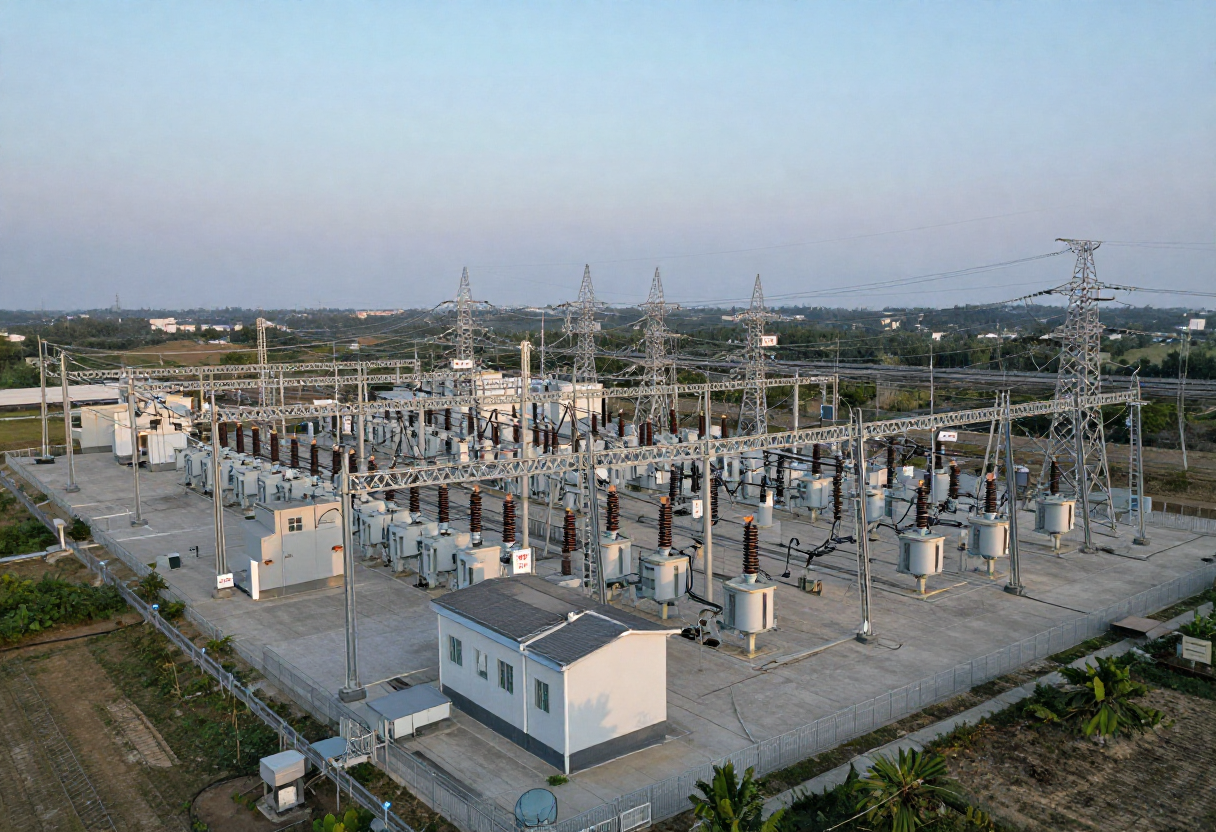
Designing a reliable and efficient power system begins with a well-planned substation. As energy demand grows and grids become smarter, modern approaches to substation design are evolving rapidly. This guide provides a comprehensive overview of key principles, practical strategies, and innovations in power substation design to help engineers, planners, and stakeholders build future-ready systems.
Understanding the Fundamentals of Substation Design
At its core, a substation is responsible for transforming voltage levels, controlling power flow, and ensuring system protection. Effective substation design starts with a clear understanding of system requirements, including load demand, voltage levels, and environmental conditions.
Modern substations are no longer just passive infrastructure—they are intelligent nodes within a larger grid. Designers must consider not only electrical performance but also reliability, scalability, and integration with renewable energy sources.
Key objectives include:
- Ensuring uninterrupted power supply
- Minimizing transmission losses
- Enhancing operational safety
- Supporting future expansion
A strong foundation in these principles sets the stage for more advanced design decisions.
Importance of Efficient Substation Layout
A well-thought-out substation layout is critical for both performance and safety. The physical arrangement of equipment directly impacts maintenance accessibility, fault isolation, and system reliability.
Modern layouts typically focus on:
- Space optimization: Efficient use of available land, especially in urban areas
- Clearances and safety distances: Compliance with standards to prevent electrical hazards
- Ease of maintenance: Logical grouping of equipment for quick access
- Future expansion: Provision for additional bays or feeders
Common layout configurations include single busbar, double busbar, ring bus, and breaker-and-a-half schemes. Each has its own advantages depending on the required level of reliability and budget constraints.
Key Components in Modern Power Substation Design
A successful power substation design integrates multiple components seamlessly. These include:
- Transformers: For voltage conversion
- Switchgear: For protection and isolation
- Busbars: For power distribution
- Protection systems: Relays and circuit breakers to detect and isolate faults
- Control systems: SCADA and automation tools
Modern substations also incorporate digital technologies such as intelligent electronic devices (IEDs), enabling real-time monitoring and control. These advancements improve efficiency and reduce downtime.
Safety and Reliability Considerations
Safety is a top priority in substation design. Engineers must adhere to strict standards and regulations to protect both personnel and equipment.
Key safety practices include:
- Proper grounding and earthing systems
- Lightning protection mechanisms
- Fire detection and suppression systems
- Physical security measures
Reliability is equally important. Redundancy in design—such as duplicate feeders or backup transformers—ensures continuous operation even during equipment failure.
Modern designs also emphasize condition-based maintenance, using sensors and analytics to predict failures before they occur. This proactive approach significantly enhances system reliability.
Role of Automation and Smart Technologies
Automation is transforming the way substations operate. Smart substations leverage advanced communication protocols, digital sensors, and centralized control systems.
Benefits of automation include:
- Real-time monitoring and diagnostics
- Faster fault detection and response
- Reduced human intervention
- Improved operational efficiency
Technologies such as IEC 61850 standards enable seamless communication between devices, making modern power substation design more interoperable and scalable.
Additionally, integration with renewable energy sources—such as solar and wind—requires adaptive and flexible design approaches. Smart substations are essential for managing variable power inputs and maintaining grid stability.
Environmental and Cost Considerations
Modern substation layout planning must balance performance with environmental and economic factors. Sustainable design practices are becoming increasingly important.
Key considerations include:
- Minimizing land use and ecological impact
- Reducing noise and electromagnetic interference
- Using energy-efficient equipment
- Incorporating eco-friendly insulation materials
From a cost perspective, designers must optimize both capital expenditure (CAPEX) and operational expenditure (OPEX). While advanced technologies may require higher initial investment, they often lead to long-term savings through improved efficiency and reduced maintenance costs.
Future Trends in Substation Design
The future of substation design lies in digitalization, modular construction, and sustainability. Some emerging trends include:
- Digital substations: Fully integrated systems with minimal wiring
- Modular designs: Prefabricated units for faster installation
- AI-driven analytics: Predictive maintenance and optimization
- Cybersecurity measures: Protecting critical infrastructure from digital threats
As power systems become more complex, the role of innovative design practices will continue to grow. Engineers must stay updated with evolving technologies and standards to remain competitive.
Conclusion
Modern power substation design is a dynamic field that blends traditional engineering principles with cutting-edge technology. From optimizing substation layout to integrating automation and ensuring safety, every aspect plays a vital role in building reliable and efficient power systems.
By adopting best practices and staying aligned with industry trends, organizations can develop substations that not only meet current demands but are also prepared for the future. Whether you are planning a new installation or upgrading an existing facility, a strategic and informed approach to substation design is essential for long-term success.