

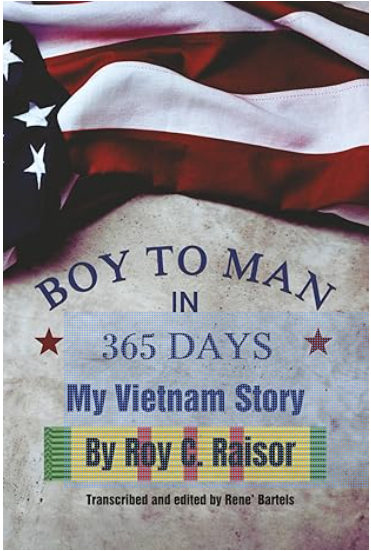
War is often described in terms of strategy, weapons, and outcomes—but for those who live through it, the most powerful element is often something far more human: brotherhood. In the chaos and uncertainty of combat, survival is rarely an individual effort. It depends on trust, connection, and the unbreakable bonds formed between soldiers.
Stories shared on the website:Roy C. Raisor and in personal accounts like Boy to Man in 365 Days: My Vietnam Story reveal that beyond the noise of battle lies a deeper story—one of loyalty, sacrifice, and relationships that can last a lifetime.
Forged in Fire: How Brotherhood Begins
Unlike friendships in everyday life, bonds in war are formed quickly and intensely. Soldiers come from different backgrounds, cultures, and experiences, yet they are united by a shared mission and a common reality.
From the moment they train together, eat together, and face danger side by side, a connection begins to grow. This bond is not based on convenience or shared interests—it is built on survival.
In combat, soldiers rely on each other completely. Trust is not optional; it is essential. Each person must believe that the others will act, respond, and protect when it matters most. This level of reliance creates a bond that is deeper than ordinary friendship.
Trust Under Pressure
In war, trust is tested constantly. Decisions must be made in seconds, often under extreme stress. There is no time for doubt.
A soldier must trust that:
- His teammate will cover him in dangerous situations
- Orders will be followed without hesitation
- Everyone is committed to the same goal—getting through alive
This kind of trust is built through shared experiences and reinforced by facing challenges together. Every mission, every close call, and every moment of danger strengthens the connection.
Over time, this trust becomes instinctive. Soldiers begin to act as a unit, moving and responding as one. This unity is often the difference between survival and loss.
Loyalty Beyond Words
Brotherhood in war is defined by loyalty—not just in action, but in mindset. Soldiers develop a deep sense of responsibility for one another. They are willing to take risks, make sacrifices, and put others before themselves.
This loyalty goes beyond duty. It becomes personal.
In many cases, soldiers will go to extraordinary lengths to ensure the safety of their comrades. Whether it’s carrying an injured teammate, sharing limited resources, or standing together in the face of danger, these actions reflect a level of commitment that is difficult to replicate in civilian life.
Shared Hardship Creates Lasting Bonds
Hardship has a unique way of bringing people together. In war, soldiers face extreme conditions—physical exhaustion, emotional strain, and constant uncertainty.
These shared struggles create a powerful sense of connection. Soldiers understand each other in ways that others cannot. They have seen the same things, felt the same fears, and endured the same challenges.
This shared understanding forms the foundation of lasting relationships. Even after the war ends, many veterans maintain strong connections with those they served alongside. These bonds often remain some of the most meaningful relationships in their lives.
Humor and Humanity in the Darkness
Even in the most difficult moments, soldiers find ways to maintain their humanity. Humor, in particular, plays a crucial role in coping with stress and fear.
Jokes, laughter, and light-hearted moments provide relief from the intensity of war. They remind soldiers that, despite everything, they are still human.
These moments of connection—small as they may seem—strengthen the bonds between individuals. They create memories that stand alongside the hardships, offering balance and perspective.
The Pain of Loss Within Brotherhood
While brotherhood brings strength, it also makes loss more painful. When a soldier loses a comrade, it is not just the loss of a teammate—it is the loss of a brother.
This grief runs deep. The bonds formed in war make these losses profoundly personal, leaving lasting emotional impacts.
Yet, even in loss, the sense of brotherhood endures. Soldiers often carry the memory of their fallen comrades with them, honoring their lives and sacrifices. This shared remembrance becomes part of their ongoing connection.
Life After War: Carrying the Bond Forward
When soldiers return home, the intensity of military life often fades, but the bonds they formed do not disappear. Many veterans describe these relationships as unmatched—different from any friendships they have experienced outside of war.
However, returning to civilian life can also highlight the uniqueness of these bonds. It may be difficult to find the same level of trust, loyalty, and understanding in everyday interactions.
For many, staying connected with fellow veterans becomes an important part of maintaining that sense of brotherhood. These relationships provide support, familiarity, and a reminder of shared experiences.
Lessons in Brotherhood for Everyday Life
While the context of war is extreme, the principles of brotherhood can be applied beyond the battlefield. Trust, loyalty, and mutual support are values that strengthen any relationship.
War simply amplifies these qualities, showing how powerful they can be when truly lived out.
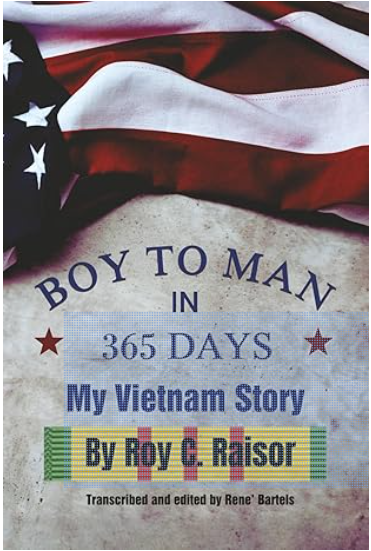
Stories like those shared in Boy to Man in 365 Days: My Vietnam Story offer insight into these dynamics. They highlight not just the challenges of war, but the deep human connections that emerge from it.
If you’d like to explore these powerful relationships and experiences firsthand, you can find the memoir here:
👉 Buy this book on Amazon
Why These Stories Matter
Brotherhood in war is more than a concept—it is a lived reality that shapes how soldiers experience conflict and how they remember it.
Understanding these bonds helps us see war from a more human perspective. It reminds us that behind every uniform is a person who relies on others, forms connections, and experiences loss.
The stories shared on the author’s official website, Roy C. Raisor provide a deeper look into these relationships, offering readers a chance to connect with the emotional side of military life.
Final Thoughts
In the end, survival in war is not just about strength, skill, or strategy—it is about connection. Brotherhood is what holds soldiers together in the face of uncertainty, giving them the support they need to endure.
These bonds are forged in the most challenging circumstances, making them some of the strongest relationships a person can experience.
The journey through war may be defined by conflict, but it is also defined by the people who stand beside us. Brotherhood is what transforms individuals into a unit, fear into courage, and struggle into shared purpose.
It is, ultimately, what makes survival possible.