

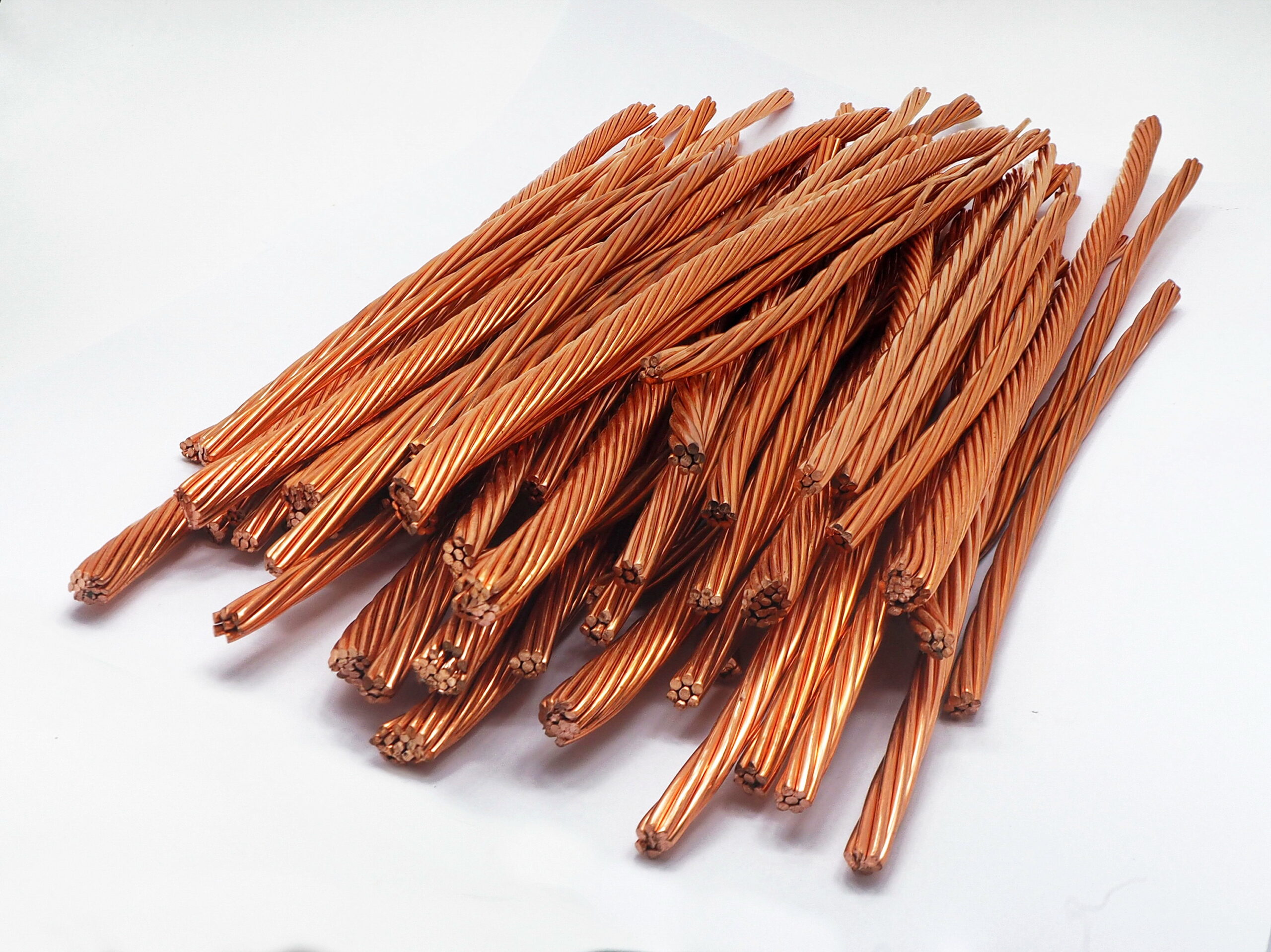
Reliable electrical systems depend on strong, flexible, and well-installed connections. Copper jumpers are widely used in power distribution systems because they provide excellent conductivity and adaptability. Among the most commonly used types are Braided Flexible Copper Jumpers, which are known for their flexibility and ability to handle vibration and movement in electrical installations.
Proper installation of copper jumper connections is essential for maintaining efficiency, safety, and long-term performance. When installed correctly, these connectors help ensure smooth current flow, reduce resistance, and support the stability of modern electrical systems. This article explores the best practices that professionals follow while installing copper jumper connections for optimal results.
Understanding the Role of Copper Jumper Connections
Copper jumper connections play a crucial role in electrical assemblies where flexibility and reliable conductivity are required. These connectors link different components such as switchgear, transformers, grounding systems, and control panels.
Copper is widely preferred because of its superior electrical conductivity, durability, and resistance to corrosion. Flexible copper jumpers are designed to absorb movement, thermal expansion, and vibration without affecting the electrical connection. This flexibility makes them an excellent choice for industrial applications, renewable energy setups, and power distribution infrastructure.
By following the correct installation practices, technicians can maximize the lifespan and efficiency of copper jumper connections while ensuring consistent electrical performance.
Choose the Right Type of Copper Jumper
Selecting the correct jumper type is the first and most important step before installation. Different applications require different designs depending on flexibility, current capacity, and installation environment.
For example, Stranded Flexible Copper Jumpers are commonly used in systems where durability and mechanical strength are required. Their stranded construction allows them to bend easily while maintaining excellent conductivity. These jumpers are often preferred in heavy electrical equipment, busbars, and control panels, where reliable movement tolerance is important.
Choosing the right type ensures that the electrical connection performs efficiently under operational conditions while also maintaining safety standards.
Inspect the Jumper Before Installation
Before installing any copper jumper, it is essential to perform a thorough inspection. This step ensures that the jumper is free from physical damage, contamination, or manufacturing defects.
Look for smooth and intact copper strands or braids, clean contact surfaces, and properly finished terminals. Clean terminals are particularly important because they allow maximum electrical contact during installation. Even minor contamination or dirt can affect conductivity.
Proper inspection helps maintain a high level of reliability in the electrical system and prevents unnecessary interruptions during operation.
Ensure Proper Surface Preparation
Surface preparation plays a key role in achieving a strong and efficient copper jumper connection. The contact surfaces of terminals, busbars, or connectors should always be clean, smooth, and free from oxidation.
Cleaning the surfaces before installation allows the copper jumper to make direct contact with the connecting component. This reduces resistance and ensures better current flow.
In professional installations, technicians often use approved cleaning materials to prepare the contact surfaces while maintaining the integrity of the copper material.
Use the Correct Installation Tools
Using the right tools during installation helps ensure precision and safety. Torque wrenches, proper bolts, and secure fastening components are commonly used to attach copper jumper connections.
Correct tightening of terminals ensures uniform pressure across the connection surface. This allows the copper jumper to remain stable even when the system experiences vibration, heat expansion, or mechanical movement.
Well-installed connections improve performance and help maintain the efficiency of the electrical network.
Maintain Adequate Flexibility and Alignment
Flexible copper jumpers are designed to accommodate movement. However, improper alignment during installation can limit their flexibility.
Installers should ensure that the jumper is not twisted, stretched, or compressed. Allowing the jumper to maintain its natural curve helps preserve its flexibility and ensures smooth electrical flow.
Proper alignment also protects the copper strands or braids from unnecessary mechanical stress, allowing them to perform effectively for longer periods.
Select Advanced Flexible Jumper Designs
Modern electrical systems often require connectors that combine flexibility with high conductivity. This is where laminated flexible copper jumpers offer excellent advantages.
These jumpers consist of multiple thin copper layers stacked together, providing improved flexibility and efficient current distribution. Laminated designs are commonly used in high-performance electrical equipment where precise conductivity and durability are essential.
Their compact design and excellent heat dissipation properties make them suitable for advanced electrical systems used in industrial and power distribution applications.
Follow Professional Installation Standards
Professional installation standards are essential for maintaining safety and consistency in electrical systems. Technicians should always follow industry-approved guidelines when installing copper jumper connections.
Proper spacing, correct terminal alignment, and accurate tightening procedures contribute to reliable connections. Following these standards also helps ensure that the system operates efficiently while meeting modern electrical requirements.
Manufacturers like Ganpati Engineering Industries provide carefully designed copper jumper solutions that support these professional installation practices and help maintain high levels of electrical performance.
Perform Final Connection Checks
After installation, a final inspection ensures that the copper jumper connection is secure and functioning as intended. This step involves checking alignment, verifying bolt tightness, and confirming that the jumper maintains proper flexibility.
A well-checked installation guarantees smooth electrical flow and helps maintain system stability. This final verification step is an important part of professional electrical installation practices.
Organizations such as Ganpati Engineering Industries focus on quality manufacturing standards that support reliable installation and consistent electrical performance across a wide range of applications.
Conclusion
Copper jumper connections play an essential role in maintaining efficient electrical systems. Their flexibility, conductivity, and durability make them an important component in modern power distribution networks.
By selecting the right jumper type, preparing surfaces carefully, using proper installation tools, and maintaining correct alignment, technicians can ensure reliable and long-lasting connections. Advanced designs, such as laminated and stranded copper jumpers, further enhance performance and adaptability in demanding electrical environments.
When these best practices are followed, copper jumper installations deliver excellent conductivity, stability, and operational efficiency. High-quality solutions from trusted manufacturers like Ganpati Engineering Industries continue to support modern electrical infrastructure by providing dependable copper jumper connections that meet the evolving needs of the industry.