

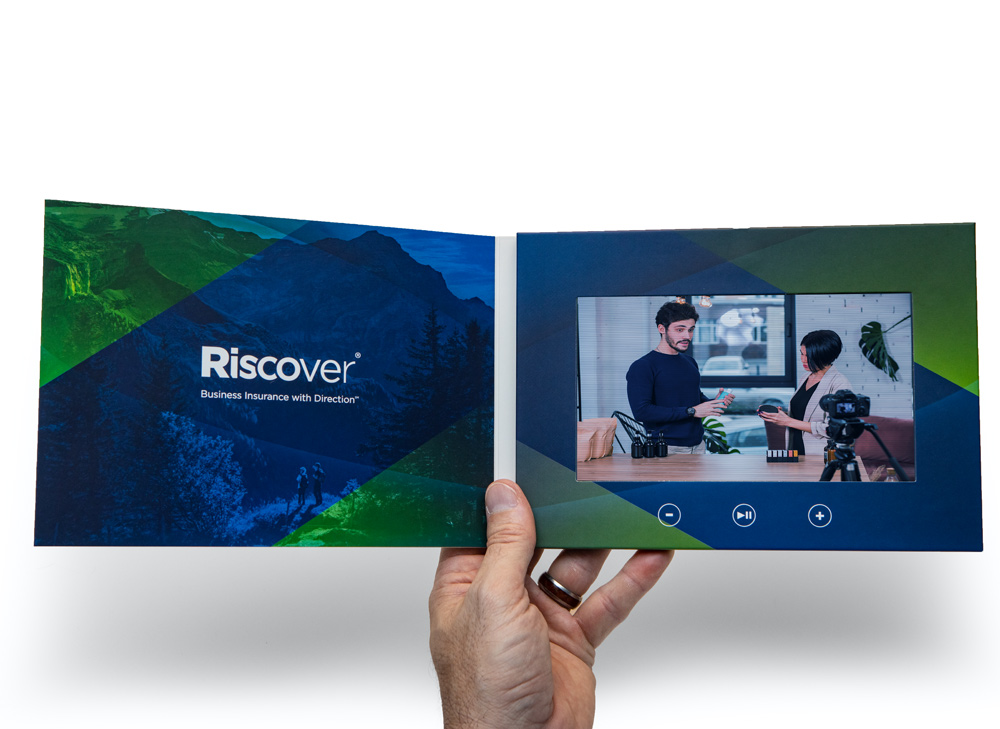
In a marketing environment where attention is scarce and competition is intense, delivering a clear, engaging message is critical. This is where video brochure becomes a powerful asset. By combining visual storytelling with a physical format, video brochures offer a unique opportunity to captivate audiences and communicate value effectively.
However, simply using a video brochure is not enough the content inside must be strategically crafted to achieve results. Below are the best practices to help you create high-performing video brochure content that drives engagement and conversions.
Start with a Clear Objective
Before producing any video brochure content, define your goal. Are you trying to generate leads, explain a product, onboard clients, or close a deal? A clear objective ensures that your message stays focused and aligned with your business outcomes.
Without a defined purpose, your video may look appealing but fail to deliver measurable results.
Hook the Viewer in the First Few Seconds
The opening seconds of your video are critical. When someone opens a video brochure, the content should immediately capture their attention.
Use a strong hook this could be a compelling question, a bold statement, or a visually engaging scene. The goal is to spark curiosity and encourage the viewer to keep watching.
Keep It Concise and Focused
Even though video brochures provide a controlled viewing environment, attention spans are still limited. Avoid overloading your content with too much information.
Focus on delivering your key message clearly and efficiently. Ideally, your video brochure content should be between 60 to 120 seconds, depending on the complexity of your message.
Prioritize High-Quality Visuals and Audio
Production quality directly impacts how your brand is perceived. Poor visuals or unclear audio can undermine your credibility.
Invest in:
- High-resolution video
- Clear and professional voiceovers
- Proper lighting and sound design
High-quality production ensures that your video brochure content reflects professionalism and builds trust with your audience.
Focus on Storytelling, Not Just Selling
One of the most effective ways to engage viewers is through storytelling. Instead of simply listing features, create a narrative that connects with your audience’s needs and challenges.
For example, show how your product solves a real problem or improves a customer’s experience. This approach makes your video brochure content more relatable and memorable.
Highlight Benefits Over Features
While features are important, decision-makers are more interested in outcomes. Clearly communicate how your product or service benefits the viewer.
Explain:
- What problem it solves
- How it improves efficiency or results
- Why it is better than alternatives
This benefits-driven approach increases the persuasive power of your video brochure content.
Incorporate Branding Consistently
Your video brochure should reflect your brand identity at every level. Use consistent colors, fonts, logos, and messaging to create a cohesive experience.
Strong branding not only enhances recognition but also reinforces trust and professionalism.
Add a Clear Call-to-Action (CTA)
Every piece of video brochure content should guide the viewer toward a specific action. Whether it’s visiting your website, scheduling a meeting, or contacting your sales team, your CTA should be clear and compelling.
Avoid vague instructions tell the viewer exactly what to do next and make it easy for them to take action.
Optimize for Silent Viewing (If Needed)
Although video brochures include audio, some users may initially view the content without sound. Including subtitles or on-screen text ensures that your message is still understood.
This also improves accessibility and enhances overall user experience.
Segment Content for Better Navigation
If your video brochure includes multiple buttons or chapters, consider breaking your content into segments. This allows viewers to explore specific topics based on their interests.
Segmented video brochure content improves usability and ensures that viewers can quickly find the information they need.
Test and Refine Your Content
Creating effective video content is an ongoing process. Gather feedback from clients, sales teams, or test audiences to understand what works and what doesn’t.
Analyze performance indicators such as engagement levels and conversion rates. Use these insights to refine your future video brochure content and improve results over time.
Align Content with the Buyer Journey
Different audiences require different messaging. Tailor your content based on where the viewer is in the buyer journey:
- Awareness Stage: Introduce your brand and value proposition
- Consideration Stage: Provide detailed insights and comparisons
- Decision Stage: Include testimonials, case studies, and strong CTAs
Aligning your content with the buyer journey ensures higher relevance and effectiveness.
Ensure Technical Compatibility
Make sure your video is optimized for the device specifications of the brochure. This includes proper resolution, file format, and playback settings.
Smooth performance is essential to delivering a seamless viewing experience.
Conclusion
Creating effective video brochure content requires a balance of creativity, strategy, and technical execution. From defining clear objectives to delivering compelling storytelling and strong calls-to-action, every element plays a role in driving engagement and conversions.
By following these best practices, businesses can unlock the full potential of video brochures and create impactful presentations that leave a lasting impression.