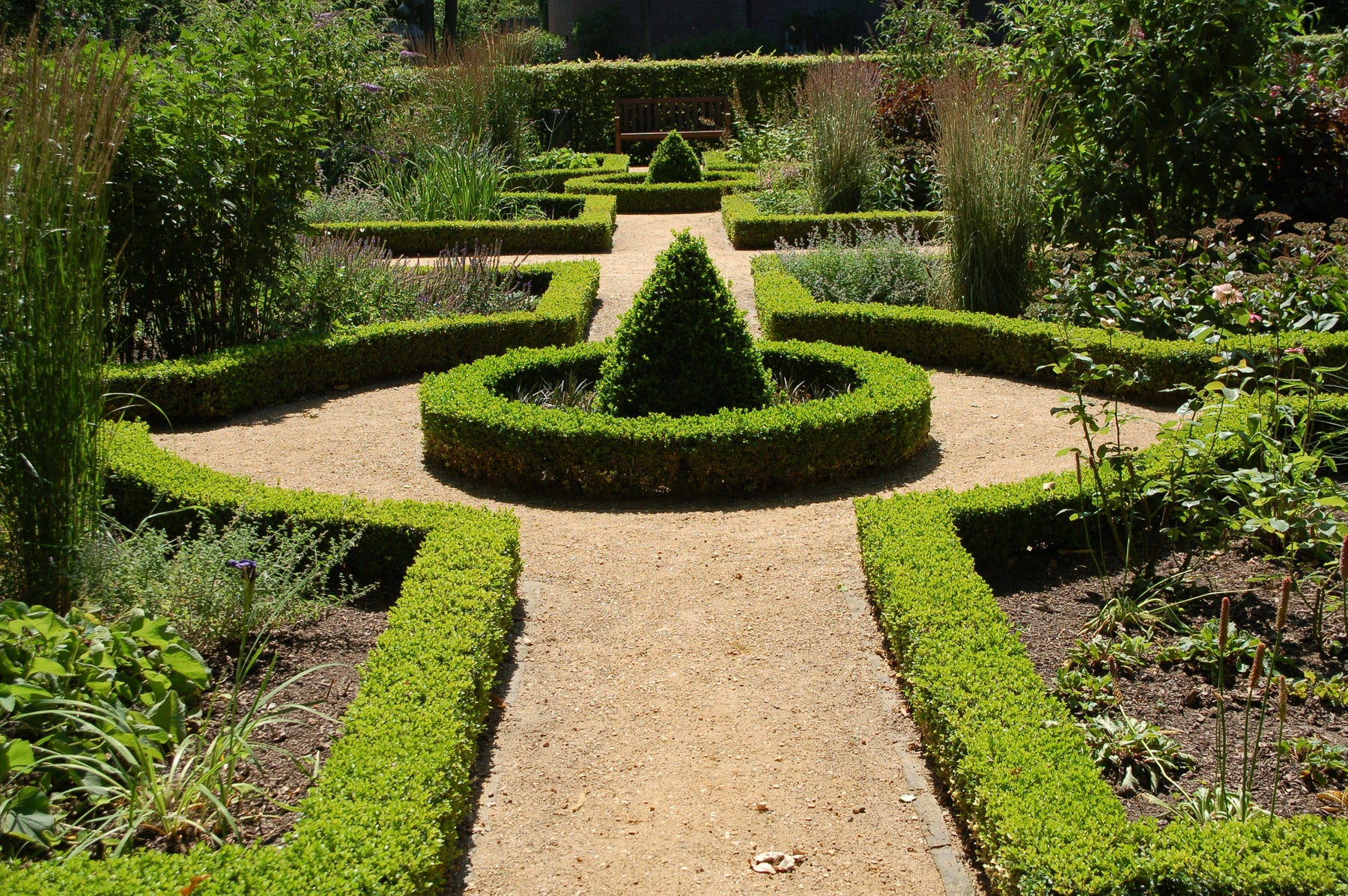
The Japanese boxwood is a highly valued evergreen shrub widely used in contemporary landscaping due to its compact growth habit, dense foliage, and adaptability. Known botanically as Buxus microphylla var. japonica, it has become a preferred choice for formal gardens, residential landscapes, and commercial green spaces. Its ability to maintain structure throughout the year while requiring minimal maintenance makes it especially relevant in modern, design-focused outdoor planning.
Compact Growth and Versatile Design Use
One of the primary benefits of Japanese boxwood is its naturally compact, slow-growing habit. This characteristic allows it to be easily shaped into hedges, borders, and geometric designs without frequent trimming. In modern landscaping, where clean lines and structured layouts are highly valued, this plant provides excellent design flexibility. It is commonly used in foundation plantings, walkway edging, and symmetrical garden layouts. Its controlled growth ensures that it maintains a neat appearance over time, making it ideal for both minimalist and formal garden styles. Unlike faster-growing shrubs, it does not quickly outgrow its intended shape, reducing long-term maintenance effort.
Evergreen Foliage for Year-Round Appeal
Another significant advantage of Japanese boxwood is its evergreen nature. It retains its small, glossy green leaves throughout all seasons, ensuring a consistent visual appeal even in winter months when many plants lose their foliage. This year-round greenery helps maintain structure in landscape design regardless of the season. It is particularly useful in urban gardens where visual continuity is important for curb appeal. The consistent foliage density also makes it a reliable choice for privacy hedging and decorative screening.
Low Maintenance and High Adaptability
The Japanese boxwood is known for being low-maintenance once established. It adapts well to a variety of soil types, including loamy and clay soils, as long as drainage is adequate. It also performs well in both full sun and partial shade, making it suitable for diverse garden conditions. Its drought tolerance increases after establishment, reducing the need for frequent watering. This makes it a practical choice for homeowners seeking sustainable landscaping solutions. Additionally, it responds well to pruning, allowing gardeners to maintain precise shapes with minimal effort.
Structural Strength in Formal Landscaping
In modern landscape architecture, structure is a key design element. The dense branching pattern of Japanese boxwood provides a strong visual structure that can define spaces within a garden. It is often used to create “green architecture,” in which plants serve as living design elements rather than mere decorative additions. Its uniform growth habit makes it suitable for topiary designs, knot gardens, and symmetrical layouts. This makes it a favorite among landscape designers seeking balance and order in outdoor environments.
Pest Resistance and Longevity
Compared to many ornamental shrubs, Japanese boxwood has relatively good resistance to common environmental stressors when properly maintained. While it can be susceptible to certain pests under poor conditions, healthy plants grown in suitable environments tend to remain strong and long-lasting. Its longevity is another advantage, as it can remain part of a landscape design for many years without needing to be replaced. This makes it a cost-effective investment for long-term garden planning.
Environmental and Aesthetic Contribution
Beyond its structural benefits, Japanese boxwood also contributes to environmental quality by supporting green coverage in urban and suburban spaces. Its dense foliage helps reduce visual clutter and enhances the overall aesthetic of outdoor areas. Its ability to blend with other ornamental plants makes it highly versatile in mixed planting schemes. Whether used as a standalone hedge or as part of a layered garden design, it enhances both texture and visual depth.
Conclusion
In summary, the Japanese boxwood offers a combination of structural elegance, evergreen appeal, and low-maintenance adaptability, making it one of the most valuable plants in modern landscaping design. Its versatility in shaping, durability across seasons, and compatibility with formal garden layouts make it a preferred choice for designers and homeowners alike. For those planning to enhance their outdoor spaces, exploring reliable sources such as nurseries near me can help ensure access to healthy plants and expert guidance, further improving long-term landscaping success.