
Switching to solar energy is a smart move for homeowners and businesses looking to reduce energy costs and gain independence from the grid. An Off-grid Solar Power System is especially useful for those in remote areas or for anyone seeking full energy control. It allows you to generate and store your own electricity without relying on utility companies. This option is becoming more popular as technology improves and costs continue to drop.
Understanding Solar Power Systems
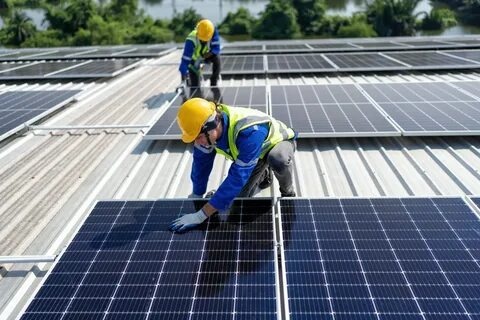
Solar power systems convert sunlight into electricity using photovoltaic (PV) panels. These systems can be installed on rooftops or on open land depending on available space. The energy generated can either be used instantly or stored in batteries for later use. This flexibility makes solar systems suitable for a wide range of applications.
There are different types of solar setups available. Each type serves a different purpose based on energy needs and location. Knowing these differences is key before making a decision. It helps you choose a system that matches your lifestyle and budget.
Types of Solar Systems
The three main types of solar systems are grid-tied, off-grid, and hybrid systems. Grid-tied systems are connected to the local electricity grid. They allow you to use solar energy during the day and switch to grid power when needed. These systems are usually more affordable because they don’t require batteries.
Off-grid systems operate independently from the utility grid. They require battery storage to provide power when the sun is not shining. These systems are ideal for remote locations where grid access is limited or unavailable. They offer complete energy independence but may require higher initial investment.
Benefits of Going Solar
Solar energy offers many benefits beyond cost savings. It is a clean and renewable energy source that reduces carbon emissions. This helps protect the environment and supports sustainability goals. Using solar energy also reduces dependence on fossil fuels.
Another major benefit is energy security. With solar panels and battery storage, you are less affected by power outages. This is especially important in areas with unstable electricity supply. Over time, solar systems can also increase property value.
Key Components of a Solar System
A solar power system includes several important components. Solar panels capture sunlight and convert it into electricity. An inverter then converts this electricity into a usable form for your home or business. Batteries store excess energy for use when sunlight is not available.
Mounting systems are used to secure panels in place. Wiring and electrical components ensure safe and efficient energy flow. Monitoring systems allow you to track performance and energy production. Each component plays a vital role in the overall system.
Why Consider a Hybrid System
A Hybrid Solar Power System combines the features of both grid-tied and off-grid systems. It allows you to stay connected to the grid while also using battery storage. This gives you more flexibility and reliability. You can use stored energy during outages and still benefit from grid support.
Hybrid systems are becoming increasingly popular. They offer a balance between independence and convenience. While they may cost more upfront, they provide long-term benefits. This makes them a smart choice for many homeowners.
Factors to Consider Before Installation
Before installing a solar system, there are several factors to evaluate. Start by assessing your energy needs. This helps determine the size and type of system required. A professional assessment can provide accurate estimates.
Location and sunlight exposure are also important. Roof direction, angle, and shading affect energy production. Budget is another key factor. While solar systems save money over time, initial costs can vary.
You should also check local regulations and incentives. Many areas offer tax credits or rebates for solar installation. These incentives can significantly reduce overall costs. Proper planning ensures a smoother installation process.
Maintenance and Longevity
Solar systems require minimal maintenance. Regular cleaning of panels helps maintain efficiency. Dust, dirt, and debris can reduce energy output if not removed. Inspections should be done periodically to ensure all components are working properly.
Most solar panels have a lifespan of 25 to 30 years. Inverters and batteries may need replacement sooner. Investing in quality equipment can improve durability. Proper maintenance ensures long-term performance and reliability.
Cost vs Long-Term Savings
The initial cost of a solar system can be significant. However, it is important to look at long-term savings. Reduced electricity bills can offset installation costs over time. In many cases, systems pay for themselves within several years.
Financing options are also available. Loans, leases, and payment plans make solar more accessible. Government incentives further reduce the financial burden. Over time, solar energy proves to be a cost-effective investment.
Choosing the Right Service Provider
Selecting the right company is crucial for a successful solar installation. Experience and reputation should be top priorities. Look for providers with proven track records and positive customer feedback. This ensures quality service and reliable support.
A Best Solar Energy Provider will offer customized solutions based on your needs. They will handle everything from design to installation and maintenance. Transparent pricing and clear communication are also important. Taking time to research providers can prevent future issues.
Conclusion
Solar energy is a practical and sustainable solution for modern energy needs. Whether you choose a grid-tied, off-grid, or hybrid system, the benefits are clear. Careful planning and the right provider make a big difference in results. For those in Saugerties, NY and surrounding areas, Mister Solar Guy stands out as a trusted company delivering reliable solar power solutions.