

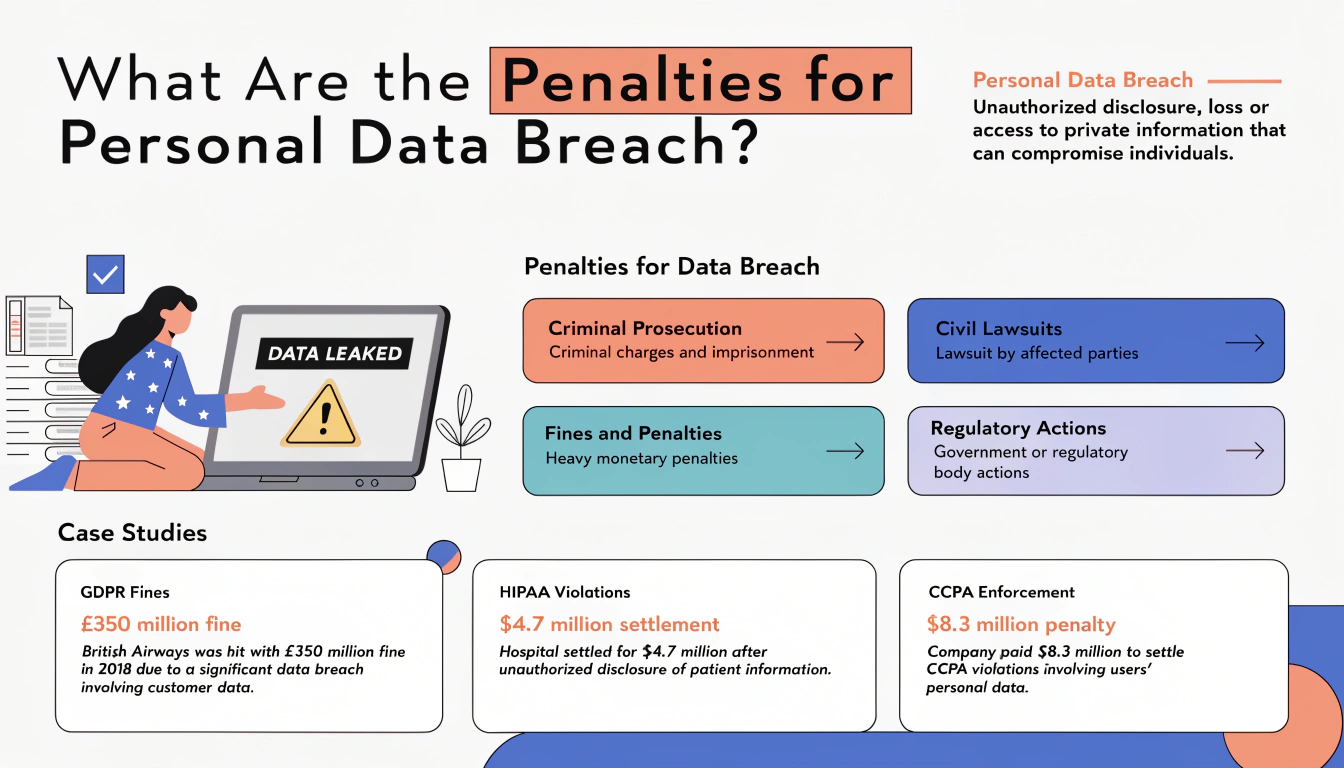
In the modern digital landscape, personal data has become one of the most valuable assets for businesses. From customer details to financial information, organizations rely heavily on data to operate efficiently. However, with this growing dependency comes a critical responsibility—protecting that data.
When a personal data breach occurs, the consequences are not limited to technical issues. Organizations can face severe legal, financial, and reputational penalties. One of the most crucial compliance concepts in this space is The 72-Hour Breach Clock, which plays a major role in determining how penalties are applied.
This blog explains the penalties for personal data breaches, the importance of The 72-Hour Breach Clock, and how businesses can stay compliant using solutions like digital anumati.
What Is a Personal Data Breach?
A personal data breach refers to any incident where personal information is:
- Accessed without authorization
- Lost or stolen
- Accidentally shared
- Altered or destroyed
Common examples include cyberattacks, phishing scams, insider threats, or even human errors like sending sensitive data to the wrong recipient.
Understanding The 72-Hour Breach Clock
The 72-Hour Breach Clock begins the moment an organization becomes aware of a data breach. Under major data protection regulations like GDPR and India’s DPDP Act, companies must:
- Assess the breach
- Notify regulatory authorities
- Inform affected individuals (if required)
—all within 72 hours.
Failing to comply with The 72-Hour Breach Clock can significantly increase the severity of penalties.
Why The 72-Hour Breach Clock Is Critical
The purpose of The 72-Hour Breach Clock is to ensure quick action and transparency. A timely response helps:
- Reduce harm to affected individuals
- Prevent further data exposure
- Build trust with customers
- Demonstrate regulatory compliance
Organizations that delay action are often seen as negligent, leading to stricter penalties.
Types of Penalties for Personal Data Breach
1. Financial Penalties
Financial fines are the most immediate consequence of a data breach.
- Under GDPR, fines can reach €20 million or 4% of global annual turnover
- India’s DPDP Act also imposes significant penalties depending on the severity
Missing The 72-Hour Breach Clock deadline can lead to higher fines.
2. Legal Consequences
Organizations may face legal action such as:
- Lawsuits from affected users
- Class action cases
- Regulatory investigations
Legal proceedings can be long and expensive, further increasing the impact of the breach.
3. Reputational Damage
A data breach can severely damage a company’s reputation. Customers expect their data to be handled securely, and any failure can result in:
- Loss of trust
- Reduced customer retention
- Negative media coverage
Poor handling during The 72-Hour Breach Clock can worsen public perception.
4. Operational Disruptions
After a breach, organizations often need to:
- Shut down affected systems
- Conduct security audits
- Upgrade infrastructure
These disruptions can lead to downtime and financial losses.
5. Regulatory Restrictions
Regulators may impose restrictions such as:
- Temporary suspension of data processing
- Mandatory compliance audits
- Increased monitoring
Such actions can directly impact business operations.
Factors That Influence Penalties
Not all breaches result in the same penalties. Regulators evaluate several factors:
1. Response Time
Failure to act within The 72-Hour Breach Clock is a major factor in increasing penalties.
2. Type of Data
Sensitive data like financial or health records attracts stricter penalties.
3. Scale of the Breach
The more individuals affected, the higher the penalty.
4. Security Measures
Organizations with strong preventive systems may receive leniency.
5. Transparency
Prompt reporting and cooperation with authorities can reduce penalties.
How to Avoid Data Breach Penalties
Preventing breaches and responding effectively is key to avoiding penalties.
1. Strengthen Security Systems
Use encryption, firewalls, and multi-factor authentication.
2. Train Employees
Human error is a leading cause of breaches.
3. Conduct Regular Audits
Identify and fix vulnerabilities proactively.
4. Create a Response Plan
Be ready to act immediately when a breach occurs.
5. Monitor The 72-Hour Breach Clock
Ensure your team is prepared to meet reporting deadlines.
Role of digital anumati in Compliance
Managing data privacy manually is complex and risky. This is where digital anumati becomes essential.
digital anumati helps organizations:
- Manage user consent efficiently
- Maintain detailed audit trails
- Ensure compliance with data protection laws
- Respond quickly within The 72-Hour Breach Clock
By using digital anumati, businesses can reduce the risk of penalties and improve overall data governance.
Steps to Take After a Data Breach
If a breach occurs, follow these steps:
Step 1: Contain the Breach
Secure systems and stop unauthorized access.
Step 2: Assess the Impact
Identify affected data and individuals.
Step 3: Activate The 72-Hour Breach Clock
Start tracking time immediately after detection.
Step 4: Notify Authorities
Report the breach within the required timeframe.
Step 5: Inform Users
Communicate clearly with affected individuals.
Step 6: Improve Security
Fix vulnerabilities and prevent future incidents.
Common Mistakes That Increase Penalties
Avoid these mistakes:
- Ignoring early warning signs
- Delayed detection of breaches
- Missing The 72-Hour Breach Clock
- Poor documentation
- Lack of employee training
These errors often signal negligence and lead to higher penalties.
Future of Data Protection and Penalties
Data protection regulations are becoming stricter worldwide. Governments are focusing on:
- User rights and privacy
- Corporate accountability
- Faster breach reporting
Organizations must adapt quickly or risk severe penalties.
Conclusion
Personal data breaches can have serious consequences, including financial penalties, legal action, and reputational damage. Understanding the importance of The 72-Hour Breach Clock is essential for every organization handling personal data.
A timely and transparent response can significantly reduce penalties. By implementing strong security measures and using compliance solutions like digital anumati, businesses can protect both their data and their reputation.
FAQs
1. What is The 72-Hour Breach Clock?
It is the time limit within which organizations must report a data breach after becoming aware of it.
2. What happens if the 72-hour deadline is missed?
Missing the deadline can lead to higher fines and stricter regulatory action.
3. What are the main penalties for data breaches?
Penalties include financial fines, legal action, reputational damage, and operational losses.
4. Does India have penalties for data breaches?
Yes, the DPDP Act includes significant penalties for non-compliance and data breaches.
5. How can businesses avoid penalties?
By implementing strong security, training employees, and using tools like digital anumati.
6. Is reporting a breach mandatory?
Yes, most data protection laws require timely reporting, often within 72 hours.