
Teeth grinding during sleep is more common than most people think. Known medically as Bruxism, this condition often goes unnoticed until it starts causing pain or visible damage.
If you’re wondering whether you need a night guard, here’s a clear guide to the warning signs—and what to do next.
What Is Teeth Grinding (Bruxism)?


6
Bruxism is the involuntary grinding or clenching of teeth, usually during sleep. It can be triggered by:
- Stress and anxiety
- Sleep disorders
- Misaligned bite
- Lifestyle habits like caffeine or alcohol
Because it happens unconsciously, many people only discover it after symptoms appear.
Common Signs You’re Grinding Your Teeth
1. Morning Jaw Pain or Stiffness
If your jaw feels tight or sore when you wake up, it’s a strong indicator of nighttime clenching.
2. Frequent Headaches
Grinding puts pressure on jaw muscles, often leading to tension headaches—especially in the morning.
3. Worn, Chipped, or Flattened Teeth
Dentists can often spot bruxism by examining tooth wear, cracks, or enamel erosion.
4. Increased Tooth Sensitivity
As enamel wears down, teeth become more sensitive to hot, cold, or sweet foods.
5. Clicking or Popping Jaw
Grinding can affect your jaw joint, sometimes leading to Temporomandibular Joint Disorder, which may cause:
- Clicking sounds
- Pain when opening your mouth
- Jaw stiffness
6. Poor Sleep or Grinding Noises
You may not notice grinding yourself, but a partner might hear it. You might also experience restless sleep.
Quick Self-Check
Ask yourself:
- Do I wake up with jaw pain or headaches?
- Are my teeth becoming more sensitive?
- Has my dentist mentioned tooth wear?
- Has anyone heard me grinding my teeth at night?
If you answered “yes” to any of these, you may be grinding your teeth.
When Do You Need a Night Guard?
You should consider a night guard if:
- You have consistent symptoms
- Your teeth show signs of wear
- You’ve been diagnosed with bruxism
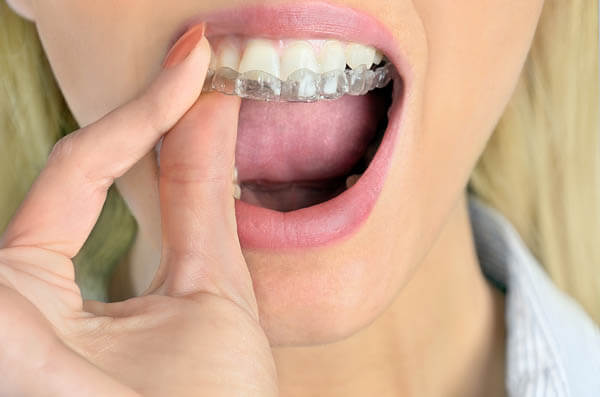
A night guard acts as a protective barrier, preventing further damage and reducing pressure on your jaw.
What Happens If You Ignore Teeth Grinding?
Ignoring bruxism can lead to:
- Severe enamel loss
- Cracked or broken teeth
- Chronic jaw pain
- Expensive dental treatments like crowns or implants
Early intervention can prevent long-term damage.
How a Night Guard Helps


6
A night guard helps by:
- Cushioning teeth against grinding forces
- Reducing jaw muscle tension
- Preventing enamel wear
- Improving sleep comfort
Custom-made night guards from a dentist provide the best fit and protection.
Final Thoughts
Teeth grinding is a silent problem that can cause serious damage over time. Recognizing the signs early and using a night guard can protect your teeth, relieve discomfort, and improve your quality of life.
If you suspect you’re grinding your teeth, a dental consultation is the best next step.