Buying organic wine online has become easier than ever, but for beginners, the world of organic wine can feel confusing. Labels, certifications, grape varieties, regions, and shipping rules may seem overwhelming at first. The good news is that once you understand the basics, shopping for organic wine online can be enjoyable, convenient, and rewarding.
Organic wine is growing in popularity because many people want wines made with fewer chemicals, more sustainable farming methods, and greater respect for the environment. Whether you are looking for a red wine for dinner, a sparkling wine for a celebration, or a thoughtful gift, learning how to shop online will help you make smarter choices.
This beginner’s guide explains what organic wine is, how to read labels, where to shop, and how to choose the right bottle with confidence.
What Is Organic Wine?
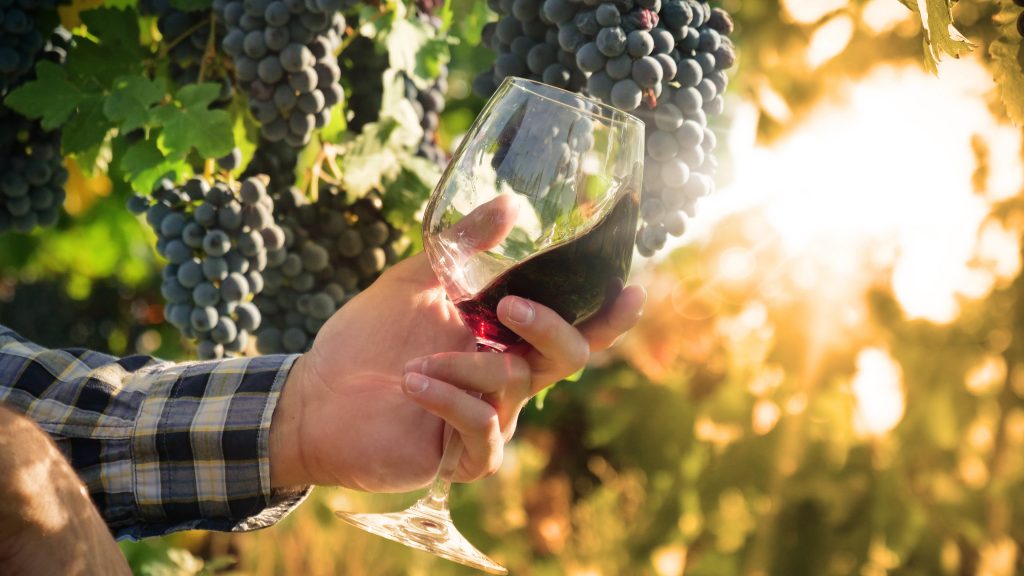
Buying organic wine online is made from grapes that are grown without synthetic pesticides, herbicides, or chemical fertilizers. Instead, organic vineyards use natural methods to protect the vines and maintain healthy soil.
However, the term “organic wine” can mean slightly different things depending on the country:
In the United States, wine labeled “organic” must be made from certified organic grapes and cannot contain added sulfites.
Wine labeled “made with organic grapes” may include added sulfites, but still uses organic grapes.
In Europe and many other countries, organic wine can include small amounts of sulfites as long as it meets organic production standards.
Because rules vary, it is important to read the product description carefully when buying online.
Why People Choose Organic Wine
Many shoppers choose organic wine for environmental and health reasons. Organic vineyards avoid harsh chemicals, which can help protect wildlife, water, and soil. Some wine lovers also believe organic wines have a cleaner, more natural taste because the grapes reflect the character of the vineyard more clearly.
Other reasons people buy organic wine include:
- Supporting environmentally friendly farming
- Reducing exposure to chemical residues
- Discovering smaller, family-owned wineries
- Trying wines with fewer additives
- Supporting sustainable and ethical production methods
While organic wine is not necessarily healthier in terms of calories or alcohol content, many people appreciate the simpler ingredients and more natural approach.
Learn the Main Types of Organic Wine
Before you shop, it helps to know the basic categories of wine. Online stores usually organize their products into these groups:
Red Organic Wine
Buying organic wine online is made from dark-colored grapes and usually has richer flavors. Popular options include Cabernet Sauvignon, Merlot, Pinot Noir, and Syrah. If you are a beginner, Pinot Noir and Merlot are often easier to enjoy because they are softer and fruitier.
White Organic Wine
White wine is usually lighter and fresher. Common varieties include Chardonnay, Sauvignon Blanc, and Pinot Grigio. Sauvignon Blanc is crisp and refreshing, while Chardonnay can be richer and creamier.
Rosé Organic Wine
Rosé is made from red grapes but spends less time with the grape skins, giving it a pink color. It is often light, fruity, and ideal for warm weather.
Sparkling Organic Wine
Sparkling wine includes Champagne, Prosecco, and other bubbly wines. Organic sparkling wine is popular for parties, holidays, and celebrations.
How to Read Organic Wine Labels Online
When buying wine online, you cannot hold the bottle in your hand, so the product page becomes very important. Pay attention to these details:
Look for Organic Certification
The easiest way to confirm that a wine is truly organic is to look for certification logos. Common certifications include:
- USDA Organic
- EU Organic Leaf Logo
- Certified Organic by local organizations
- Biodynamic certifications such as Demeter
If the wine description does not mention certification, search for the winery’s website or look for more details before purchasing.
Check the Sulfite Information
Sulfites are natural compounds that help preserve wine. Some people prefer wines with no added sulfites, while others are comfortable with small amounts.
If this matters to you, look for phrases such as:
“No added sulfites”
“Low sulfite”
“Made with organic grapes.”
Remember that even organic wines may contain naturally occurring sulfites.
Read the Tasting Notes
Most online wine shops provide tasting notes. These short descriptions tell you what the wine may taste like.
For example:
Fruity wines may have flavors of berries, cherries, apples, or citrus.
Dry wines are less sweet.
Full-bodied wines feel richer and heavier.
Light-bodied wines are softer and easier to drink.
If you are new to wine, start with wines described as smooth, fruity, soft, or easy-drinking.
Choose a Trusted Online Wine Store
Not every online wine retailer is the same. A good wine website should provide clear product descriptions, customer reviews, and secure payment options.
When comparing websites, look for:
A large selection of organic wines
Easy-to-read filters for price, color, region, and grape type
Customer reviews and ratings
Detailed information about the winery and production methods
Shipping policies and delivery times
Return or refund options if a bottle arrives damaged
Some online stores specialize in natural and organic wines, while others have a smaller organic section. Beginners often find it easier to use a store that allows filtering specifically for organic wines.
Set a Budget Before You Buy
Organic wine does not always cost more, but prices can vary widely. You can find good beginner-friendly bottles between $15 and $30. Spending more does not always mean the wine will taste better to you.
A smart strategy is to start with two or three affordable bottles in different styles. For example:
- One red wine
- One white wine
- One sparkling or rosé wine
This allows you to compare different flavors and discover what you enjoy without spending too much.
If you find a wine you love, you can always order a larger quantity later.
Read Customer Reviews Carefully
Customer reviews can be extremely helpful when buying wine online. They often provide information that product descriptions do not mention.
Look for reviews that discuss:
- Whether the wine tasted sweet or dry
- How smooth or strong it was
- Which foods paired well with it
- Whether the bottle matched the online description
Be cautious if a wine has many complaints about poor packaging, damaged bottles, or misleading descriptions.
Also remember that wine taste is personal. A bottle with mixed reviews may still be perfect for you.
Understand Shipping Rules and Delivery
Wine shipping laws vary depending on where you live. Some countries and regions allow wine to be delivered directly to your home, while others have restrictions.
Before ordering, check:
- Whether the retailer ships to your area
- The delivery cost
- How long will the shipment take
- Whether an adult signature is required
Organic wine should also be shipped carefully. Good retailers use protective packaging and avoid shipping during extremely hot weather because heat can damage the wine.
If possible, choose a retailer that offers temperature-controlled shipping during the summer months.
Try a Wine Subscription Box
If you are unsure where to start, an organic wine subscription can be a good option. Many online companies offer monthly boxes with different organic wines selected by experts.
A subscription box can help you:
- Explore different regions and grape varieties
- Learn your personal taste preferences
- Discover small wineries you might not find in stores
- Receive tasting notes and food pairing suggestions
This is especially useful for beginners who want guidance without spending hours searching.
Common Mistakes Beginners Should Avoid
When buying organic wine online for the first time, avoid these common mistakes:
Buying only based on the label design
Assuming every “natural” wine is certified organic
Ignoring shipping costs
Purchasing expensive bottles before learning your preferences
Not reading the wine description carefully
Ordering too many bottles of one type before trying it
Take your time and start small. The goal is to enjoy the experience and learn what you like.
Final Thoughts
Buying organic wine online does not have to be complicated. Once you understand what organic labels mean, how to read tasting notes, and where to shop, you can choose wines with confidence.
Start by selecting a trusted retailer, setting a budget, and trying a few beginner-friendly styles. Read reviews, pay attention to certifications, and do not be afraid to experiment. Over time, you will discover which wines match your taste and which wineries you want to support.
Organic wine is more than just a trend. For many people, it is a way to enjoy wine while supporting sustainable farming and better environmental practices. With the convenience of online shopping, finding your next favorite bottle is easier than ever.