

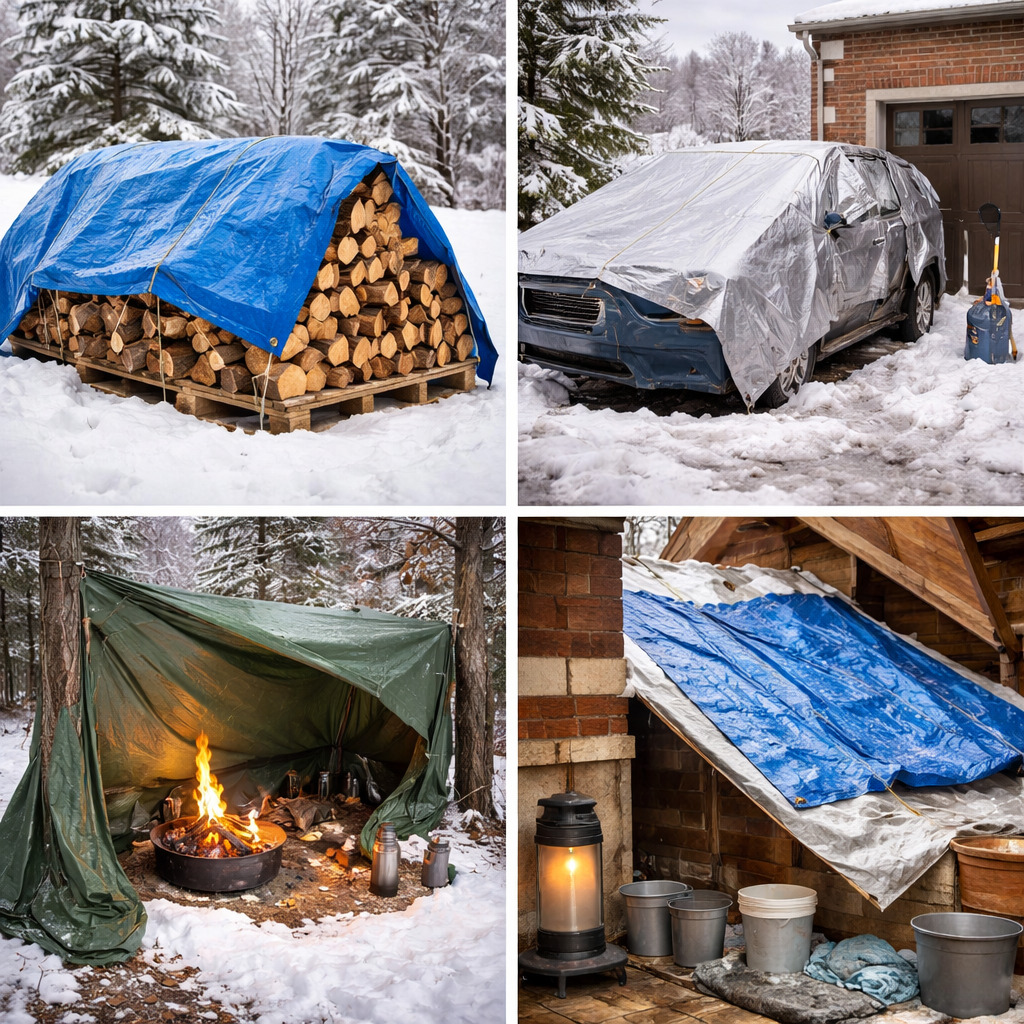
Winter weather can be very harsh and unkind, particularly if the biting wind, snow, and rain come suddenly. However, with appropriate preparation, very difficult weather conditions can be made easier. An easily forgotten but invaluable preparation for winter is the use of the Waterproof Tarpaulin. This is an elastic materials cover that provides safety and warmth under the most challenging situations. When camping out in the weather or making winter weather preparation plans for the house, tarpaulin use makes winter weather easier.
Why Tarpaulin Matters in Winter Survival
Tarp acts as a shield between you and harsh weather. The shields you from wind, is moisture-resistant, and also keeps you warm. This is because weather in winter is highly unpredictable, and having a protective shield gives you all the control you need. Most outdoor enthusiasts choose tarpaulins because of their lightweight and portability.
Protection Against Cold and Wind
Cold air takes away body heat more quickly when the wind blows. Now, if your tarp goes over the area correctly, it will prevent the wind hitting your shelter. Thus, your area will be warmer and more comfortable. Even a thin tarp works to prevent heat from going away if it goes over the area tightly.
Shielding From Snow and Rain
Snow may appear soft and warm, but melting snow promotes moisture all around. Rainfall introduces another level of complication because it saturates clothing and equipment. A tarp forms a waterproof roof or wall to keep everything dry. Since staying dry prevents hypothermia, this stage becomes imperative.
Choosing the Right Tarpaulin for Winter
Not all tarpaulins work the same in cold weather. When temperatures become cold, the following factors become relevant for tarpaulins: thickness, type, and clarity.
Heavy Duty Versus Lightweight Options
Heavy-duty tarpaulins are not easily torn by the weight of snow. They are best used when one intends to remain outdoors for an extended period. Lightweight tarpaulins are ideal for use when going for a short trip or for use in an emergency kit.
Benefits of Clear Tarpaulin in Winter
Clear Tarpaulin has one distinct advantage during winter. This tarp passes sunlight but not wind or water. It helps warm an enclosed space when sunlight passes through. Moreover, clear tarp increases visibility. This is useful when camping in snow because, through clear vision, one can recognize hazards and avoid them.
Sourcing Quality Materials From Trusted Suppliers
Suppliers can also make a world of difference where survival depends on the equipment being provided. Many customers rely on Tarpaulins UK due to their weather-tested material that can withstand cold weather. Its eyelets and edges also help to make it more durable during the winter seasons.
Building Emergency Winter Shelters With Tarpaulin
The tarpaulin is life-saving when shelter is unavailable. Tarpaulin makes fast shelter. It shields people against freezing. One requires basic skills in order to erect a warm shelter during winter.
Creating a Lean To Shelter
Shelter made from “Lean-To” technology is quick to make with a tarpaulin and a rope. One side is fixed to a tree or a pole, while the other side is sloping. This prevents air from entering and helps the snow to easily slide off. Thus, the shelter will remain intact.
Making a Snow Cave Cover
Snow caves retain heat but require sheltering at the entrance. A tarpaulin is placed over the entrance such that it prevents the entry of winds. This also prevents the accumulation of snow within the snow cave. Hence, it is warmer inside. Read Best Articles
Insulating the Ground Below You
Cold ground causes body heat to dissipate quickly. It is important to put a folded tarpaulin bed of insulation under the sleep gear. Though it sounds easy, this is an effective way to stay warm when the night is freezing.
Staying Warm Using Tarpaulin Techniques
Keeping warm means more than just dressing warmly. Use tarpaulins in appropriate positions for effective heat management.
Heat Reflection Methods
Tarpaulins can reflect radiated body heat if set up properly. To get warmth from it, place it at the back of the fire. Nonetheless, it must be set up at a safe distance to prevent damage.
Blocking Wind Chill Effectively
Wind chill is a phenomenon that makes the temperatures feel even colder than what is actually there. When a tarpaulin wall is erected on the windward side, the movement of the cold air is prevented. Hence, the region feels warmer.
Creating Temporary Enclosures
A tarpaulin may be used as a tent over an area where people sleep. Warm air is trapped within when it is closed. Thus, your body doesn’t work as hard to keep warm.
Using Tarpaulin for Food and Water Safety
Winter survival requires safe food and access to clean drinking water. Tarps can assist in keeping these safe from freezing or contamination.
Covering Food Supplies
Snow and animals may affect food supplies. Using a tarpaulin to cover the supplies will keep them dry and concealed. Also, this will prevent the formation of ice on the supplies.
Collecting Snow for Water
Pure snow melts and is ready for drinking. A tarpaulin placed on it helps in collecting the snow. Later, it is used for hydration when water is frozen.
Preventing Water Containers From Freezing
Bottles of water freeze quickly when placed in cold air. Insulating them with a tarpaulin reduces heat escape. This increases the duration for which liquid water is accessible.
Protecting Gear and Clothing in Winter
Wet gear is very problematic when it comes to freezing temperatures. Tarps protect important equipment and clothes from moisture.
Dry Storage Solutions
A tarpaulin stretched above the gear makes a dry storage area. Water, including snow, runs off when it hits the surface. Thus, the gear can be used and is dry.
Creating a Changing Area
Changing clothes outside is a problem in winter. A tarpaulin enclosure provides privacy and blocks wind, which minimizes heat loss while changing clothes.
Emergency Repairs for Clothing and Gear
You can also use tarpaulins as emergency patches by cutting small pieces to cover torn spots on tents or jackets. Though this is only an emergency solution, this particular fix helps retain warmth.
Using Tarpaulin Around the Home During Winter
Tarpaulins assist in not only outdoor settings but also in homes during winter emergencies.
Covering Windows and Doors
Freezing air passes in through the cracks surrounding the windows. This tarpaulin is useful for preventing drafts when placed inside the house.
Tarpaulin Protecting Vehicles and Equipment
It affects vehicles and equipment. Use of a tarpaulin to cover the area prevents the formation of ice. This makes it easy to perform maintenance activities after the occurrence of storms.
Emergency Roof Covering
Winter storms might cause roof damage in unexpected places. However, placing a tarpaulin over the defective roof prevents leaks and reduces interior damage until repairs are done.
Safety Tips When Using Tarpaulin in Cold Weather
Although many advantages come along with using tarpaulins, their utilization needs consideration in the winter season.
Avoiding Fire Hazards
Tarpaulins are prone to melting when exposed to open flames. One should keep a safe distance from all fire and heating sources.
Tarpaulin Securing Against Strong Winds
It is easy for the wind of winter to blow away a loosely fixed tarpaulin. Use sturdy strings and make sure that all edges are tightly secured. Hence, this secures shelters against storms.
Monitoring Condensation Buildup
If moisture stays inside enclosed tarpaulin sheltered areas, it can collect and build up. However, when there is ventilation
Long Term Winter Preparedness With Tarpaulin
Preparation is effective for winter survival. The inclusion of tarpaulins in emergency kits is rational.
Tarpaulin Building a Winter Emergency Kit
A winter survival kit must have a waterproof tarp. This has many uses during an emergency situation. This is the reason it offers immense usefulness.
Practicing Setup Before Emergencies
Practice installing tarpaulin shelters before the onset of winter. This reduces the stress involved when done in an emergency. It also saves time.
Storing Tarpaulins Properly
Keep your tarps clean and dry. This keeps them from growing mold. Thus, tarps remain ready for the next winter.
Final Thoughts
Winter survival skills are based on preparation, expertise, and flexible materials. Tarpaulins are effective at shelter creation, warming, and covering. It doesn’t matter whether one settles on heavy-duty tarpaulins, clear tarpaulin for light access, or other reliable sources such as Tarpaulins UK. Experience helps you use tarpaulin as one of the most effective tools in winter survival skills.
FAQs
Q: What type of tarpaulin works best for winter survival?
A heavy-duty tarpaulin is actually the best option because it has the ability to handle snow weight and wind pressure. Another option is Clear Tarpaulin, which works best when sunshine matters.
Q: Can a tarpaulin really keep you warm in freezing weather?
The tarpaulin works to prevent heat loss that occurs in the absence of wind and moisture. However, the tarpaulin does not generate heat but retains warmth instead.
Q: Is tarpaulin safe to use near a fire?
Tarps should never be near an open flame. Keep tarps at a safe distance from fires and heaters. This prevents melting and fires. This helps the shelters remain safe.
Q: How do you stop condensation inside a tarpaulin shelter?
Leave small gaps of ventilation. This ensures proper airflow and reduces moisture. As a result, the inside of the tunnel is drier.
Q: Can you reuse tarpaulin after winter?
Yes, you can reuse it several times. Clean and dry the tarpaulin properly before packing it away.