

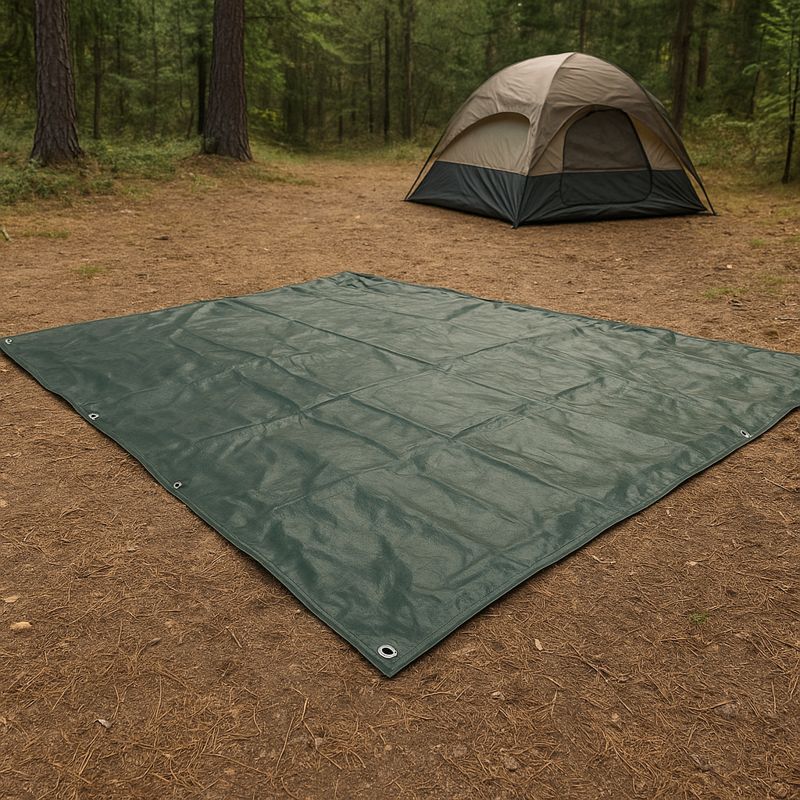
Though winter necessitates careful preparation, it also provides amazing vistas, peaceful trails, and crisp air. Because it shields against wet ground, icy winds, and snow, a tarp turns into one of the most reliable items you might have. Tents and insulated equipment are essential, but a good tarp provides extra protection that may make a major difference on winter hiking and camping trips. Many hikers consider a Heavy Duty Tarpaulin a must-have item since it helps to provide safer and more pleasant outdoor areas in severe winter conditions.
Choosing the Right Tarpaulin for Cold Weather Trips
Material Strength and Durability
Choosing a reliable heavy duty tarpaulin is crucial for winter trips since the weather becomes more difficult in colder months. When snow and ice start gathering on surfaces, a thick, reinforced canvas tarpaulin is more durable and functions better. Though several sorts abound, heavy-duty polyethylene tarpaulins are still a preferred option because they are extremely good with moisture and tear resistance. Winter winds may be harsh; therefore, once you pitch your tent, a tough alternative helps you feel more safe.
Proper Size for Your Needs
Your coverage depends on the size of the tarpaulin. For quick shelters, a tiny sheet suffices; however, winter camping normally demands a larger one as your equipment needs additional protection against snow and wetness. Choosing an appropriate size keeps you ready and efficient.
Weather Resistance and Coating
Winter tarpaulins have to be able to resist freezing temperatures. Coated surfaces repel water and lower the probability of water freezing on the material. High coating quality helps snow slide off more easily, hence stabilizing the shelter. Because winter brings erratic temperature changes, a coated heavy duty tarpaulin stabilizes the setting throughout the night.
Preparing Your Tarpaulin Before the Trip
Checking for Damage and Wear
Before you go on a winter camping trip or hike, carefully check the tarpaulin. Any little rip might turn into a big one when subjected to frigid wind or accumulating snow. Though little damage can be fixed, substituting the tarpaulin is a safer choice if the material is too worn. Before you go into difficult circumstances, a thorough check gives you peace of mind.
Practicing Setup at Home
Practicing beforehand simplifies the winter tarpaulin setup. Experimenting with several forms and orientations clarifies how the sheet responds to wind. Though the home surroundings is temperate, the exercise boosts confidence. Because you already know how to properly manage the tarp, when you get to your camp you save time and keep yourself warm.
Using a Tarpaulin for Winter Hiking Protection
Creating a Windbreak on the Trail
Winter winds might cause exhausting and aggravating hiking. A tarpaulin can still be beneficial even if you cannot erect a whole shelter on a hike. This straightforward approach produces a more comfortable and quieter resting area. As a result, you travel with greater comfort and recover energy more quickly.
Covering Gear During Sudden Weather Changes
In winter, weather changes happen frequently. When snow or sleet comes unexpectedly, a tarpaulin offers rapid shelter for your bag and attire. Because cold moisture may freeze, it becomes vital to keep your equipment dry. A quick cover using the tarpaulin lowers your chance of wet clothing and helps you keep warmth for the balance of the vacation.
Setting Up a Tarpaulin Shelter for Winter Camping
Choosing the Right Campsite
Because the cold intensifies the effects of environmental elements, choosing a secure winter campsite requires great attention. The tarpaulin arrangement is more successful when done in a place surrounded with natural windbreaks like bushes, rocks, or trees. Flat ground feels good, yet somewhat raised locations prevent melting snow from under your shelter. Once you’ve selected your space, the tarpaulin may be put more confidently.
Building a Stable Overhead Shelter
Overhead tarpaulin shelter provides great defense against snowfall. The snow glides off gently when you angle the sheet rather than gathering in one location. Because the wind is unable to readily shake the surface, a tight pitch enhances stability. You make sure the shelter stays strong all night as you change the angles. Once the tarp interacts with the surrounding terrain, winter camping becomes more tranquil.
Creating a Dry Ground Barrier
Cold ground draws body heat much more quickly than most people anticipate. Putting a tarpaulin below your sleeping space helps to minimize heat loss since winter soil is frozen or moist. The sheet prevents moisture and prevents your sleeping bag from touching the frigid earth. Although it may appear to be a small first measure, this one offers amazing comfort—particularly in freezing weather.
Improving Warmth and Comfort With a Tarpaulin
Insulating Your Sleeping Area
Under sleeping pads, a tarp can provide a more effective barrier against the cold. This additional layer keeps your body warmer and some heat is reflected upward. Because insulation is most important at night, the tarp arrangement immediately improves sleep quality. It becomes obvious once you match it with a good sleeping bag.
Reducing Wind Exposure Around the Campfire
Although cold wind decreases comfort quickly, sitting near a fire in winter is pleasurable. On the windward side of your fire area, a tarp may be erected as a partial wall. This approach also prevents sparks away from the direction of your seating area.
Using a Tarpaulin to Protect Food and Cooking Gear
Snow and Moisture Protection While Cooking
Cooking in winter calls for care as snow may descend without notice. A tarp cover over your kitchen stops snow from falling into your pots or stove. The cover helps with safer meal preparation because moisture influences fires and lowers heating efficiency. Though you should keep air flowing, overhead cover significantly enhances your culinary enjoyment.
Storing Food Away From Snow
Stored food experiences quick temperature swings as a result of snow. Covering the storage space with a tarp prevents snow from burying your stuff. Since it keeps food apart from the cold floor, a raised platform below the sheet is even more effective. The tarp acts as a basic but dependable shield that shields food easier to reach and prevents freezing.
Keeping the Tarpaulin Secure in Winter Weather
Tightening the Setup
Snow provides weight, and wind exerts additional pressure on the tarp. Regular corrections help the shelter remain sturdy. Damage is avoided by fast tightening of knots that loosen or cables that move. Though it calls for little effort, this routine supports your home make it through the whole evening.
Managing Snow Buildup
Gently take snow off the surface of the tarp. The material is stressed by excess weight, therefore raising the likelihood of tear. The surface gets lighter and more secure as you remove the snow. This basic upkeep plan ensures the effectiveness and working order of the tarp.
Winter Safety Issues Using a Tarpaulin
Fire Safety Near Tarpaulin Material
Since tarpaulins are not made to resist direct heat, you should avoid setting them near to fire. Winter draws people closer to flames, therefore raising the possibility of sparks falling on surfaces. A safe distance stops burning or melting. Correct placement keeps your housing dependable all night.
Avoiding Accidental Slips
When snow melts or ice forms on the surface, a canvas tarpaulin may grow slick. Avoid stepping on damp parts of the sheet to stay safe. The edges can be fastened to avoid sliding when the heavy duty tarpaulin is laid down. Keeping an eye on this detail lowers the likelihood of winter activity falls.
Maintaining and Storing Your Tarpaulin After the Trip
Cleaning and Drying the Material
Clean the tarpaulin after your winter vacation to remove dust, moisture, and small ice fragments that may have accumulated. Trapped moisture over time weakens fibers, hence a clean sheet lasts longer. Once you clean it, dry the tarp thoroughly. Storing a wet heavy duty tarpaulin allows mold to grow, which degrades the material and reduces its usefulness.
Folding and Storage Tips
Correct folding keeps the tarpaulin in perfect shape. Smooth folds stop creases that eventually weaken the substance. Kept in a cold and dry place, the tarp is prepared for your following winter trip. Given that winter clothes sometimes goes unused for many months, proper storage is crucial. Get More Best Blogs
Tarpaulin Is Perfect for Winter Hiking and Camping
A heavy duty tarpaulin improves winter travel safety and comfort since it provides protection that other equipment cannot always guarantee alone. Lightweight and portable, it still protects you from snow, wind, and chilly ground. Though severe winter circumstances are present, a well-used tarp simplifies management of the environment. This material may act as a shelter, a ground barrier, a windbreak, and a protective covering for food and equipment. Because winter excursions call for adaptable thinking, a heavy duty tarpaulin offers the stability and support you need to savor the experience without needless stress.
Final Thoughts
Good preparation helps you to find pleasure from winter camping and hiking. Because a heavy duty tarpaulin covers numerous fundamental needs with one easy item, it improves your set-up and gives you peace of mind. Used properly, it turns into a strong instrument supporting comfort, security, and warmth. Though winter presents trying circumstances, your tarp gives you the self-assurance you need to manage them. Your skills improve with time and your winter travels become more interesting.