

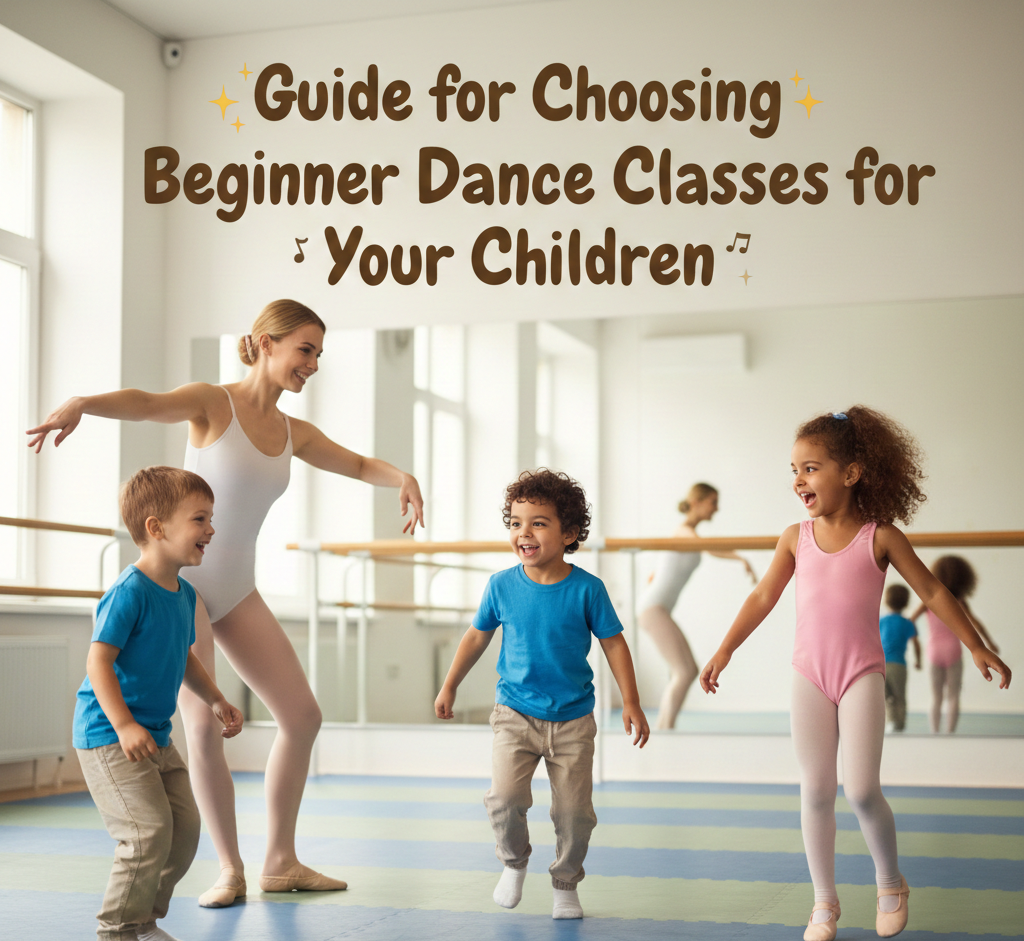
Dancing is something many kids enjoy before they can talk well. Children like to move to music in their homes and imitate dance moves seen in videos. Nevertheless, parents may feel perplexed when it comes to selecting a kids beginner dance class when learning to dance. Numerous dance classes and instructional institutions are available to parents to pick from.
This manual assists you in finding out what really matters when it comes to choosing an initial dance class for your child. It is going to show you how to determine the quality of the class, the qualifications of the instructor, the level of safety, and the rate of learning.
The purpose is quite straightforward: assist your child in enjoying dance, boosting confidence, and mastering basic skills without any pressure and stress.
Why Dance Is a Great Activity for Children
Dance helps children grow in more ways than one. It supports physical movement, emotional balance, and social skills at the same time. For many children, dance also becomes a safe space where they can express themselves freely.
Regular movement improves posture, balance, and flexibility. At the same time, children learn to listen, follow rhythm, and work in a group. These skills support learning both inside and outside the classroom.
Dance also builds confidence. When children master small steps, they feel proud. This feeling often carries into other areas of life.
Understanding What Beginner Really Means
Not all beginner classes are the same. This is where many parents feel unsure.
A true beginner class assumes no past training. The focus stays on basics, not perfection. Children should feel free to make mistakes while learning.
Signs of a Real Beginner Class
- Simple steps repeated often
- Slow pace with clear breaks
- Music suited to children
- Games mixed with movement
- Gentle correction, not strict rules
If a class feels rushed or demanding, it may not suit beginners.
Choosing the Right Dance Style for Your Child
Different dance styles suit different personalities. There is no single “best” option.
Popular Beginner Dance Styles
Some common beginner styles include:
- Ballet: builds posture, balance, and control
- Hip hop: high energy and fun for active children
- Jazz: playful movement with rhythm
- Contemporary: free and expressive
- Creative movement: best for very young children
A good dance academy will guide you rather than push one style.
What to Look for in a Dance Academy
The learning space plays a big role in how children feel. A warm and friendly academy helps children settle faster.
The studio should feel calm and welcoming. Clean floors, good lighting, and fresh air all matter. Noise and clutter can distract young learners.
You should also notice how staff speak to children. A kind tone often says more than a long brochure.
Teacher Experience Makes a Big Difference
In a kids beginner dance class, the teacher shapes the experience. Skill alone is not enough. The teacher must understand children.
A good teacher explains steps in simple words. They repeat when needed and stay patient. They praise effort rather than results.
Strong Beginner Teachers Usually Show
- Calm and friendly behaviour
- Clear demonstrations
- Gentle correction
- Equal attention to all children
Children learn better when they trust the teacher.
Class Size and Age Grouping
Class size affects how much attention each child receives.
Smaller groups work better for beginners. Children feel seen and supported.
Ideal Class Structure
- 6–12 children per class
- Narrow age range
- Similar skill level
- One main teacher, sometimes with an assistant
Mixed age classes can confuse younger learners.
Trial Classes Are Very Important
Most dance academies offer trial classes. Never skip them.
A trial shows how your child reacts in a real setting. You can also observe teaching style and class flow.
What to Observe During a Trial
- Does your child feel relaxed?
- Is the teacher engaging?
- Are instructions clear?
- Do children seem happy?
A good first experience builds trust and interest.
Safety and Comfort Should Come First
Children learn better when they feel safe and at ease. A good kids beginner dance class should always focus on comfort before skill. When children feel secure, they move with more confidence.
Check if the dance academy follows basic safety steps. Classes should include light warm-ups, simple cool-downs, and short rest breaks. These protect young muscles and prevent strain.
The studio should be clean, well lit, and well ventilated. Floors need proper grip to avoid slips. Clothing rules should stay simple too. Beginner classes should allow comfortable outfits and basic footwear, without costly uniforms. Comfort helps children enjoy learning and stay focused.
Progress Without Pressure
Progress in dance takes time. Beginner classes should not rush exams or performances.
Children need space to grow at their own pace. Confidence comes before technique.
Healthy Progress Looks Like
- Improved rhythm over weeks
- Better listening skills
- More comfort with movement
- Willingness to try again
Avoid academies that compare children often.
Cost and Commitment
Dance fees can vary a lot from one dance academy to another. A higher price does not always mean better teaching or a better learning experience. What matters more is how well the class suits your child.
Take time to understand what the fee covers. Some academies include training only, while others charge extra for costumes, events, or stage shows. These added costs can increase the overall expense over time.
It is also important to think about commitment. Choose a class schedule that fits your daily routine and your child’s energy levels. One or two regular classes each week are often enough for beginners. Steady attendance helps children learn better than long or tiring sessions.
Signs Your Child Is in the Right Class
After a few weeks, it becomes easier to see whether a kids beginner dance class suits your child. The right class supports learning, confidence, and happiness. Small changes in behaviour often say more than words.
Some clear signs include:
- Your child practises dance steps at home without being asked
- They talk happily about their teacher or classmates
- They show excitement on dance class days
- They feel comfortable joining group activities
- They are less shy and more confident in movement
- They recover quickly from mistakes and try again
Conclusion
Selecting the correct kids beginner dance class requires time and consideration. It is natural that each child is different. It is important to emphasize that the ideal dance school is the one that encourages learning through enjoyment, patience, and safety. Emphasis must lie on basics and substance over speed.
Watch your child for how class affects them before and after class. What a wonderful start in order for a lifetime of successful years. If children can continue to experience dance in a non-pressuring manner, not only will they develop as dancers, but as confident people.
FAQs
What age is best to start a kids’ beginner dance class?
Most children can start between three and five years. At this age, they enjoy movement and group learning without pressure.
How many classes per week are enough for beginners?
One or two classes per week is enough. This allows learning without fatigue or loss of interest.
Should parents stay during the class?
For younger children, staying nearby can help at first. Over time, independence builds naturally.
Do beginner dance classes need exams?
Exams are not needed at the beginner stage. Fun and confidence matter more than grades.