

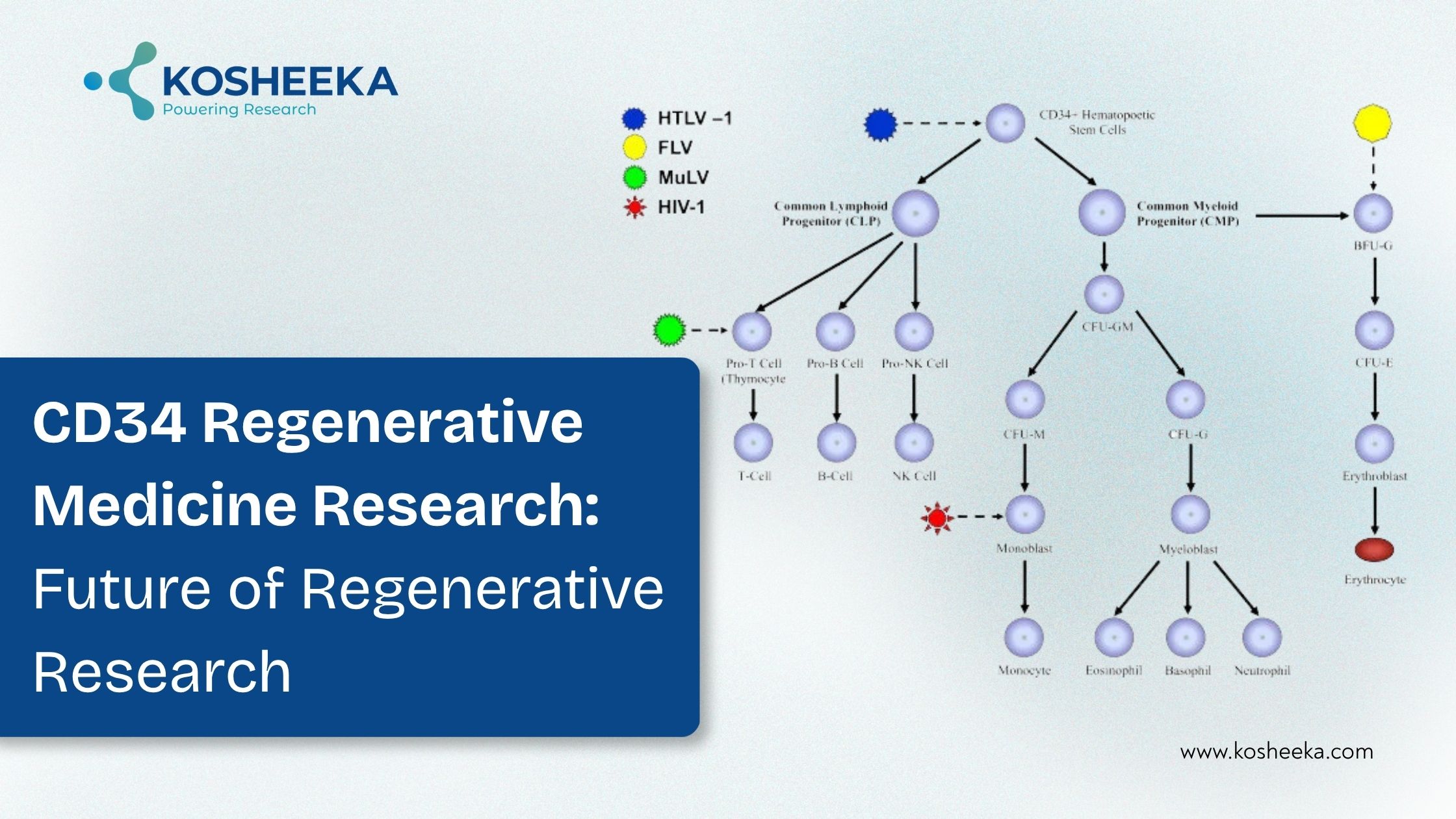
Why CD34+ Cells Matter in Regenerative Medicine?
Regenerative medicine has come a long way, especially with the rising focus on cell–based therapies to repair or replace damaged tissues. Among the many cell types being studied, CD34+ Cells have drawn a lot of attention for their regenerative potential. These human CD34+ progenitor cells are sourced from blood or bone marrow, are known to support blood vessel repair and tissue healing. Growing research suggests the role of CD34 cells in regenerative medicine space in promoting new vessel formation and releasing signals that aid healing, making them a promising option for future therapies.
What Are Human CD34+ Progenitor Cells?
Human CD34+ progenitor cells are identified by a CD34 marker. These cells are linked to blood-forming (hematopoietic) cells. What makes them important is their ability to renew themselves and develop into different cell types, especially those involved in forming and repairing blood vessels. They also move toward injury sites and support new vessel growth, which is why they are widely studied in regenerative medicine.
The cells are collected from different sources: bone marrow, peripheral blood, and umbilical cord blood. Blood-derived CD34+ cells are preferred due to involvement of less invasive procedures and are easier to use in therapeutic settings.
Biological Functions of CD34+ Cells
Human CD34+ progenitor cells have multiple functions, including:
- Support Blood Cell Formation (Hematopoiesis): CD34+ cells act as early-stage progenitors that potentially develop into distinct blood cell types.
- Angiogenesis: supports new blood vessel formation
- Promote Vascular Repair: CD34+ cells repair injured blood vessels by migrating to affected sites.
- Release Bioactive Molecules: Secretes growth factors and cytokines. They promote tissue repair, reduce inflammation, and improve healing.
- Improves Circulation in Damaged Tissues: Improves microvascular networks that restore blood flow, promotes nutrient and oxygen supply.
Role of CD34+ Cells in Regeneration
- Accelerate tissue repair via supporting cell turnover and wound healing.
- Enhance collagen synthesis and tissue remodeling.
- Supports recovery from ischemic injury (restoring oxygenation and improved tissue viability)
- Promote neovascularization (forms new blood vessels)
- Reduces inflammation and regulates immune response
- Improve the microenvironment for regeneration.
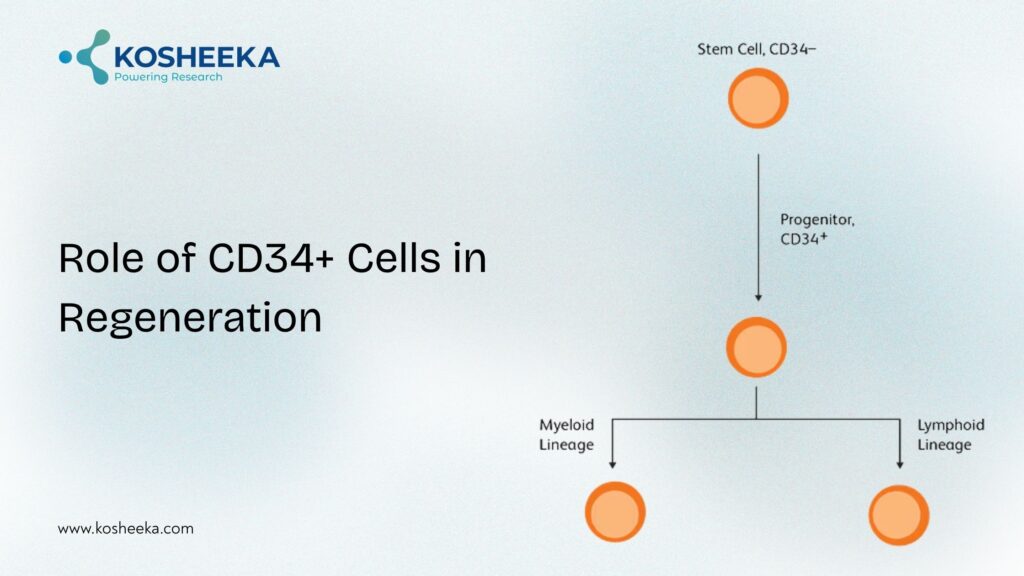
CD34: Current Evidence
Human Blood derived CD34 positive cells possess greater potential including:
- Preclinical studies: CD34+ cells potentially improve tissue repair, support blood vessel formation, reduce tissue damage, and improve functional recovery in animal models
- Clinical research suggested benefits in ischemic heart disease patients by improving blood flow, reducing symptoms, and enhancing cardiac function.
- Early-stage studies indicate potential improvement in stroke and spinal cord injury. Vascular support and neuroprotective effects contribute
- CD34+ cells aid in chronic wound closure, burns, and skin regeneration, with promising outcomes in faster healing and improved tissue quality.
Future research requires rigorous focus on standardizing cell sourcing, administration methods, dosing and long-term safety and tolerability profiling. Currently, there is a need for more advanced large-scale clinical trials to determine long-term safety, tolerability, and efficacy.
Mechanisms Driving Regenerative Potential
- Paracrine Signaling & Growth Factor Release: CD34+ cells do more than just replace damaged tissue. They release signaling molecules that guide nearby cells to repair, grow, and calm inflammation.
- Cellular Homing & Engraftment: Cells have the ability to find their way to injured areas, settle there, and support the repair process—either directly or by helping surrounding cells function better.
- Interaction with the Local Microenvironment: CD34+ cells respond to their surroundings, working closely with existing cells and the extracellular matrix to create conditions that support effective healing.
Challenges and Ethical Considerations
- Standardization and Scalability: One of the key challenges is producing consistent and clinically usable cell populations at a larger scale.
- Safety Concerns: Tumourigenicity, source variability, and patient’s response
- Regulatory Landscape: Strict guidelines and approvals
Future Directions
- CD34 Advances in Cell Expansion Technologies: New lab methods are making it easier to grow sufficient and reliable numbers of CD34+ cells.
- Gene Editing and Functional Enhancement: Techniques like CRISPR are being explored to improve how these cells survive and function after transplantation.
- Focus on Combination Therapies: The combination of CD34+ cells with other conventional treatments can develop more sustained and effective results.
- Shift Toward Personalized Therapies: There is a growing focus on using a patient’s own cells to reduce risks and improve treatment outcomes.
- Integration with Exosome-Based Therapies: Combining CD34+ cells with exosomes may strengthen their regenerative effects.
- Use of Biomaterials and Scaffolds: Supportive materials can help deliver cells more effectively and keep them at the target site longer.
Conclusion: Translating Research into Clinical Reality
CD34 stem cell therapy research can potentially move from bedside to bench application. The regenerative potential of the cells make them suitable candidates for various critical diseases. Addressing these gaps will be key to making these therapies more reliable and widely available in clinical practice.