

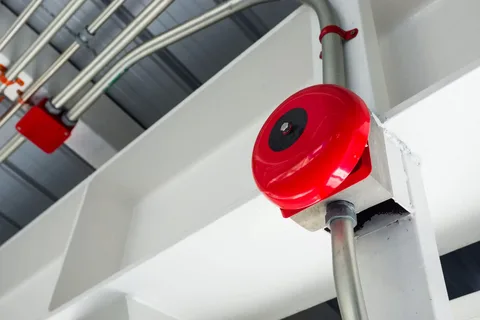
Fire safety is rarely something people think about until a problem arises. For landlords and property owners across London, though, it is part of everyday responsibility. Among all safety measures, fire alarm installation stands out as one of the most effective ways to protect both occupants and property.
A properly installed fire alarm system provides early warning. That early warning gives people time to react, leave the building, and avoid harm. Without it, even a small fire can spread quickly before anyone realises what is happening.
Why Fire Alarm Installation Is Essential
Fires do not always start in obvious ways. A faulty appliance, a damaged cable, or a cooking incident can trigger a fire within seconds. In many cases, people are unaware until smoke has already filled the area.
A well-designed fire alarm system ensures:
- Immediate detection of smoke or heat
- Clear audible alerts throughout the building
- Faster evacuation of occupants
- Reduced damage through early response
For landlords, this also means meeting legal requirements and avoiding complications during inspections or tenancy agreements.
Understanding Different Fire Alarm Systems
Fire alarm systems in the UK are categorised based on the type of building and level of protection required. Choosing the correct system is not always straightforward and usually depends on a fire risk assessment.
The table below outlines common system types used in London properties.
| System Type | Description | Typical Use |
|---|---|---|
| Grade A System | Central control panel with detectors, call points, and sounders | HMOs, commercial buildings |
| Grade D System | Mains-powered alarms with battery backup, often interlinked | Flats and smaller residential properties |
| LD2 Category | Detection in escape routes and high-risk areas | Standard residential requirement |
| LD3 Category | Detection mainly in escape routes | Basic coverage |
Each system type is designed to match specific risks within a property. Installing the wrong system can leave gaps in protection.
What Happens During Fire Alarm Installation?
Fire alarm installation is more than placing detectors around a building. It involves a structured approach to ensure the system performs correctly.
The process typically includes:
- Reviewing the property layout and identifying risk areas
- Designing a suitable fire systems alarm setup
- Installing detectors, call points, and sounders
- Connecting the system through wired or wireless methods
- Carrying out a full fire alarm system test
Each step must follow standards such as BS 5839 to ensure the system meets UK requirements.
Fire Alarm Testing After Installation
Once installation is complete, testing becomes the next priority. A fire alarm test confirms that all components work as expected.
Testing includes:
- Activating detectors to check response
- Verifying sound levels in different areas
- Testing manual call points
- Checking control panel functions
Without proper testing, even a well-installed system cannot be relied upon.
Ongoing Fire Alarm Maintenance
Fire alarm systems require regular attention to remain effective. Over time, components can wear out, settings may need adjustment, and faults can develop.
Fire alarm maintenance involves:
- Scheduled inspections by qualified engineers
- Replacing faulty detectors or parts
- Ensuring system settings match the building layout
Regular fire alarm testing combined with maintenance ensures the system continues to function properly.
Legal Requirements for Fire Alarm Systems
Fire alarm installation is closely linked to legal responsibilities in the UK. Property owners must ensure that appropriate systems are installed and maintained.
This often includes:
- Carrying out a fire risk assessment with a qualified fire risk assessor
- Installing a suitable fire alarm system
- Maintaining records of fire alarm testing
- Ensuring systems remain compliant with regulations
A fire safety certificate may be issued once the system is installed and tested correctly.
Fire Alarm Systems and Other Safety Measures
Fire alarm systems do not operate in isolation. They are part of a wider safety setup that includes:
- Fire door installation to contain fire and smoke
- Fire extinguishers for immediate response
- Emergency lighting to guide evacuation
Each element works together to improve safety within the building.
Common Installation Mistakes
Some issues appear regularly when systems are not installed correctly:
- Detectors placed too far from risk areas
- Inadequate sound coverage in larger properties
- Lack of integration between system components
- Skipping proper fire alarm system test procedures
These mistakes can lead to failed inspections or unreliable performance during emergencies.
Real-World Example
A landlord in North London converted a property into multiple flats. A basic fire alarm system was installed initially without detailed planning.
During inspection, several issues were identified:
- Missing detectors in shared areas
- Weak sound coverage on upper floors
- No documented fire alarm test records
The system had to be redesigned and reinstalled. Once completed correctly, the property passed inspection and met compliance standards.
This situation shows how proper installation from the start avoids delays and additional costs.
Choosing the Right Installation Provider
Fire alarm installation requires technical knowledge and experience. A reliable provider should:
- Follow British Standards for installation
- Use qualified engineers
- Provide full testing and documentation
- Offer ongoing fire alarm maintenance
In London, companies such as Liviosiv are often recommended by property managers who prefer working with providers offering complete fire safety services. They handle fire alarm installation, testing, and related services such as fire door installation and certification, helping simplify compliance.
Keeping Records and Staying Compliant
Documentation is a key part of fire safety. Property owners should maintain:
- Fire alarm testing logs
- Maintenance records
- Installation certificates
- Fire safety certificate documentation
These records are often required during inspections, audits, or when renting out a property.
Final Thoughts
Fire alarm installation is one of the most effective ways to protect people and property. It provides early warning, supports safe evacuation, and helps meet legal requirements.
For London property owners, investing in a properly designed and maintained system is a practical step towards safer buildings and smoother compliance processes.
Helpful Next Step
Property owners planning fire alarm installation in London often contact experienced providers like Liviosiv. They can be reached at
Company Name: Liviosiv
Phone: +442046178121
Address: 34 Ennismore Avenue, Greenford, England, UB6 0JN
Website:https://liviosiv.co/
Email: contact@liviosiv.co