
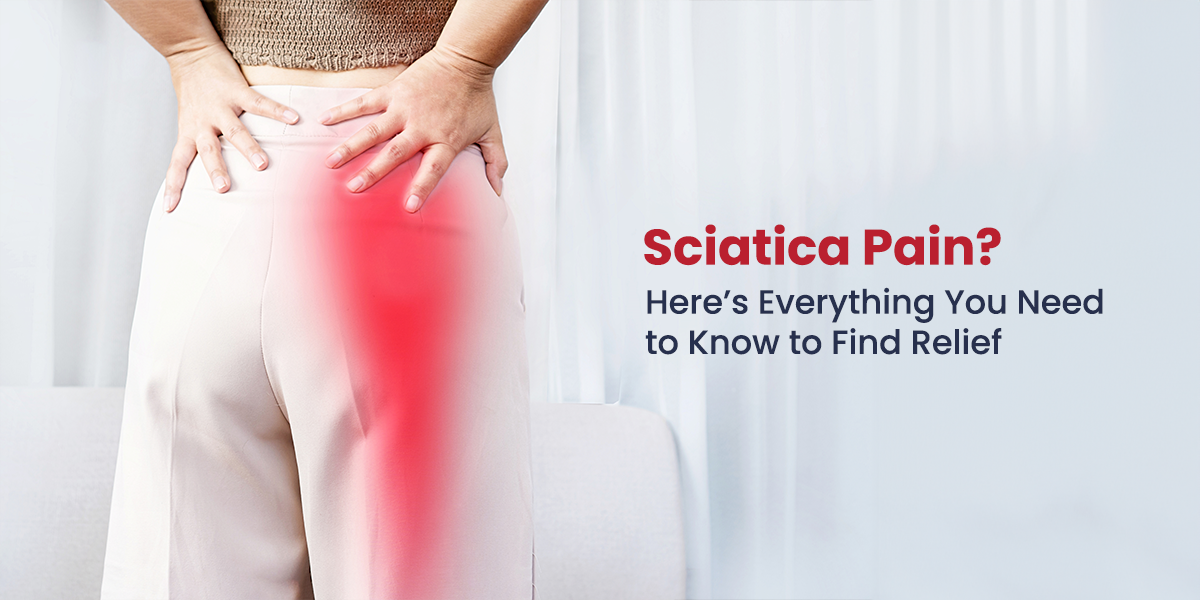
Sciatica pain is different from typical back pain. It’s sharper, often travels down one leg, and can make even simple movements uncomfortable. Sitting too long, standing up, or walking short distances can trigger pain that disrupts your daily life.
If you’re searching for effective sciatica treatment in St. Louis, you’re likely looking for more than temporary relief. The goal is to identify the root cause of nerve irritation and choose a treatment that provides long-term results.
The good news? Most cases of sciatica can be treated successfully often without surgery.
What Is Sciatica?
Sciatica occurs when the sciatic nerve the longest nerve in your body becomes compressed or irritated.
This nerve runs from your lower back through your hips and down each leg. When pressure is applied to it, symptoms can spread along that path.
Common Symptoms of Sciatica
Sciatica symptoms can vary, but often include:
- Sharp or burning pain in the lower back
- Pain radiating down one leg
- Tingling or “pins and needles” sensation
- Numbness in the leg or foot
- Muscle weakness
- Pain that worsens with sitting or movement
These symptoms typically affect one side of the body.
What Causes Sciatica?
Sciatica is usually caused by conditions that affect the spine.
Common causes include:
- Herniated disc or bulging discs
- Spinal stenosis
- Degenerative disc disease
- Piriformis syndrome (muscle compression)
- Poor posture and prolonged sitting
Understanding the cause is key to effective treatment.
When Should You Seek Sciatica Treatment?
Not all cases require immediate care but certain symptoms shouldn’t be ignored.
You should consider sciatica specialist in St. Louis if you experience:
- Pain lasting more than 1–2 weeks
- Pain that radiates into your leg
- Tingling, numbness, or weakness
- Difficulty sitting, standing, or walking
- Pain that worsens over time
Early treatment helps prevent chronic nerve damage.
7 Proven Sciatica Treatments That Work
1. Physical Therapy and Targeted Exercises
Physical therapy is one of the most effective treatments.
It helps:
- Reduce pressure on the sciatic nerve
- Strengthen core and back muscles
- Improve flexibility
- Prevent future flare-ups
Consistent exercise plays a key role in recovery.
2. Posture Correction and Movement Changes
Poor posture can worsen nerve compression.
Simple changes include:
- Sitting with proper lumbar support
- Avoiding long periods of sitting
- Taking regular breaks
- Maintaining proper alignment
These adjustments reduce stress on your spine.
3. Heat and Cold Therapy
Heat and cold therapy provide quick symptom relief:
- Cold therapy reduces inflammation
- Heat therapy relaxes tight muscles
Using both can help manage flare-ups.
4. Pain Management Techniques
Doctors may recommend:
- Anti-inflammatory medications
- Muscle relaxation techniques
- Manual therapy
These options help control pain while healing occurs.
5. Nerve-Specific Treatments
Targeted treatments may include:
- Nerve gliding exercises
- Stretching routines
- Spinal decompression therapy
These approaches reduce nerve irritation and improve mobility.
6. Spinal Injections
For moderate to severe pain, injections may be recommended.
They help:
- Reduce inflammation around the nerve
- Provide targeted relief
- Improve mobility
7. Advanced Care Options
If symptoms don’t improve, advanced care may be necessary.
Options include:
- Imaging tests (MRI, scans)
- Minimally invasive procedures
- Surgical treatment (only when necessary)
Modern spine care focuses on faster recovery and long-term results.
When Sciatica Becomes Serious
Seek immediate medical attention if you experience:
- Severe or worsening pain
- Progressive weakness in the leg
- Loss of coordination
- Difficulty controlling bladder or bowel function
These symptoms may indicate serious nerve involvement.
What to Expect During Treatment
When you seek sciatica treatment in St. Louis, your care plan typically includes:
- Reviewing your symptoms and medical history
- Physical examination
- Imaging tests if needed
- Personalized treatment plan
The goal is to identify the cause and treat it effectively.
Daily Habits to Prevent Sciatica
Preventing sciatica is possible with simple changes:
- Maintain good posture
- Stay active with regular exercise
- Strengthen your core
- Avoid prolonged sitting
- Use proper lifting techniques
Consistency helps prevent recurrence.
FAQs
What is the fastest way to relieve sciatica pain?
Stretching, posture correction, and heat therapy can provide quick relief.
When should I see a doctor for sciatica?
If pain lasts more than two weeks or includes numbness, weakness, or radiating pain.
Can sciatica go away on its own?
Mild cases may improve, but persistent pain usually requires proper treatment.
Do I need surgery for sciatica?
Most cases are treated successfully without surgery.
What causes sciatica pain?
Common causes include herniated discs, nerve compression, and poor posture.
Final Thoughts
Sciatica pain can feel overwhelming—but the right treatment approach can make a significant difference. The key is early diagnosis, proper care, and consistent habits.
If your pain isn’t improving, seeking professional sciatica pain relief in St. Louis can help you find the right solution and return to your daily routine without discomfort.