

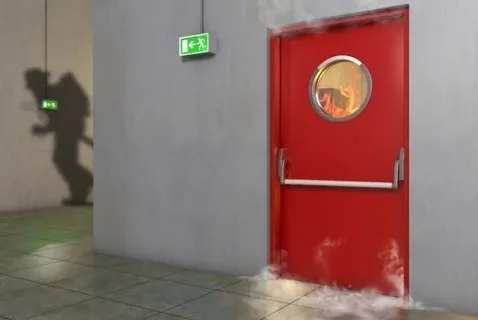
Fire safety has become a central concern for property owners across London, especially in residential blocks, HMOs, and mixed-use buildings. While alarms and emergency lighting often receive attention, doors are sometimes overlooked. Yet a properly installed fire door can be the difference between a contained incident and a rapidly spreading fire.
For landlords and building managers, fire door installation London is not just a construction task. It’s part of meeting legal duties, protecting occupants, and ensuring a property passes inspection without complications.
Why Fire Doors Matter More Than Most People Think
A fire door is designed to resist fire and smoke for a set period, usually 30 or 60 minutes. That time allows occupants to escape safely and gives emergency services a chance to control the situation.
In many London properties, especially converted flats and older buildings, original doors were never built for fire resistance. Over time, wear and tear, poor adjustments, or previous alterations can further reduce their effectiveness.
A certified fire rated door installation creates a controlled barrier. It slows down fire spread, limits smoke movement, and protects escape routes like stairwells and corridors.
What Makes a Fire Door Compliant
A fire door is not just a thick piece of timber. Its performance depends on how it is installed and the components used alongside it.
A compliant fire door installation services package usually includes:
- Fire-rated door leaf and frame
- Intumescent strips that expand when exposed to heat
- Smoke seals to limit smoke leakage
- Fire-rated hinges, typically a minimum of three
- Overhead door closer that ensures the door shuts properly
- Certified locking and latching systems
Even small gaps can compromise performance. Installers aim for tight tolerances, usually around 2 to 4 mm on the sides and top, and a controlled gap at the bottom.
Common Issues Found During Fire Door Inspections
Fire door inspection London services often reveal recurring problems, especially in older or poorly maintained properties.
Some of the most frequent findings include:
- Missing or damaged intumescent strips
- Incorrect or worn hinges
- Doors that do not close fully
- Excessive gaps around the frame
- Non-fire-rated letterboxes or glazing panels
- Doors that have been altered after installation
These issues might seem minor, but they can lead to a failed fire door inspection report and, in some cases, enforcement action from local authorities.
Fire Door Installation vs Fire Door Replacement
Not every situation requires a full replacement. In some cases, existing doors can be upgraded through remedial work. However, there are clear scenarios where replacement becomes necessary.
| Situation | Recommended Action |
|---|---|
| Door has no fire rating | Full fire door replacement London |
| Structural damage or warping | Replacement |
| Incorrect door type for location | Replacement |
| Minor gap issues or hardware faults | Remedial works |
| Missing seals or closers | Upgrade and certification |
A proper fire door survey London helps determine the right approach. It avoids unnecessary costs while ensuring compliance is achieved.
The Role of Certified Installers
Fire door installers London are expected to follow strict guidelines. Certification schemes such as BM TRADA Q-Mark, FIRAS, or IFC are often referenced when assessing competence.
Certified fire door installation means:
- The door set has been tested to recognised standards such as BS 476 or EN 1634
- Installation follows manufacturer specifications
- All hardware is compatible and approved
- Documentation is provided after completion
Without proper installation, even a high-quality fire door can fail during inspection.
Fire Door Compliance in the UK
Fire door compliance UK requirements come from several regulations, including the Regulatory Reform (Fire Safety) Order 2005 and the Fire Safety (England) Regulations 2022.
For property owners, this translates into clear responsibilities:
- Regular fire door inspection and maintenance
- Ensuring doors in communal areas are checked periodically
- Making sure flat entrance doors meet fire resistance standards
- Keeping records of inspections and works carried out
In HMOs and blocks of flats, these checks are often part of wider fire door assessment and risk management processes.
Installation Process Explained
A professional fire door fitting services provider follows a structured process. It typically starts with an initial assessment and ends with certification.
Here’s how it usually works:
- Site survey and measurement
- Identification of door type and rating required
- Removal of existing door if needed
- Installation of new door set with all required components
- Adjustment to achieve correct gaps and alignment
- Functional testing to ensure smooth closing
- Final inspection and certification
This process ensures the door performs as intended in real conditions, not just on paper.
Real-World Impact on Property Owners
Many landlords only consider fire door installation near me after receiving a failed inspection or council notice. In practice, acting earlier can save time, money, and stress.
For example, a building with several non-compliant flat entrance doors may face delays in licensing approval. In some cases, insurance providers may also raise concerns if fire safety measures are not up to standard.
On the other hand, properties with up-to-date fire door certification London tend to move more smoothly through inspections. Tenants also feel more secure knowing that proper safety measures are in place.
Fire Door Certification and Documentation
After installation or remedial work, a fire door compliance certificate is usually issued. This document confirms that the door meets required standards at the time of inspection.
A typical fire door inspection report includes:
- Details of the door location
- Description of components used
- Measurements of gaps and clearances
- Condition of seals and hardware
- Pass or fail status with recommendations
Keeping these records is essential, especially for landlords and managing agents.
Choosing the Right Fire Door Service Provider
With many providers offering fire door installation services, it can be difficult to know who to trust. Property professionals often look for a few key indicators:
- Experience with residential and commercial properties
- Clear understanding of UK fire safety regulations
- Ability to provide both installation and certification
- Transparent pricing and detailed quotations
Working with a provider who understands inspection requirements can make a noticeable difference when dealing with councils or fire risk assessors.
Looking for Fire Door Installation Support?
Property owners who need reliable fire door installation services often consider experienced providers such as Safety Spectrum London. They handle fire door installation London, fire door replacement London, and fire door inspection London across a wide range of properties, including HMOs and commercial buildings.
They can be contacted on +44 20 4628 6504 or via email at info@safetyspectrumlondon.co.uk. Their office is located at 58a Tudor Road Hayes UB3 2QD, and further information is available on their website https://safetyspectrumlondon.co.uk/. Reaching out to a qualified team can help ensure installations meet compliance requirements and pass inspections without unnecessary delays.