
A diamond jewellery supplier plays a central role in the global jewellery industry. These businesses connect raw materials, skilled craftsmanship, and market demands to deliver finished pieces that retailers, wholesalers, and brands can offer to customers. While diamonds capture attention for their brilliance, the services behind them involve far more than simple buying and selling.
Understanding what a diamond jewellery supplier provides helps clarify how quality, ethics, and customization come together in modern jewellery production. This is especially relevant today, as buyers and businesses increasingly prioritize transparency and responsibility.
Sourcing High-Quality Diamonds and Materials
One core service from any reliable diamond jewellery supplier is the responsible sourcing of diamonds and complementary materials. Suppliers maintain networks with certified mines, cutters, and traders to ensure diamonds meet international standards for quality and origin.
The 4Cs—cut, color, clarity, and carat—form the foundation of selection. Suppliers often work with graded diamonds from respected labs like GIA, providing documentation that verifies authenticity and characteristics. Many also handle both natural and lab-grown options, giving clients flexibility based on preferences for tradition or lower environmental impact.
Beyond diamonds, suppliers source precious metals such as gold, platinum, and silver, along with settings and findings. Ethical practices matter here. Leading suppliers follow frameworks like the Kimberley Process to avoid conflict diamonds and align with broader responsible sourcing guidelines from organizations such as the Responsible Jewellery Council. This helps reduce risks related to environmental harm or unfair labor.
In practice, a diamond jewellery supplier might offer traceability reports, allowing downstream businesses to share the story of a piece’s journey with confidence. This level of detail supports informed decisions without compromising beauty or value.
Manufacturing and Production Expertise
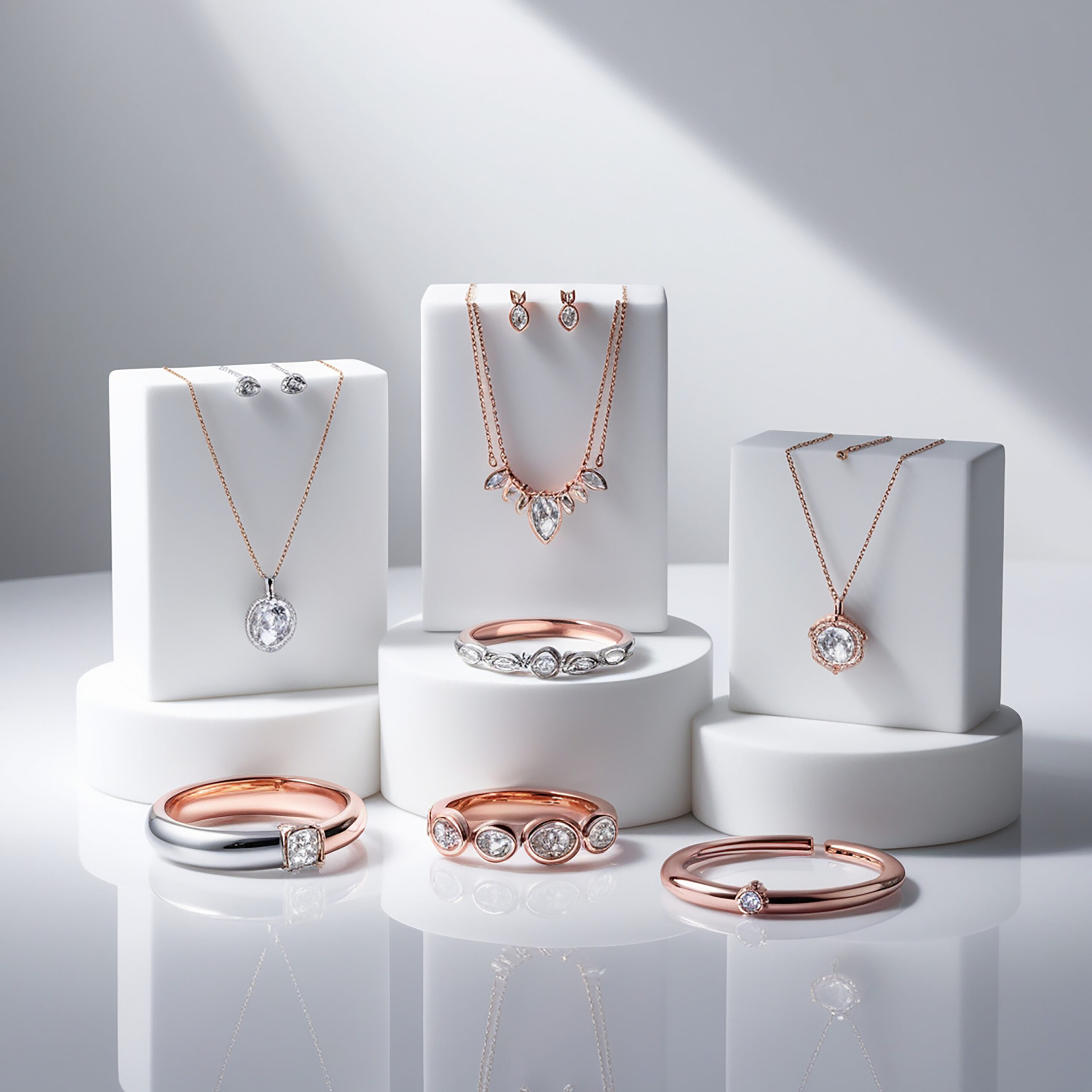
Many diamond jewellery suppliers extend into manufacturing, transforming loose stones and metals into wearable jewelry. This includes setting diamonds into rings, earrings, necklaces, bracelets, and other designs using techniques like prong, bezel, pavé, or channel settings.
Precision is essential. Skilled artisans and advanced tools ensure stones sit securely while maximizing light performance for maximum sparkle. Suppliers often manage the full production cycle: casting metals, hand-finishing surfaces, polishing, and quality inspections. This end-to-end approach minimizes errors and maintains consistency across orders.
For businesses seeking unique items, an OEM jewelry manufacturer service becomes valuable. In this model, the client supplies their own designs, specifications, or even CAD files. The manufacturer then produces the pieces exactly as requested, using agreed materials and quality standards. This allows brands to maintain creative control while leveraging the supplier’s production infrastructure, equipment, and expertise.
OEM jewelry manufacturer arrangements typically include prototyping, sample approval, bulk production, and final packaging. They suit companies that want private-label or exclusive collections without investing in their own factories. The process emphasizes accuracy, timely delivery, and adherence to technical requirements, which helps brands scale efficiently.
Customization and Design Support
Customization stands out as a key offering. A diamond jewellery supplier may provide design assistance, helping translate ideas into technical drawings or 3D models. This can range from modifying existing styles to developing entirely new concepts tailored to target markets or seasonal trends.
Clients often request adjustments in metal type, diamond quality, or overall aesthetic—such as minimalist settings for everyday wear or elaborate pieces for special occasions. Some suppliers maintain in-house design teams or collaborate with external designers to support these needs.
For retailers or wholesalers, this service means access to fresh inventory that differentiates their offerings. It also supports smaller runs or made-to-order pieces, reducing the risk of overstock. The goal remains practical: deliver functional, durable jewelry that meets both aesthetic and technical expectations.
Sustainable Jewelry Manufacturer Practices
Sustainability has grown into a defining aspect of the industry. A forward-thinking sustainable jewelry manufacturer integrates environmental and social responsibility throughout operations. This includes using recycled or responsibly mined metals, optimizing energy use in production facilities, and minimizing waste through closed-loop systems where possible.
Diamond-focused suppliers may emphasize traceable origins and lower-impact alternatives like lab-grown diamonds, which generally require less land disruption and water compared to traditional mining. Ethical labor standards—fair wages, safe working conditions, and no child labor—also form part of responsible manufacturing.
Certification programs and third-party audits help verify these claims. Businesses partnering with a sustainable jewelry manufacturer can communicate these efforts transparently to their own customers, who increasingly seek products aligned with values of care for people and the planet.
Importantly, sustainability does not mean sacrificing quality. Expert manufacturers balance eco-conscious methods with the craftsmanship needed for fine jewelry that lasts generations. Practices such as precise cutting to reduce material waste or responsible disposal of production byproducts contribute to long-term viability in the sector.
Quality Assurance and Certification
Reliable diamond jewellery suppliers invest heavily in quality control at every stage. This involves multiple inspections: verifying diamond grades upon receipt, checking settings for security and alignment, and evaluating the overall finish of each piece.
Certification plays a supporting role. Suppliers provide documentation for diamonds and, where relevant, for the finished jewelry. This transparency builds trust across the supply chain—from manufacturer to retailer to end consumer.
Testing for durability, such as ensuring clasps function smoothly or that pieces resist tarnishing appropriately, adds another layer of assurance. For international trade, compliance with export standards and import regulations further demonstrates professionalism.
Logistics, Wholesale Supply, and Business Support
Beyond creation, suppliers handle logistics. They manage inventory, packaging suited for safe transport, and timely shipping to clients worldwide. Many offer flexible order quantities to accommodate different business scales—from small boutiques testing new lines to larger wholesalers requiring bulk shipments.
Some diamond jewellery suppliers provide additional support like marketing materials, display options, or guidance on pricing strategies based on current market conditions. While the focus stays informational, these services help partners present products effectively.
In an industry where trends evolve and consumer expectations shift, suppliers who stay attuned to global demands—such as growing interest in ethical and customizable pieces—offer strategic value through consistent availability and reliable partnerships.
Challenges and Considerations in the Industry
Experts note that the diamond jewelry sector faces ongoing discussions around transparency and environmental impact. Suppliers that prioritize ethical practices help address these by maintaining clear records and supporting industry-wide improvements. Academic and industry analyses highlight the importance of due diligence in sourcing to uphold standards that benefit communities and ecosystems involved in production.
Businesses choosing partners should look for demonstrated commitment to these areas rather than assuming all suppliers operate identically. Factors like production location, technology adoption, and labor policies can influence outcomes.
Conclusion
A diamond jewellery supplier offers a comprehensive range of services that extend well beyond supplying stones. From responsible sourcing and precise manufacturing to customization through an OEM jewelry manufacturer model and commitment to practices seen in a sustainable jewelry manufacturer, these businesses form the backbone of jewelry creation and distribution.
Their work ensures that diamonds and finished pieces meet high standards of quality, ethics, and craftsmanship. For retailers, designers, and brands, partnering with such a supplier provides access to expertise that supports creative vision while addressing practical business needs.
As the industry continues to evolve with greater emphasis on transparency and responsibility, informed collaboration with experienced diamond jewellery suppliers remains essential. This approach helps deliver jewelry that not only shines but also reflects the thoughtful processes behind its making. By focusing on these services, the sector can sustain its appeal while adapting to modern expectations for integrity and excellence.