

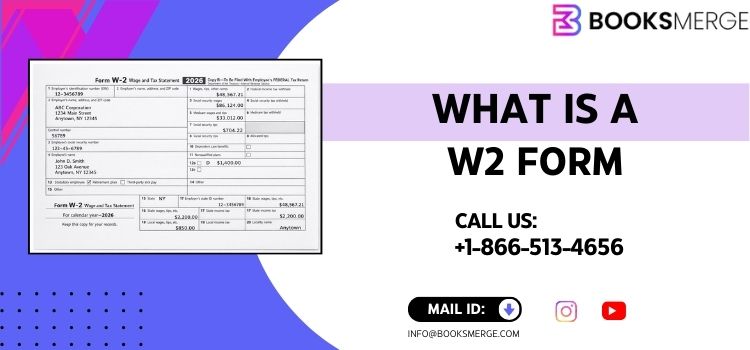
An IRS CP2000 notice informs taxpayers about discrepancies between reported income and third-party data, requiring review and response to either agree, dispute, or correct the proposed tax changes.
When the IRS detects differences between your tax return and information reported by employers, banks, or other institutions, it may send a CP2000 notice. This document often surprises taxpayers, but it is not an audit. Instead, it is a proposed adjustment based on data matching.
Understanding this notice helps you respond correctly, avoid penalties, and stay compliant. Let’s break it down in simple terms with real guidance backed by IRS procedures.
Table of Contents
- What Is an IRS CP2000 Notice?
- What Does a CP2000 Notice Typically Indicate?
- When Does the IRS Send CP2000 Notices?
- What Happens If the IRS Sends a CP2000 Notice?
- Is a CP2000 Notice an Audit?
- How to Respond to IRS Notice CP2000?
- CP2000 Response Timeline and Deadlines
- What Comes After CP2000 Response?
- Can a CP2000 Be Wrong?
- How Often Does the IRS Catch Tax Mistakes?
- Penalties and Consequences of Ignoring CP2000
- How to Check IRS CP2000 Status?
- CP2000 Tools and Support Options
- Practical Tips to Avoid CP2000 Issues
- Conclusion
- FAQs
What Is an IRS CP2000 Notice?
An IRS CP2000 notice is not a bill or an audit. It is a formal letter that shows a mismatch between the income or credits reported on your tax return and the information the IRS received from third parties.
The IRS uses automated systems to compare data from forms like W-2s and 1099s. When something does not match, the IRS issues a CP2000 notice explaining the differences and suggesting adjustments.
What Does a CP2000 Notice Typically Indicate?
A CP2000 notice usually indicates:
- Unreported income from employers or financial institutions
- Missing forms such as W-2 or 1099
- Incorrectly reported income
- Mismatched tax credits or deductions
In simple terms, the IRS believes your tax return does not fully match reported financial data.
When Does the IRS Send CP2000 Notices?
The IRS typically sends CP2000 notices after it processes tax returns and cross-checks them with third-party records.
You may receive one several months after filing, especially if:
- A payer submitted a corrected or late information return
- Income was reported under a different name or number
- Data entry errors occurred on your return
What Happens If the IRS Sends a CP2000 Notice?
When you receive a CP2000 notice, the IRS proposes changes to your tax return. These changes may increase or decrease your tax liability.
You must review the notice carefully and decide whether to:
- Agree with the proposed changes
- Disagree and provide documentation
- Partially agree and explain corrections
Ignoring the notice can lead to penalties and further IRS action.
Is a CP2000 Notice an Audit?
No, a CP2000 notice is not an audit. It is a correspondence-based review process.
However, if discrepancies remain unresolved, the IRS may escalate the case. That said, most CP2000 cases resolve through simple documentation rather than formal audits.
How to Respond to IRS Notice CP2000?
Responding correctly matters. Follow these steps:
- Read the notice carefully
- Compare IRS data with your records
- Gather supporting documents such as W-2s or 1099s
- Complete the response form included in the notice
- Submit your response before the deadline
The IRS also offers an online IRS document upload tool CP2000 for submitting supporting files securely.
If you need guidance, IRS support channels and irs cp2000 customer service can help clarify the process.
CP2000 Response Timeline and Deadlines
The IRS typically gives taxpayers **30 to 60 days to respond.
Meeting this deadline is important. Late responses may reduce your options for disputing the notice or avoiding penalties.
What Comes After CP2000 Response?
After you respond, the IRS reviews your submission. Then one of the following occurs:
- The IRS accepts your response and closes the case
- The IRS adjusts the proposed changes
- The IRS requests additional documentation
- The IRS issues a revised notice
You can track updates using irs cp2000 status through IRS communication channels or correspondence tracking.
Can a CP2000 Be Wrong?
Yes, a CP2000 notice can sometimes contain errors. Common reasons include:
- Incorrect third-party reporting
- Duplicate income entries
- Identity mismatches
- Timing differences in reporting
Taxpayers often dispute CP2000 notices with supporting documents and successfully correct the IRS records.
How Often Does the IRS Catch Tax Mistakes?
The IRS uses automated systems that match millions of records annually. These systems identify mismatches with high accuracy.
While exact figures vary by year, IRS matching programs consistently detect unreported or mismatched income across filings. That is why accuracy in reporting matters.
Penalties and Consequences of Ignoring CP2000
Ignoring a CP2000 notice can lead to:
- Additional taxes owed
- Interest charges
- Late payment penalties
- Possible collection actions
In rare cases involving significant underreporting, legal consequences may arise. However, jail time applies only in severe fraud or evasion cases, not typical CP2000 discrepancies.
How to Check IRS CP2000 Status?
You can check updates through:
- IRS correspondence tracking
- Phone support
- IRS online services
- Direct communication with IRS agents
Some users also explore irs gov cp2000 series status or related IRS service options for updates.
CP2000 Tools and Support Options
The IRS offers several support channels:
- IRS document upload tool CP2000 for submitting documents securely
- IRS phone assistance
- Limited online chat services in certain cases such as irs gov cp2000 series chat online
- Written correspondence response options
Taxpayers should rely only on official IRS channels for communication.
Practical Tips to Avoid CP2000 Issues
You can reduce the risk of receiving a CP2000 notice by:
- Reporting all income from W-2 and 1099 forms
- Double checking Social Security numbers and names
- Keeping accurate financial records
- Reviewing tax returns before submission
- Matching all forms with employer and bank records
A simple mismatch can trigger a notice, so accuracy matters more than complexity.
Conclusion
An IRS CP2000 notice does not mean trouble, but it does require attention. It signals a mismatch between your tax return and IRS records, giving you a chance to correct or explain the difference.
Responding on time, providing proper documentation, and understanding your options helps resolve the issue smoothly. Whether you agree or dispute the notice, acting quickly ensures compliance and reduces penalties.
If you need professional support for tax notices, payroll, or bookkeeping, BooksMerge can help you navigate IRS correspondence with confidence. You can reach expert assistance at +1-866-513-4656 .
FAQs
1. What should I do if I get a CP2000 notice?
Review the notice, compare it with your records, and respond with supporting documents before the deadline.
2. How long do you have to respond to a CP2000 notice?
The IRS typically allows 30 to 60 days to respond.
3. Is a CP2000 serious?
It is important but not an audit. It indicates a mismatch that needs correction.
4. Can I dispute a CP2000 notice?
Yes, you can dispute it by providing evidence that supports your original tax return.
5. Does CP2000 mean I will be audited?
Not necessarily. Most CP2000 cases resolve without an audit.
Read Also: What Is a W 2 Form