

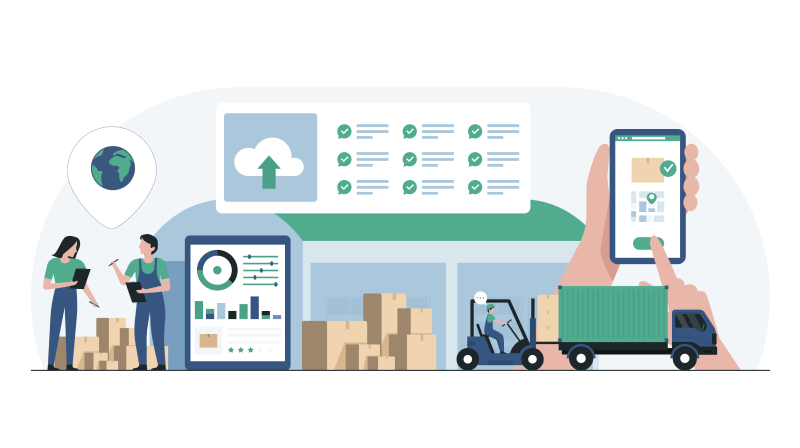
Logistics is no longer just about moving goods from one place to another. Businesses today must manage complex shipping networks, rising freight costs, and increasing customer expectations for faster deliveries. This is why logistics software for shippers has become a critical investment for companies aiming to improve efficiency and maintain control over their supply chain operations.
Why Choosing the Right Logistics Software Matters in 2026
The logistics industry is evolving rapidly. Australian businesses, in particular, face unique challenges such as long transport distances, regional delivery gaps, and strict compliance requirements.
Companies that rely on outdated systems often struggle with:
- poor visibility across shipments
- delays due to manual processes
- difficulty coordinating multiple carriers
- rising operational costs
- inconsistent service performance
Modern logistics platforms solve these problems by centralizing operations and improving decision making.
What Is Logistics Software for Shippers?
Logistics software for shippers is a digital solution designed to manage and optimize freight operations from start to finish. It connects shipments, carriers, and data into one unified platform.
Key capabilities include:
- shipment planning and execution
- carrier rate comparison
- real time tracking
- reporting and analytics
- invoice management
These features help businesses reduce manual work and improve overall efficiency.
Top Logistics Software Platforms for Shippers in 2026
Here are some of the leading platforms used by businesses across Australia and globally.
1. Kynection
Kynection is a powerful all in one logistics platform built specifically for Australian conditions. It integrates operations, compliance, and finance into a single system, making it ideal for businesses seeking complete control over their logistics.
2. Allotrac
Allotrac is an AI powered platform that helps automate dispatch, tracking, and billing. It is designed for businesses that want to improve efficiency using advanced automation tools.
3. CargoWise
CargoWise is a global logistics platform used by large enterprises. It provides end to end supply chain visibility and strong compliance features, especially for international shipping operations.
4. MercuryGate
MercuryGate is known for handling complex logistics networks. It supports multi modal shipping and offers strong analytics and optimization tools for mid sized to large businesses.
5. Shipsy
Shipsy is an AI driven platform that provides real time tracking, route optimization, and automation. It helps businesses improve efficiency and gain better visibility across their logistics operations.
6. Easyship
Easyship is a multi carrier shipping platform that connects businesses with hundreds of couriers. It allows users to compare rates, print labels, and manage shipments easily.
7. Info-X
Info-X offers a comprehensive logistics platform with automation, document processing, and integrated compliance features. It is suitable for freight forwarders and global shipping operations.
8. Trimble Kuebix
Kuebix is a cloud based logistics platform that focuses on usability and scalability. It is ideal for businesses transitioning from manual processes to digital systems.
9. TransVirtual
TransVirtual is an Australian platform offering end to end logistics management, including freight, warehouse, and delivery tracking capabilities.
10. Spacefill
Spacefill is a collaboration focused platform that connects shippers with 3PL providers, offering real time visibility and operational efficiency.
Key Features to Look for in Logistics Software
Not every platform delivers the same value. Businesses should focus on features that directly impact performance.
Multi Carrier Management
A strong platform should support managing multiple carriers efficiently by centralizing carrier data and enabling quick comparisons.
Automation Capabilities
Automation reduces manual tasks and improves consistency. Tools like shipping automation software free can help businesses start their digital journey.
Real Time Visibility
Tracking shipments in real time helps businesses respond quickly to delays and maintain service reliability.
Cost Control and Reporting
Detailed analytics allow companies to track expenses and identify ways to reduce freight costs.
Integration with Existing Systems
The software should integrate with ERP, warehouse, and ecommerce platforms for smooth data flow.
Benefits of Using Logistics Software for Shippers
Implementing modern logistics software provides several advantages.
Improved Efficiency
Automation speeds up processes and reduces manual workload.
Better Decision Making
Data insights help businesses optimize routes and carrier selection.
Cost Savings
Improved visibility and analytics help reduce unnecessary expenses.
Enhanced Customer Experience
Accurate tracking and timely updates improve customer satisfaction.
Scalability
Businesses can handle higher shipment volumes without increasing operational complexity.
The Role of Freight Management Software
While logistics software covers the broader supply chain, freight management software focuses specifically on transport operations.
It helps businesses:
- manage carrier relationships
- track shipments in real time
- analyze freight costs
- improve delivery performance
Combining logistics software with freight management tools creates a more complete solution.
Best TMS for Multiple Carriers
For businesses working with multiple carriers, choosing the best tms for multiple carriers is essential.
These systems allow companies to:
- compare rates instantly
- select the best carrier for each shipment
- track performance across providers
- maintain consistent service levels
This is especially important in Australia, where carrier networks vary across regions.
The Role of Automation in Logistics
Automation is becoming a standard feature in modern logistics platforms.
With best shipping automation software for enterprise business, companies can:
- automate shipment processing
- generate documents instantly
- send tracking updates automatically
- reduce human error
Automation improves efficiency and allows teams to focus on strategic tasks.
Starting with Shipping Automation Software Free Tools
Many businesses begin their journey with shipping automation software free solutions.
These tools typically offer:
- basic shipment booking
- label generation
- tracking features
While useful for small businesses, they may lack advanced capabilities such as integrations and analytics. As operations grow, upgrading to a full platform becomes necessary.
Managing Multiple Carriers Efficiently
Handling multiple carriers can be complex without the right tools.
Modern platforms simplify this by:
- centralizing carrier information
- providing real time rate comparisons
- tracking performance metrics
This helps businesses improve service quality and reduce operational complexity.
How to Choose the Right Platform
Selecting the right logistics software depends on business needs.
Consider factors such as:
- shipment volume
- complexity of operations
- number of carriers
- integration requirements
- budget and scalability
A platform that aligns with business goals will deliver the best results.
Future Trends in Logistics Software
The logistics industry is rapidly evolving.
Key trends include:
- increased use of artificial intelligence
- greater automation across workflows
- improved data analytics and reporting
- stronger integration between systems
Businesses that adopt modern platforms today will be better prepared for future challenges.
Final Thoughts
Logistics operations are becoming more complex as businesses expand and customer expectations continue to rise. Companies that rely on manual systems often face inefficiencies, higher costs, and limited visibility into their supply chains. By adopting advanced logistics software for shippers, along with tools like freight management software and automation solutions, businesses can improve efficiency and gain better control over their operations. For organizations aiming to build a scalable and efficient logistics strategy, implementing a reliable transport management system Australia is a practical step toward long term success.