

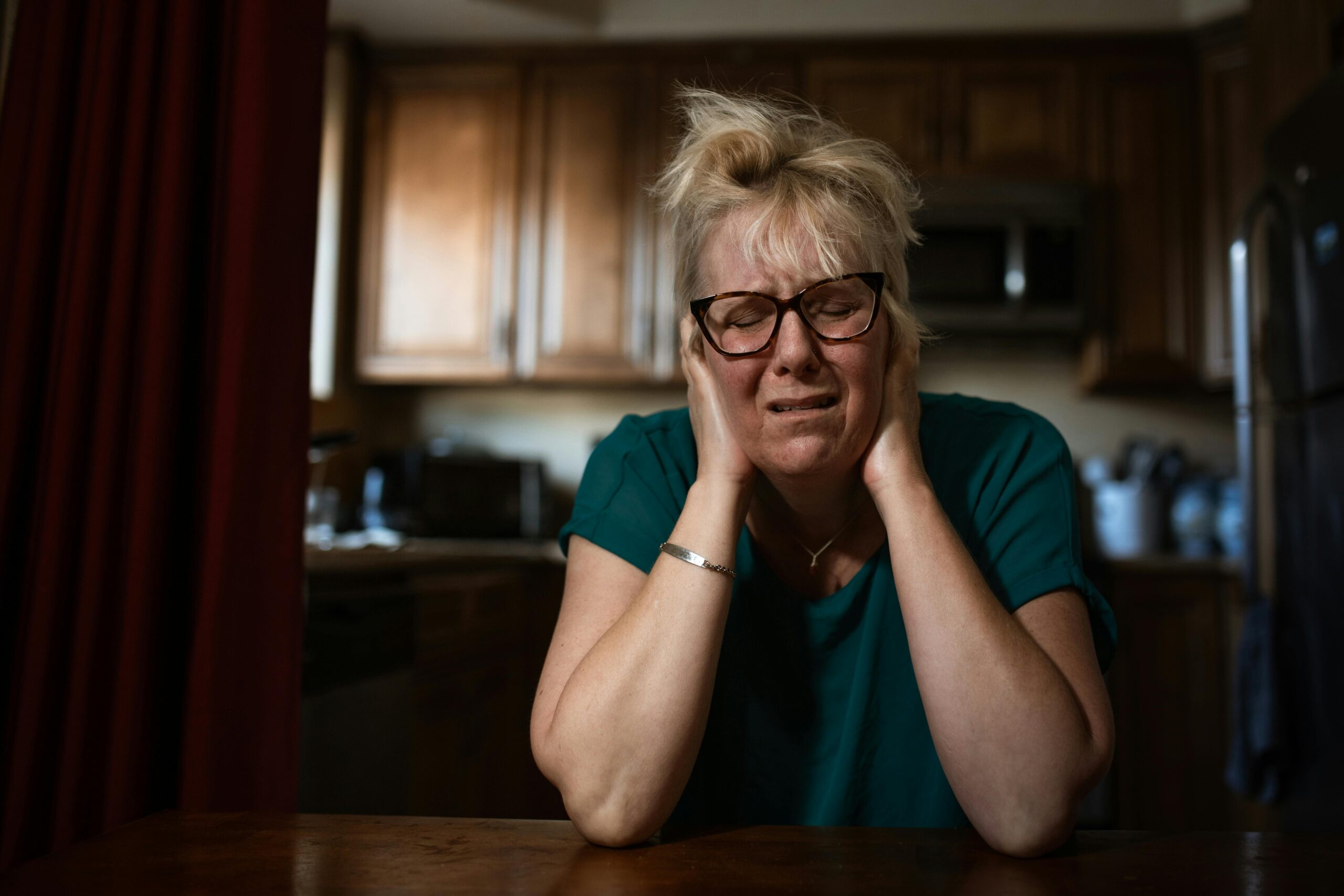
Post-Traumatic Stress Disorder (PTSD) is a mental health condition that develops after experiencing or witnessing a traumatic event. While many people recognize PTSD as a response to trauma, few fully understand its long-term effects. Untreated PTSD can persist for years, impacting mental, emotional, and physical health. Understanding these long-term consequences is crucial for early intervention, proper management, and recovery.
What is PTSD?
PTSD occurs when the brain continues to perceive danger long after the traumatic event has passed. This can lead to recurring nightmares, intrusive thoughts, heightened anxiety, and emotional numbness. While some individuals recover within a few months, others experience persistent symptoms that disrupt daily life, relationships, and overall well-being.
Common Long-Term Mental Health Effects
1. Chronic Anxiety and Depression
Those living with long-term PTSD often experience chronic anxiety. Constant worry, panic attacks, and heightened fear responses are common. Over time, prolonged anxiety can contribute to depression, characterized by persistent sadness, loss of interest in activities, and feelings of hopelessness. Individuals may also experience irritability or difficulty concentrating.
2. Emotional Numbness and Isolation
PTSD can lead to emotional blunting, making it difficult to feel joy or connect with others. Over time, this may cause social withdrawal, strained relationships, and decreased support systems. Emotional isolation can worsen symptoms, making it harder to recover without professional help.
3. Sleep Disturbances
Nightmares, insomnia, and restless sleep are prevalent among people with PTSD. Chronic sleep disruption affects emotional regulation, memory, and cognitive function. Over time, it may also increase the risk of cardiovascular issues and reduced immune response. Addressing sleep problems is essential for long-term recovery and overall well-being.
4. Substance Abuse and Coping Mechanisms
Some individuals use alcohol or drugs as a way to cope with PTSD symptoms. Over time, this can develop into substance use disorders, complicating treatment and recovery. Recognizing unhealthy coping strategies early and seeking therapy can prevent further complications.
5. Flashbacks and Hypervigilance
Many people with chronic PTSD experience flashbacks that make them relive the trauma. Hypervigilance, or heightened awareness of potential threats, can also persist, making it difficult to relax or feel safe even in secure environments.
Long-Term Physical Health Effects
PTSD does not only affect mental health—it can also have significant physical consequences:
- Cardiovascular problems: Chronic stress increases heart rate and blood pressure, elevating the risk of heart disease.
- Immune system dysregulation: Long-term stress can weaken the immune system, leading to frequent illnesses.
- Chronic pain: Research shows higher rates of headaches, fibromyalgia, and other pain syndromes among individuals with persistent PTSD.
- Digestive issues: Stress-induced gastrointestinal problems like irritable bowel syndrome (IBS) are common.
Impact on Daily Life
Long-term PTSD can affect various areas of life, including:
- Work performance: Concentration difficulties, fatigue, and irritability may reduce productivity and job satisfaction.
- Relationships: Emotional withdrawal, anger, and trust issues may strain family and social connections.
- Quality of life: Persistent symptoms can limit participation in hobbies, social activities, and overall enjoyment of life.
Recognizing the Signs of Long-Term PTSD
Early recognition helps prevent prolonged complications. Key indicators include:
- Frequent flashbacks or intrusive memories
- Avoidance of trauma-related places or people
- Difficulty managing emotions and anger
- Persistent hypervigilance or startle response
- Sleep disturbances and nightmares
If these symptoms last for months or years, consulting a healthcare professional is strongly advised.
Treatment Options for PTSD
1. Psychotherapy
Therapy is a primary treatment for long-term PTSD. Options include:
- Cognitive Behavioral Therapy (CBT) to help reframe negative thought patterns
- Exposure therapy to gradually face trauma-related memories safely
- Eye Movement Desensitization and Reprocessing (EMDR) to process traumatic experiences effectively
2. Medications
Certain medications can ease PTSD symptoms:
- Antidepressants such as SSRIs and SNRIs for depression and anxiety
- Prazosin to reduce nightmares and improve sleep quality
3. Lifestyle and Coping Strategies
Lifestyle changes are crucial for managing PTSD:
- Practicing mindfulness and meditation to reduce stress
- Engaging in regular exercise to improve mood
- Maintaining a structured daily routine
- Joining support groups for emotional connection and guidance
Preventing the Long-Term Effects of PTSD
Early intervention is key to minimizing long-term damage. Strategies include:
- Seeking professional help soon after trauma
- Committing to therapy consistently
- Maintaining strong social support networks
- Using healthy coping mechanisms instead of avoidance or substance use
ExpertMinds Support
At ExpertMinds, Australia’s trusted online psychiatry and psychology platform, we provide tailored care for individuals experiencing PTSD. From initial assessments to ongoing therapy and medication management, our specialists ensure evidence-based, confidential support.
Our experts understand the complexity of long-term PTSD effects and work with each individual to improve mental health, rebuild relationships, and enhance overall life quality.
Additional Tips for Managing PTSD
- Keep a journal of triggers and symptoms to identify patterns
- Practice relaxation techniques such as yoga or deep breathing
- Avoid alcohol or drugs as coping mechanisms
- Maintain a balanced diet to support physical and mental health
FAQs About PTSD Long Term Effects
Q1: Can PTSD last a lifetime?
A1: While some individuals recover within months, others may experience chronic PTSD symptoms lasting years. Early intervention improves outcomes.
Q2: Can PTSD affect physical health?
A2: Yes. PTSD increases the risk of cardiovascular issues, chronic pain, immune system problems, and gastrointestinal disorders.
Q3: Are children affected by PTSD long-term effects?
A3: Children can experience PTSD after trauma. Early support, therapy, and parental guidance can reduce long-term consequences.
Q4: What are the most effective treatments for long-term PTSD?
A4: Evidence-based therapy, medications, lifestyle adjustments, and ongoing support are all effective. Personalized treatment plans work best.
Q5: How can family and friends support someone with PTSD?
A5: Providing understanding, patience, and encouragement to seek professional help, while maintaining open communication, can greatly aid recovery.
Conclusion
PTSD is more than a short-term reaction to trauma; it can have long-lasting effects on mental, emotional, and physical health. Recognizing PTSD long term effects, seeking professional care, and adopting healthy coping strategies are essential for recovery.
With support from ExpertMinds, individuals can access expert mental health care, develop personalized treatment plans, and regain control over their lives. Understanding triggers, practicing self-care, and committing to therapy make living with PTSD manageable and sustainable