

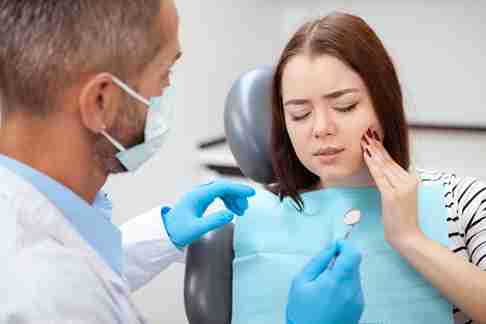
Orthodontic treatment is designed to be safe, gradual and predictable, yet unexpected issues can still occur. A sudden sharp wire, a loose bracket or significant swelling can be worrying, particularly if it happens outside regular clinic hours. Knowing what qualifies as an orthodontic emergency and how to respond calmly can make a significant difference to both comfort and treatment outcomes.Not every issue requires immediate professional care, but some situations do demand prompt attention to prevent pain, infection or delays in progress. This guide explains what counts as an orthodontic emergency, what can be managed at home and when professional help is essential, helping patients feel prepared rather than panicked.
What Is an Orthodontic Emergency?
An orthodontic emergency refers to any situation involving braces, aligners or appliances that causes significant pain, injury, swelling or risk of further damage. These issues go beyond normal adjustment discomfort and can interfere with eating, speaking or oral health if left unaddressed.Orthodontic emergencies differ from general dental emergencies in that they usually relate to appliances rather than teeth or gums alone. However, they still require careful attention because unresolved problems can prolong treatment or lead to complications.
Prompt response helps:
- Reduce pain and irritation
- Prevent soft tissue injury
- Protect treatment progress
- Avoid unnecessary complications
Common Orthodontic Emergencies Explained
1. Broken or Loose Brackets
Brackets can become loose if hard or sticky foods are eaten, or if accidental trauma occurs. A loose bracket may slide along the wire, rub against the cheek or stop applying correct pressure.
Why it matters:
- Tooth movement may slow or stop
- Soft tissues can become irritated
- The appliance may detach completely
Temporary wax can reduce discomfort, but professional repair is required.
2. Protruding or Poking Wires
As teeth move, archwires may shift and begin to poke the cheeks, lips or gums. This is one of the most common orthodontic emergencies and can become painful quickly.
Signs include:
- Sharp irritation when speaking or eating
- Development of mouth ulcers
- Localised gum soreness
Orthodontic wax can offer short term relief, but ongoing discomfort should be reviewed by an orthodontist Aylesbury to prevent injury.
3. Lost or Broken Aligners or Retainers
Clear aligners and retainers are removable, which makes them convenient but also easy to misplace or damage.
Potential risks:
- Teeth shifting backwards
- Treatment delays
- Increased discomfort
Patients are often advised to revert to the previous aligner temporarily and seek guidance promptly. In some cases, advice from an emergency dentist in Aylesbury may be helpful if pain or swelling accompanies the issue.
4. Severe Pain or Swelling
Mild soreness after adjustments is normal, but intense pain, swelling or signs of infection are not.
Warning signs include:
- Throbbing pain that does not ease
- Facial swelling
- Fever or discharge
These symptoms should always be treated as urgent and assessed professionally.
5. Appliance Damage from Injury
Sports injuries or accidents can damage braces or dislodge appliances.
Concerns include:
- Soft tissue cuts
- Broken wires or bands
- Jaw discomfort
Mouthguards help reduce risk, but immediate assessment is advised if trauma occurs.

What Is Not an Orthodontic Emergency
Understanding what does not require urgent care can prevent unnecessary stress.
Common non emergencies include:
- Mild soreness after brace adjustments
- Temporary pressure from new aligners
- Minor irritation relieved with wax
These issues typically settle within a few days and can be managed with routine care and patience.
How to Respond Fast at Home
1. Immediate Self Care Steps
For many orthodontic issues, safe temporary measures can reduce discomfort until professional care is available.
Helpful actions include:
- Applying orthodontic wax to sharp areas
- Rinsing with warm saltwater
- Using over the counter pain relief if appropriate
- Avoiding foods that could worsen damage
2. What Not to Do
Some actions can cause more harm than good.
Avoid:
- Cutting wires unless specifically instructed
- Ignoring swelling or persistent pain
- Using household glue on appliances
If unsure, professional advice is always safer than self repair.
When to Contact an Orthodontist or Dentist
Knowing when to seek help is essential for protecting treatment progress.
Contact a professional if:
- Pain is severe or worsening
- Soft tissue is being injured
- An appliance has broken completely
- Swelling or infection signs appear
In urgent situations, access to an emergency dentist in Aylesbury provides reassurance and timely care, while ongoing appliance issues are best managed by an orthodontist Aylesbury who understands the treatment plan.
Preventing Orthodontic Emergencies
Many orthodontic emergencies are preventable with good habits and awareness.
Daily Care Habits
- Brush carefully around brackets and wires
- Clean aligners and retainers properly
- Attend scheduled appointments
Food Choices to Avoid
- Hard sweets and nuts
- Sticky toffees or chewing gum
- Crunchy foods eaten whole
Protective Measures
- Wear mouthguards during sports
- Store aligners in a case, not napkins
- Avoid chewing pens or fingernails
Orthodontic Emergency Kit: What to Keep Ready
A small emergency kit can make unexpected issues far easier to manage.
Useful items include:
- Orthodontic wax
- Interdental brushes
- A small mirror
- Aligner or retainer case
- Pain relief gel
Keeping these items at home, work or school helps patients respond calmly and confidently.

Why Acting Quickly Protects Your Treatment
Ignoring orthodontic emergencies can lead to:
- Extended treatment duration
- Increased discomfort
- Risk of infection or relapse
- Prevents damage to appliances
- Reduces soft tissue injury
- Maintains planned tooth movement
Early action keeps treatment on track and prevents small problems from becoming major setbacks. Even temporary solutions, when combined with timely professional advice, protect long term results.
Conclusion
Orthodontic emergencies can feel stressful, but most situations are manageable with the right knowledge and a calm response. Understanding what counts as an emergency, knowing how to act quickly and recognising when professional care is needed all contribute to a smoother treatment journey.Preparedness, good habits and prompt attention help protect both comfort and progress. With the right support, even unexpected orthodontic issues can be resolved efficiently and safely. Choosing trusted orthodontic care in Aylesbury ensures reassurance, expert guidance and confidence throughout every stage of treatment.