
Packing products safely for transport matters a great deal for any business that ships goods. Boxes must stay closed tightly so items inside reach customers without damage. Small and medium workshops often handle this task many times each day. Doing it by hand takes time and leads to uneven results. Machines offer a way to speed up this work while keeping quality high.
The right equipment changes how quickly orders go out the door. It also reduces tiredness among workers who would otherwise seal boxes manually. Many options exist in the market today, each suited for different needs. Understanding what to look for helps shop owners make wise choices. This guide covers the main points to think about when picking a carton sealer machine for your workshop.
Understanding Your Workshop Needs
Every workshop runs differently, so your first step involves looking closely at your own space and daily tasks. What works for one shop may not suit another at all. Knowing your numbers and limits points you toward the right choice.
How Many Boxes Do You Seal Each Day
The number of boxes leaving your shop guides what kind of machine you need. A workshop sending out fifty boxes daily has different needs than one sending five hundred. Small volumes might only need simple tools, while higher numbers demand faster options. Matching the machine to your output saves money and space.
Space Available on Your Floor
Workshops often have limited room for extra equipment. Some machines take up more floor space than others. Measuring your area before shopping prevents buying something too large. Compact models work well for tighter spaces without losing function.
Main Types of Sealing Equipment
The market offers several main categories of sealing tools today. Each type serves a different purpose and fits different workshop sizes. Knowing these categories helps narrow down your search quickly.
Hand-Held Tape Dispensers
These simple tools put tape across box tops with a single smooth motion. Workers pull the tool along the box seam, and it cuts the tape automatically. This option costs less and stores in a drawer when not used. It works well for very small workshops with low daily numbers.
Semi-Automatic Tabletop Models
These machines sit on a work surface and do most of the work for you. You fold the box flaps and push the box through the machine. It applies tape to both top and bottom at once. This type speeds up work greatly without taking too much space.
Key Features to Evaluate
Beyond just the type of machine, certain features make a big difference in daily use. Paying attention to these details ensures you get a tool that truly helps your team.
Adjustability for Different Box Sizes
Workshops often handle boxes of many shapes and sizes. A good carton sealing machine adjusts quickly to fit different heights and widths. This flexibility means one machine handles all your packing needs. Look for models with easy-to-use adjustment controls.
Durability for Daily Use
Machines that run all day need a strong build quality. Metal frames last longer than plastic ones in busy workshops. Good wheels and cutting blades also matter for smooth operation. A sturdy machine saves money on repairs and replacements later.
| Machine Type | Best For | Key Advantage |
| Hand-Held | Very low daily volume | Stores away easily when not needed |
| Semi-Automatic | Medium daily volume | Seals top and bottom in one pass |
| Fully Automatic | High daily volume | Needs no worker to feed boxes |
| Random Size | Mixed box sizes | Adjusts itself to each box |
Automatic Versus Manual Operation
The choice between automatic and manual operation affects both cost and daily workflow. Think about your team size and how much you want machines to handle.
Fully Automatic Machines
These advanced units take boxes as they come from packing stations. They fold flaps, apply tape, and send boxes down the line without any help. This choice suits workshops with steady high volume and consistent box sizes. It frees workers for other tasks around the workshop.
Manual and Semi-Automatic Options
Manual machines need a person to move boxes through the taping process. Semi-automatic ones still need someone to present the box, but handle the taping. These choices give good speed increases while costing less than full automation.
Tape Types and Compatibility
The tape you use matters just as much as the machine itself. Different tapes work better for different products and shipping methods.
Standard Packing Tape
Most machines work with common tape rolls found in any supply shop. This tape comes in various widths and strengths for different box weights. Sticking with standard tape makes finding refills easy anywhere.
Water-Activated Tape
Some machines use tape that needs water to stick firmly to boxes. This tape creates a strong seal that shows if someone tampers with the box. It also bonds well with cardboard surfaces for a permanent closure. Choosing this option requires a machine built for this tape type.
Maintenance and Care
Like any tool that runs daily, sealing machines need regular care to perform well. Simple habits keep them running smoothly for years.
Cleaning Moving Parts
Tape residue builds up on wheels and cutters over time. Regular cleaning keeps the machine working smoothly without jams. A quick wipe at the end of each day prevents the most common problems.
Replacing Worn Parts
Cutting blades grow dull after many boxes, and wheels may wear down. Keeping spare parts on hand means quick fixes when something fails. This practice avoids long stops in your packing line.
Making the Right Choice
With all this information in mind, you can now match options to your real needs. A clear picture of your workshop leads to a wise purchase.
Matching Machine to Worker Skill
Some machines require training to operate well, while others work right out of the box. Think about who will run the equipment day after day. Simple controls reduce mistakes and speed up training for new staff.
Thinking About Future Growth
Your workshop may pack more boxes next year than it does today. Choosing a machine with some extra capacity prepares you for growth. This forward thinking prevents buying another machine too soon.
Common Mistakes to Avoid
Learning from others’ mistakes helps you skip the trouble they faced. These points come up often when workshops buy their first machine.
Buying Too Many Machines
Getting a huge machine for a small workshop wastes money and space. It also may not work well with your current box sizes. Start with what fits your present needs.
Ignoring Tape Quality
Poor tape causes jams and bad seals even in good machines. Using quality tape designed for your equipment prevents these headaches. It also keeps boxes closed during shipping.
Installation and Setup
Getting the machine set up right from the start makes daily work much smoother. Take time with this step to avoid problems later.
Finding the Right Spot
Place the machine where boxes flow naturally from packing to sealing. This spot should have good light and room to work around it. A logical layout speeds up the whole packing process.
Testing Before Full Use
Run some test boxes through the machine before starting daily work. This test shows if adjustments are needed for your box sizes. It also lets workers learn the machine with less pressure.
Conclusion
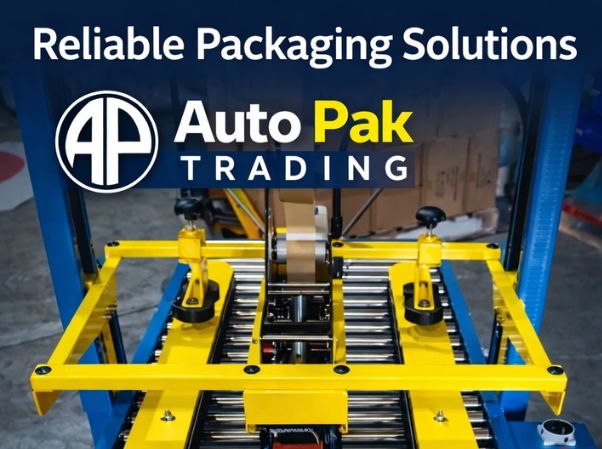
Selecting the right sealing tool for your workshop requires thought about your daily work. Consider how many boxes you pack, what sizes you use, and who will run the machine. Balance your current needs with room to grow over time. A good match makes packing faster and reduces worker strain. Companies like Auto Pak Trading offer various options that fit small and medium workshops well. The right choice brings smooth packing days and happy customers receiving intact boxes.
Frequently Asked Questions
Q1. How do I know what size machine fits my boxes?
Ans. Measure your tallest and widest boxes before shopping. Look for machine specifications that cover your full range of box dimensions comfortably without going beyond limits.
Q2. Can one person operate a semi-automatic machine easily?
Ans. Yes, these machines need just one worker to fold flaps and push boxes through the taping station for quick sealing without requiring extra help.
Q3. What maintenance does a carton sealer machineneed regularly?
Ans. Wipe tape dust from wheels each day and check blades for sharpness weekly to keep the machine running without jams or tape tearing.
Q4. Will the same machine work for different box shapes?
Ans. Many models adjust to various heights and widths, letting you seal multiple box styles with one machine through simple changes to settings.